If you live behind the gates on Spanish Oaks Club Boulevard, you've probably asked some version of the same question every time you drive out to the Galleria for groceries: when does this construction site actually resolve into something?
The honest answer depends on which part of it you mean. The buildings, the shops, the Inn and Spa that have been promised since land assemblage began back in 1998, are still years out. But the part that changes your daily drive, the roads and the intersection geometry, has a real date attached to it. Developer Jack Creveling told the Bee Cave City Council in February that while building construction would take time, the roads themselves would be substantially complete by December or January. That's the milestone worth tracking, and it's a different one than most residents have been watching for.
The Road Is The 2026 Deliverable, Not The Storefronts
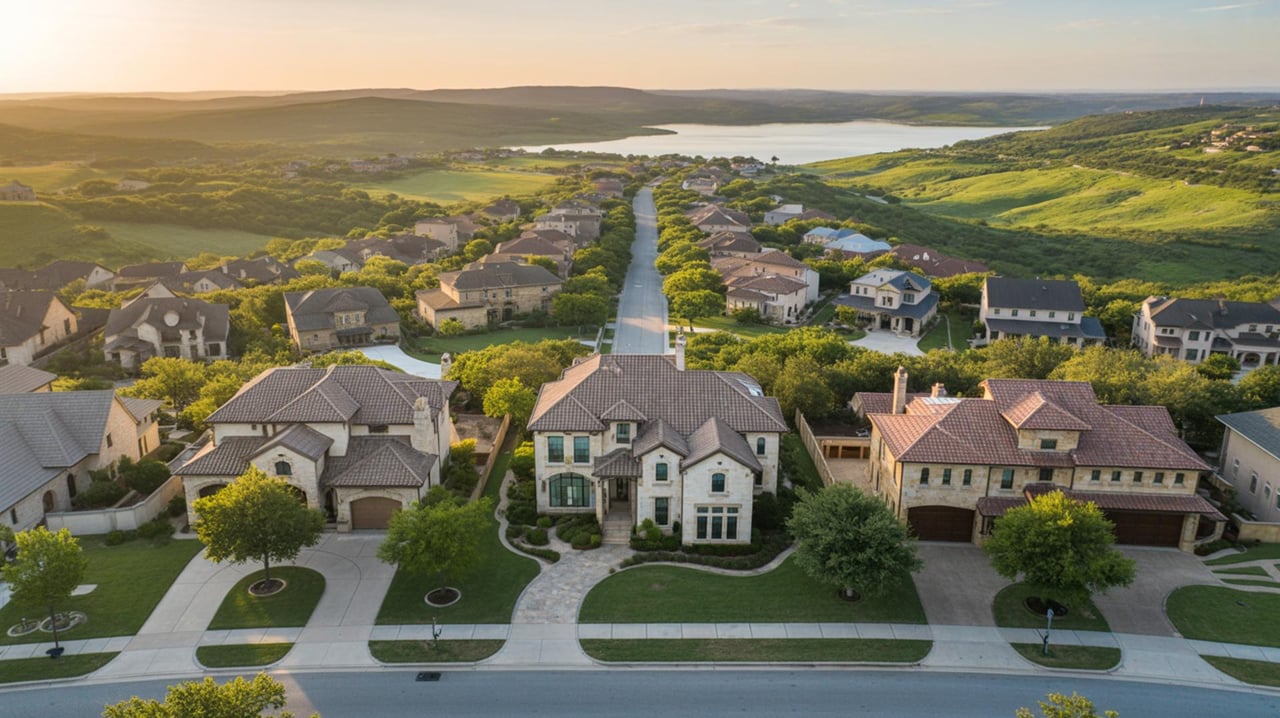
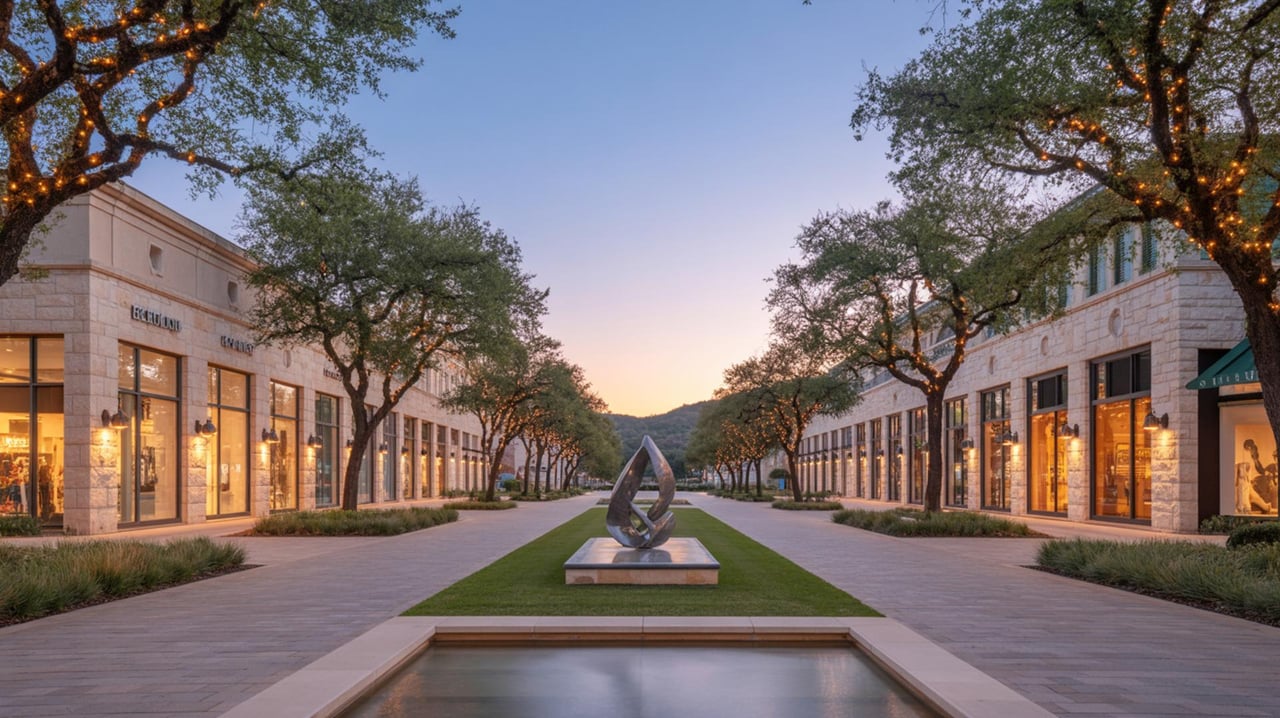
The Village at Spanish Oaks is the final phase of the roughly 1,200-acre Spanish Oaks master plan, an 80-acre parcel wedged between Highway 71 and Little Barton Creek that's supposed to eventually hold boutique retail, restaurants, Class A office space, senior living, a hotel, and the long-promised Inn and Spa. None of that opens soon. The project's own planning documents describe a seven-to-ten-year buildout once construction starts in earnest, and as of this fall the site is still in the infrastructure and approvals stage rather than the leasing stage.
What's actually on a near-term clock is the roadwork. In February, the Bee Cave City Council approved amendments that eliminated a planned road, Streams Edge Lane, in favor of a roundabout with left-hand turn lanes. Mayor Kara King called the revised roadway plan an improvement over the prior version at the February 24 meeting, and the same set of approvals is what Creveling attached his December-or-January completion estimate to. If you've been reading the orange cones and lane shifts near the site as a sign the whole project is stalled, the more accurate read is that the traffic pattern is the piece finishing first, well ahead of anything you'd actually shop or eat at.
The Density Didn't Grow. It Moved.
Here's the detail that's easy to miss if you only skim headlines about the project getting bigger. In that same February vote, the council raised the number of permitted multifamily units on the site from 250 to 310. Read alone, that sounds like the development just got denser than what was promised. But the city's own documents note that the maximum building area for the 18-acre piece covered by this amendment stayed fixed at 1.96 million square feet. The unit count moved. The building envelope didn't.
What changed is the mix inside that fixed envelope: more multifamily units, and adjustments to how many senior living and hotel units are permitted alongside them. For a resident trying to gauge how much traffic and construction activity this ultimately adds to the corridor, that distinction matters more than the raw unit number. The site isn't expanding past what was already zoned. It's being reallocated within it, which is a fairly normal function of a multi-year entitlement process, not a sign the project quietly got larger than the version residents were shown years ago.
The Parcel Letters Tell You What's Actually Moving
The Village is broken into 17 parcels, lettered A through Q, and they're not all progressing at the same pace, which matters if you're trying to guess what finishes when.
| Milestone | Date | What it means |
|---|---|---|
| Planning and Zoning Commission forwards the amendment | December 16, 2025 | Homestead residents raise traffic concerns over their single access point |
| City Council approves roundabout, turn lanes, and revised unit counts | February 24, 2026 | Roadwork on a December/January completion track |
| Council approves architectural pre-design for Parcel E | June 23, 2026 | Multifamily building with dog park, fitness center, plunge pool, and swim-up bar clears its next design step |
Parcel E, the northeast corner of the site, is the multifamily building that got its pre-design package approved in June. It's slated as a five-story residential building with a parking structure attached, and the city flagged a real concern in that approval: staff noted the garage's upper levels could stay visible from Highway 71 "unscreened indefinitely" if the parcel next to it doesn't get developed too. Senior planner Sean Lapano told the commission the expectation going forward is that any exposed facade gets screened or receives real architectural detailing rather than sitting as bare concrete facing the highway.
Parcel D, right next to that garage, is the office component, and it has no active development plans yet. Creveling has said that piece is market-driven rather than scheduled, and that he has confidence something "attractive" will eventually fill it. In practical terms, that means the apartment building is the part of the Village actually moving through city review right now, while the office space that was part of the original vision is still waiting on demand to justify it.
What The Homestead's Objection Tells Everyone Else On 71
The most specific pushback on the project hasn't come from inside Spanish Oaks. It's come from The Homestead, a nearby equestrian community whose only way in or out is Great Divide Drive, feeding onto Highway 71 near the same RR 620 interchange the Village sits close to. According to CBS Austin, resident Julia Johnson said last December she found it hard to picture "driving through a mall each time I want to leave or return to my home," and another neighbor, William Ball, said he supported the project's ambition while still wanting the city and developer to slow down and address specific traffic and design concerns before finalizing changes.
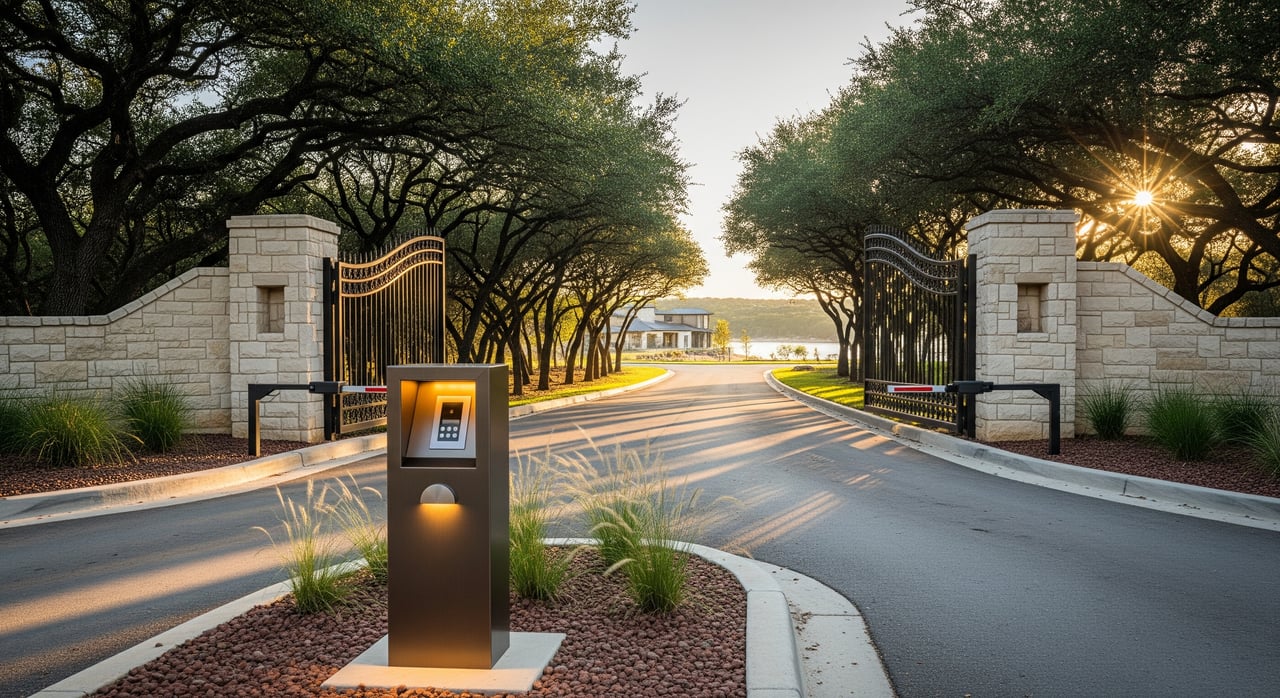
Spanish Oaks doesn't share The Homestead's single-access problem, since the community's own two staffed gatehouses sit on Spanish Oaks Club Boulevard rather than feeding directly onto the Village site. But every resident who leaves the gates for the Galleria, for Bee Cave restaurants, or for the airport is using the same stretch of Highway 71 that this project is actively reshaping. The roundabout, the turn lanes, and the eventual retail traffic all funnel through the same corridor Spanish Oaks households already drive daily, since the community itself has no on-site retail and never has.
What Actually Changes Once The Road Work Wraps
If Creveling's timeline holds, the roundabout and turn-lane work should be substantially finished around the turn of the year, which would settle the traffic pattern well before any of the buildings are ready for tenants. The apartment building on Parcel E still has to clear a full site plan and replat process before ground actually breaks, since the city's ordinance requires that step for any construction on the property. The office parcel next door remains unscheduled. The Inn and Spa, the boutique retail, and the restaurants that were part of the original 2018 vision haven't moved into an active approvals phase in any of the coverage this year.
For now, the honest way to read the site is in two separate timelines. The infrastructure, the part that determines whether your commute gets easier or stays annoying, is close. The commercial version of the Village, the one with a restaurant you could actually walk a dog past, is still measured in years rather than months.
If you're weighing what a home in Spanish Oaks or a nearby Bee Cave enclave is worth with a project like this maturing next door, that's exactly the kind of local detail that doesn't show up in a listing sheet. Steve Dedear tracks these entitlement changes as they happen and can walk you through what they mean for a specific address, not just the neighborhood in general.