Thinking about a vacation home on Lake Travis? It is easy to picture the views, the weekends on the water, and the Hill Country setting. But owning here is not just about finding a beautiful house. You also need to understand lake conditions, carrying costs, and local rental rules before you buy. This guide will help you focus on the questions that matter most so you can make a smart, confident decision. Let’s dive in.
Why Lake Travis ownership is different
A vacation home on Lake Travis comes with a lifestyle that draws many buyers to the area. The City of Lakeway describes itself as a resort community on the south shore of Lake Travis, with marinas, golf courses, trails, and other amenities. That background helps explain why many second-home buyers are shopping for a lifestyle property, not just a place to sleep.
What makes ownership here unique is that the lake itself plays a major role in day-to-day use. Lake Travis is part of the LCRA Highland Lakes system, and the LCRA water management plan governs operations during drought and flood conditions. LCRA also notes that Lake Travis is considered full at 681 feet above mean sea level.
For you as a buyer, that means the property experience can change with the water. Shoreline condition, access, and dock usability may matter just as much as the home’s design, finishes, or view.
Compare property types carefully
Most Lake Travis vacation-home searches fall into a few common categories. You may be deciding between a direct-waterfront home, a hill-country home with lake views, or a condo or townhome with less exterior upkeep.
Each option comes with a different ownership experience. Waterfront homes often bring more questions about shoreline access, dock setup, and maintenance. Condos and townhomes may offer convenience and less exterior work, but they may also involve tradeoffs in privacy, storage, or outdoor space.
Waterfront homes
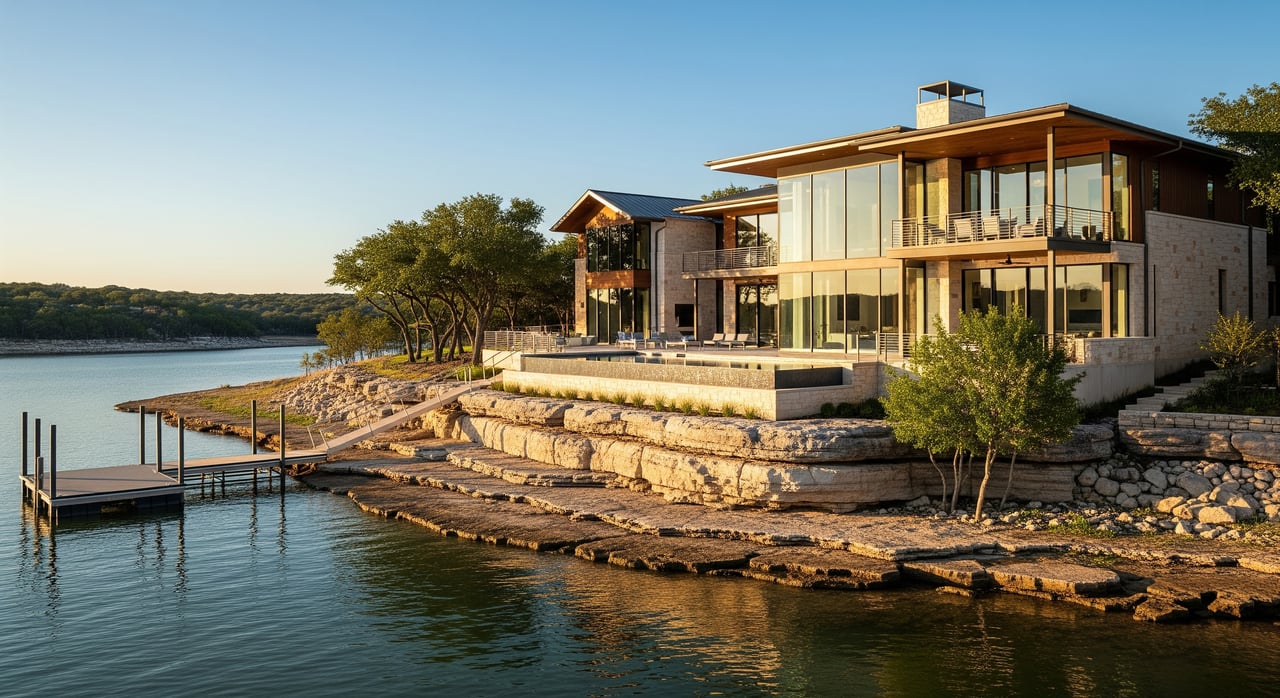
A direct-waterfront home can offer the most immersive lake lifestyle. You may have easier access to boating and a stronger connection to the shoreline, but you also need to evaluate how the lot functions when lake levels change.
If a dock is part of the appeal, review LCRA dock guidance early. The LCRA dock and marina resources can help you understand the rules and approvals that may affect waterfront ownership.
View homes in lake communities
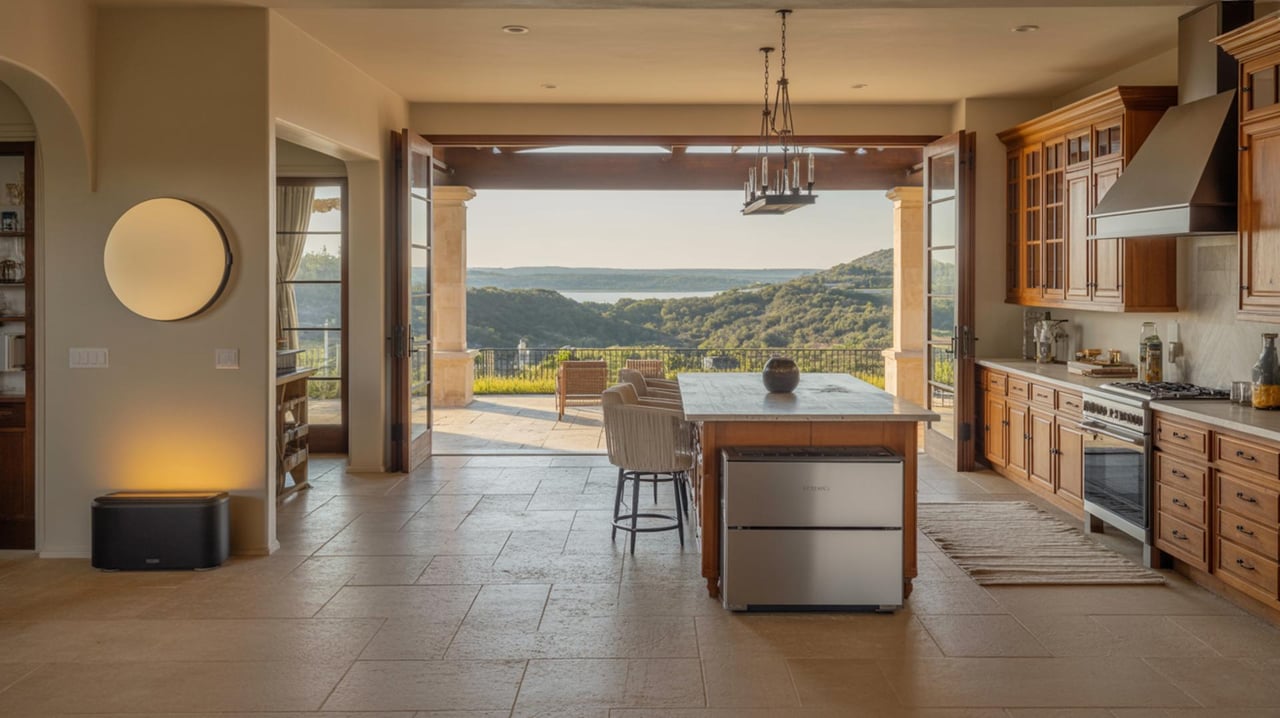
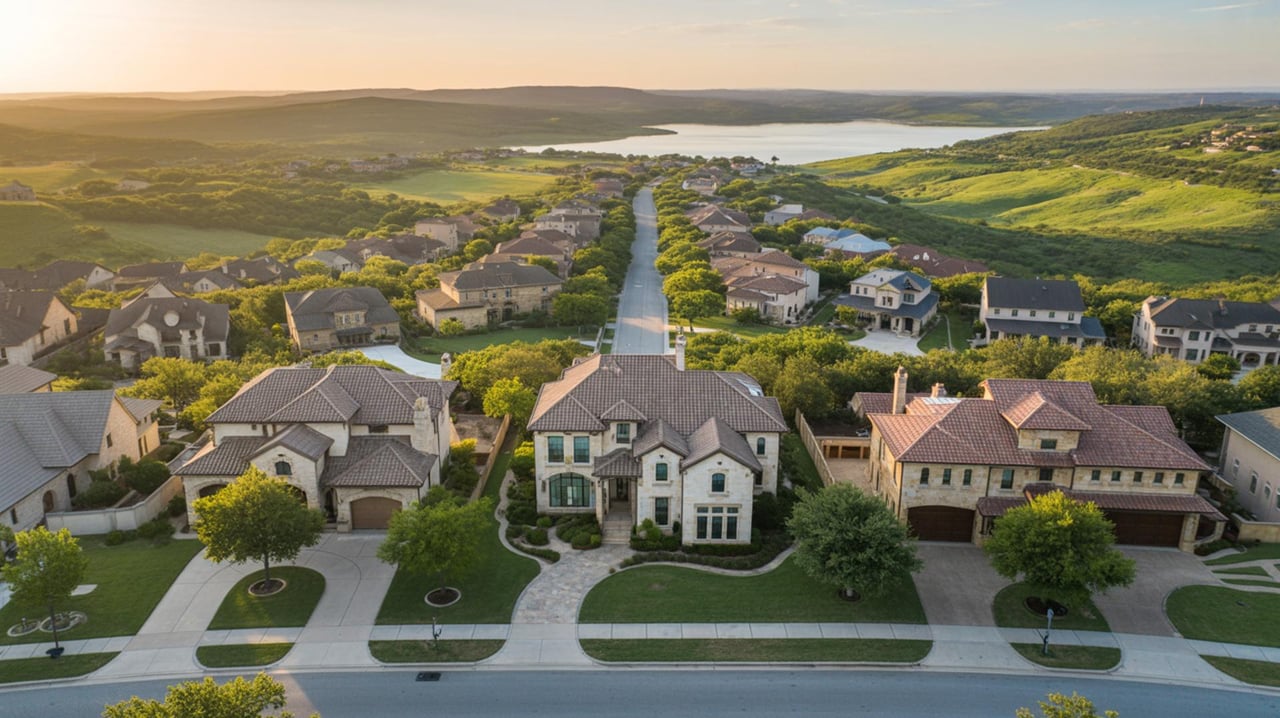
A home with lake views may offer much of the setting buyers want without some of the direct shoreline responsibilities. This option can work well if your goal is a relaxing getaway and not necessarily immediate water access from your backyard.
For many buyers, this creates a simpler ownership model. You still get the Lake Travis atmosphere, but with fewer moving parts tied to the shoreline.
Condos and townhomes
If you want a lower-maintenance second home, a condo or townhome may be worth a close look. These properties often appeal to buyers who want convenience and easier lock-and-leave ownership.
That said, you should still verify the rules that matter to your plans. Building policies, HOA requirements, and rental restrictions can all affect how you use the property.
Focus on carrying costs, not just price
The purchase price is only part of the financial picture. For many vacation-home buyers, the real surprise is the ongoing carrying cost.
In Travis County, property taxes can be a meaningful expense because the system is local and layered. According to Travis Central Appraisal District, property taxes support multiple local entities, and tax bills are due by January 31. The exact amount depends on the specific taxing jurisdictions tied to the property.
A second home also usually does not qualify for the Texas residence homestead exemption. TCAD explains that the residence homestead applies to your principal residence, and you may not claim another residence homestead.
Budget items to plan for
Before you buy, build a realistic annual budget that includes more than mortgage and taxes. Consider:
- Property taxes
- Insurance
- Flood insurance if needed
- HOA or condo dues
- Landscaping and exterior care
- HVAC and routine maintenance
- Dock maintenance or contractor support for waterfront homes
If the home will sit empty part of the time, convenience costs can matter too. Part-time owners often benefit from reliable service vendors and a clear maintenance plan.
Understand flood and insurance questions early
Near the lake, insurance deserves extra attention. FEMA explains that flood insurance is a separate policy and may cover the structure, contents, or both.
If a home is in a high-risk flood area and you are using a government-backed mortgage, flood insurance is required. FEMA also states that its flood maps are the official source for checking flood risk, and NFIP coverage typically has a 30-day waiting period before it takes effect.
That timeline matters. If you wait until the last minute to sort out flood coverage, it can complicate your closing or your move-in plans.
Docks require more than a quick glance
If you are buying waterfront, the dock deserves close review. It is not just an accessory. It can be a major part of how you use the property.
LCRA notes that floating docks are vulnerable during floods and lake-level swings. The same guidance says a qualified dock contractor can be especially helpful for part-time residents.
LCRA also sets safety standards for Lake Travis docks, including a maximum 100-foot distance from shore. On top of that, dock owners must comply with any more restrictive local jurisdiction or HOA rules.
Questions to ask about a dock
Before you move forward on a waterfront property, ask:
- Is the dock compliant with current rules?
- How usable is it at different lake levels?
- Has it been maintained consistently?
- Are there local or HOA restrictions beyond LCRA requirements?
- Who will monitor or service it when you are away?
These questions can save you from buying a property that looks perfect in photos but functions very differently in real life.
Decide how you plan to use the home
Before closing, get clear on your goals. Will this be a private family retreat, a part-time rental, or a mix of both?
That answer affects more than your calendar. It can shape your ownership structure, insurance needs, financing approach, and tax reporting.
The Texas Comptroller property tax exemption resources are a useful starting point, but buyers should also speak with an attorney and CPA before closing. The right ownership setup depends on how you plan to use the property and how you want title, liability, and succession planning to work.
Key ownership questions
It helps to answer these questions before you write an offer:
- Will the home be for personal use only?
- Do you plan to rent it part time?
- Would the purchase still make sense if rental use is not allowed?
- How do you want ownership and succession handled over time?
Clear answers now can prevent expensive changes later.
Know the tax basics for mixed use
If you may rent the home at any point, tax treatment becomes more nuanced. The IRS Publication 527 guidance explains how a dwelling used for both personal and rental purposes may be treated for tax purposes.
According to the IRS, a dwelling is treated as a home when personal use exceeds the greater of 14 days or 10% of the days it is rented at fair rental value. The IRS also notes that rental periods of fewer than 15 days are generally not treated as rental activity.
The practical takeaway is simple. The amount of personal use can materially change the tax picture of your vacation home, so it is wise to discuss your plans with a qualified tax professional before closing.
Verify rental rules by exact address
Many buyers assume that if there is demand for short-term rentals, the property can be rented. On Lake Travis, that assumption can create problems.
Rental use is highly address-specific and depends on local rules, property type, and governing documents. In Lakeway, the city states that its short-term rental waiting list is for single-family residential properties only, while condominium owners are directed to contact Building & Development Services for next steps.
The city’s ordinance materials also show that short-term rental rules may include a permit cap, spacing limits, proof of insurance that identifies short-term rental use, HOA or POA acknowledgment, annual renewal, inspections, and non-transferability of permits. You can review more in the Lakeway short-term rental ordinance materials.
Nearby Austin also requires a short-term rental license and annual renewal to operate legally within city limits. The core lesson is that rental strategy should be verified at the property level, not assumed based on the broader market.
Make your offer with the full picture
The best Lake Travis vacation-home purchases usually happen when lifestyle goals and ownership realities line up. You want the home to fit how you plan to use it, what you want to spend each year, and what the local rules actually allow.
That means looking beyond finishes and views. Water levels, dock conditions, taxes, flood insurance, and rental restrictions all deserve attention before you commit.
When you buy with a clear plan, you are far more likely to enjoy the property the way you imagined from day one. If you are exploring vacation homes, waterfront properties, or lock-and-leave options around Lake Travis, Steve Dedear can help you evaluate the details that matter and find a property that fits your goals.
FAQs
What makes owning a vacation home on Lake Travis different from owning a typical second home?
- Lake Travis ownership is shaped by lake levels, shoreline access, dock usability, carrying costs, and local rental rules, not just the house itself.
What should buyers budget for when buying a Lake Travis vacation home?
- You should plan for property taxes, insurance, possible flood insurance, HOA dues, maintenance, landscaping, HVAC service, and dock-related costs for waterfront properties.
Do second homes on Lake Travis qualify for a Texas homestead exemption?
- In most cases, no. Travis Central Appraisal District states that a residence homestead applies to your principal residence, and you may not claim another residence homestead.
Can you use a Lake Travis vacation home as a short-term rental?
- Possibly, but it depends on the exact address, local jurisdiction, property type, and any HOA or condo rules. You should verify those rules before making an offer.
Why should buyers review dock rules before buying a Lake Travis waterfront home?
- Dock compliance, usability during changing lake levels, safety standards, and maintenance needs can all affect how practical and enjoyable a waterfront property will be.
When should buyers look into flood insurance for a Lake Travis property?
- Early in the process. FEMA says flood insurance is separate from standard homeowners insurance, and NFIP coverage typically has a 30-day waiting period before it takes effect.