Thinking about buying near Lake Travis but unsure how to read the market or when to make a move? With shoreline scarcity, changing lake levels, and rules for docks, this market plays by its own set of factors. You want a clear plan that protects your budget and helps you secure the right property. In this guide, you will learn how to interpret key metrics, compare micro-markets, time your search, and run a smart due diligence checklist. Let’s dive in.
How to read the market
Track these metrics first
- Active inventory and new listings
- Pending and closed sales
- Months of supply
- Median list price vs median sold price
- Median days on market
- List-to-sale price ratio
- Price per square foot for waterfront vs non-waterfront
These data points give you a quick read on leverage, pricing power, and how fast you need to move.
Months of supply explained
Months of supply shows how many months it would take to sell current inventory at the recent sales pace. Under 3 months often favors sellers, 3 to 6 months is more balanced, and over 6 months favors buyers. Lake Travis can shift by submarket, so compare months of supply for waterfront and non-waterfront areas side by side.
Days on market and pricing signals
Shorter days on market often show stronger demand for a segment. Watch the list-to-sale price ratio too. When desirable waterfront listings are scarce, ratios can push above 100 percent. In slower cycles, ratios ease and sellers offer concessions. Seasonal swings matter here, so look at a 12 to 24 month trend.
Waterfront premiums, defined
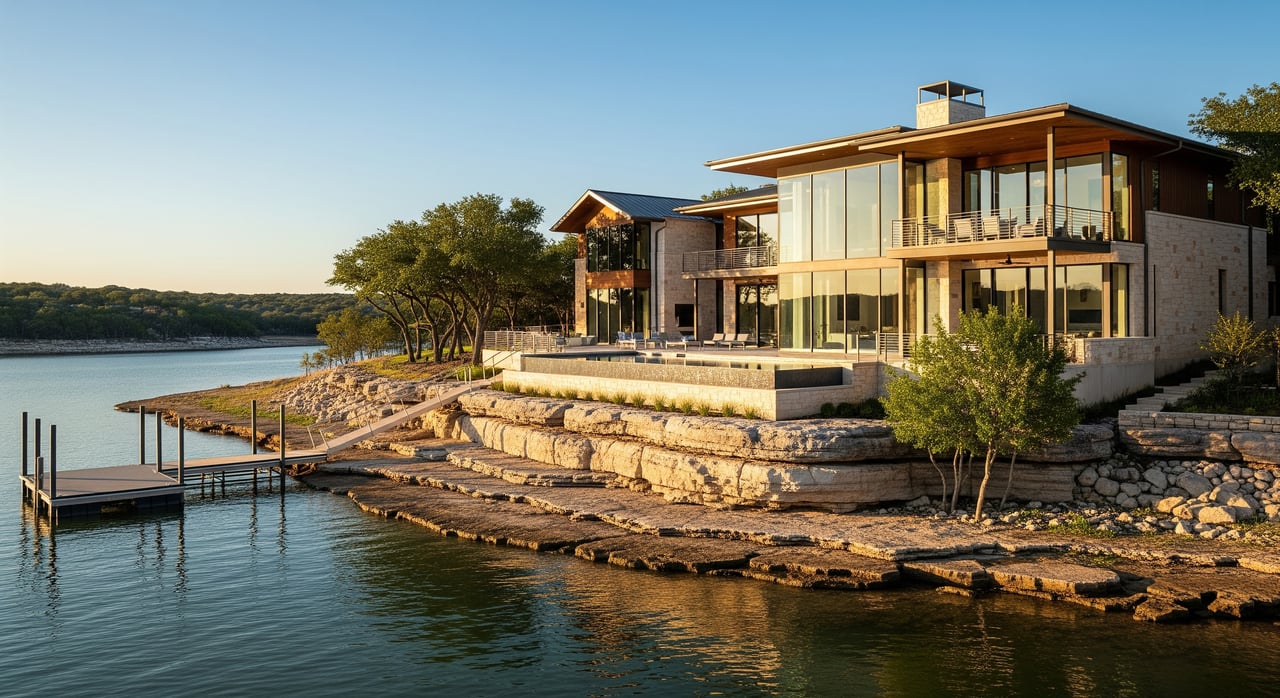
“Waterfront” covers a spectrum, from deep-water lots with private dock rights to shallow shoreline or view lots. Premiums vary by shoreline type, water depth, permitted dock size, and confirmed access. Compare apples to apples within each neighborhood and verify dock rights and permits before you value a property.
Lake Travis micro-markets
Lakeway and The Hills
Lakeway and nearby communities in western Travis County offer established amenities like golf and marinas with convenient access to RM 620 and Highway 71. Proximity to Austin job centers can support higher price points. You will see a mix of resale homes and newer construction with varied lake access.
Lago Vista and Jonestown
On the northern side, inventory ranges from smaller waterfront parcels to more accessible off-water options. Commute routes to US 183 and Austin’s tech corridors influence demand. You can often find broader price bands here, but verify lake access, shoreline conditions, and dock eligibility property by property.
Bee Cave, Spicewood, and Volente
This corridor blends newer development with pockets of rural feel. Bee Cave retail and services add convenience, while some homes sit farther from central lakefront. Inventory can include new construction and remodeled resales, with pricing influenced by drive times and marina access.
Burnet County and Marble Falls fringe
More rural settings may offer larger lots or lower price per square foot, balanced against a longer drive to Austin. Buyers seeking more land or privacy look here, but should budget time for on-the-ground checks like road access, utilities, and septic capacity.
Seasonal timing tips
Spring to summer
From late winter through summer, listings and showings climb, especially for turnkey waterfront homes. Competition can intensify, and list-to-sale ratios often rise. If you want the best selection of lake lifestyle properties, this is your window.
Fall to winter
Activity moderates in fall and early winter. You may find more room to negotiate on non-waterfront or properties that need updates. Selection for move-in-ready waterfront homes is tighter, so be prepared to act quickly if the right one appears.
Timing moves for waterfront
- Start your search early, even in winter, to get prepped on permits, inspections, and insurance.
- Be ready to tour quickly in spring and summer when desirable listings hit.
- If you prefer negotiation over selection, target fall for off-water or longer DOM listings.
Costs, rules, and risk checklist
Before you make an offer, build these items into your due diligence plan:
- Flood risk and insurance. Confirm FEMA flood zone status and ask for seller disclosures. Flood zones influence insurance cost and lender requirements.
- Dock and shoreline rules. Dock rights and shoreline work are regulated by the Lower Colorado River Authority and local counties. Get permits and written rights from the seller or HOA.
- Septic vs sewer. Many lake-area homes rely on septic systems. Verify system size, permit history, pump records, and replacement feasibility.
- Property taxes and special districts. Texas relies on local property taxes. Confirm tax rates, school district, and any municipal utility districts or assessments.
- Insurance quotes. Obtain homeowners, flood, and wind-hail quotes early, especially for exposed waterfront locations.
- Lake levels and usability. Lake levels can fluctuate. Low water can affect docking and the utility of shoreline improvements.
Features that drive pricing
- Shoreline quality and water depth for boating
- Verified private dock rights and permitted dock size
- Views, elevation, and lot usability
- Proximity to marinas, parks, retail, and major routes
- Commute access to Austin employment centers
- New construction timelines versus immediate move-in
- HOA or deed restrictions that shape future improvements
Your step-by-step research plan
- Pull a current snapshot from local MLS reports for your target neighborhoods. Track active listings, months of supply, median sold price, days on market, and list-to-sale ratio. Segment by waterfront and non-waterfront.
- Compare waterfront premiums by neighborhood. Look at median price, price per square foot, and DOM for both segments.
- Verify dock rights and shoreline status. Ask for permits, HOA rules, and any recorded easements that affect lake access.
- Check flood maps and insurance needs. Confirm flood zone and gather preliminary insurance quotes for the address.
- Confirm utilities and septic. Identify the water provider and sewer availability, or review septic permits and recent service records.
- Review HOA documents and deed restrictions. Ask for CC&Rs and any meeting notes about docks, shoreline, or short-term rental policies.
- Confirm tax history and special districts with the county appraisal district. Note school district and any assessments.
- Walk the property at different times. Visit weekdays and weekends to observe noise, boat traffic, and road patterns.
- Engage local lenders and appraisers who understand lakefront comps. Appraisal support is critical for unique waterfront homes.
- Align your offer strategy with market conditions. Use months of supply, DOM, and list-to-sale ratios to calibrate price, contingencies, and close timing.
Offer strategy by market tempo
- Tight conditions. When months of supply is low, strong terms matter. Shorten option periods, increase earnest money, and consider flexible closing dates. Keep key protections like inspection and appraisal, but tailor timelines to be competitive.
- Balanced to slower conditions. When inventory rises, aim for concessions or closing cost credits, and use inspection findings to negotiate repairs. Watch seasonal shifts, since leverage often improves in fall and winter.
For second-home and STR buyers
If you plan to use a property part-time or as an investment, add these checks:
- Confirm local and HOA short-term rental rules and licensing.
- Stress test revenue expectations against seasonal demand, lake levels, and maintenance reserves.
- Factor wear-and-tear, cleaning, and dock upkeep into your operating budget.
For primary-home buyers
If this will be your full-time residence, focus on:
- Daily drive times and access to RM 620, US 183, or Highway 71
- Proximity to services, parks, and marinas you will use often
- Long-term maintenance, especially for shoreline structures and septic systems
What this means for you
Lake Travis rewards buyers who prepare early, verify the details, and act with confidence when the right property appears. Use months of supply and DOM to set expectations, compare micro-markets to match your lifestyle, and run the full checklist on docks, flood risk, septic, and taxes. That is how you protect your investment and enjoy the lake lifestyle without surprises.
When you are ready for a focused search and private showings, connect with Steve Dedear for concierge guidance and neighborhood-specific data. Explore My Properties.
FAQs
How much more do lakefront homes cost on Lake Travis?
- Waterfront often carries a meaningful premium, but the size of that premium depends on shoreline type, water depth, dock rights, and the specific neighborhood.
What is the best time of year to buy near Lake Travis?
- Spring and summer offer the most selection but more competition, while fall and winter can provide better negotiation on many listings with a smaller pool of turnkey waterfront options.
What hidden costs should I budget for with lake homes?
- Plan for dock permits or repairs, septic service or replacement, higher insurance, property taxes, and shoreline maintenance.
How do changing lake levels affect value and use?
- Lake level changes can limit docking or reduce shoreline usability at certain times, which affects both enjoyment and the marketability of some properties.
Which contingencies matter most for waterfront purchases?
- Keep inspection and appraisal contingencies, add septic inspection if applicable, and verify written dock and shoreline rights before you waive protections.