Struggling to sort through Rough Hollow’s many enclaves? You are not alone. This master-planned community spans hills, coves, and ridgelines, so the lifestyle and price points vary a lot from street to street. In this guide, you will learn how to match your boating plans, view preferences, and maintenance needs to the right neighborhood, plus the exact due diligence that helps you buy with confidence. Let’s dive in.
Rough Hollow at a glance
Rough Hollow is a resort-style, master-planned community on the south shore of Lake Travis with a centralized amenity core at Highland Village and the Rough Hollow Yacht Club & Marina. The development promotes roughly three miles of shoreline and about 1,780 to 1,800 acres of neighborhoods arranged around coves and ridgelines. Highland Village anchors the lifestyle with pools, sport courts, trails, and year-round programming that add real value for non-waterfront buyers. You can preview the amenity lineup on the developer’s page for Highland Village and community amenities.
The Rough Hollow Yacht Club & Marina operates separately from the HOA and lists about 294 slips with posted monthly rates by size. Slips are limited and managed for tenants and members, so plan for separate costs and possible waitlists. See current services and example pricing on the Rough Hollow Yacht Club & Marina page.
Rough Hollow sits within Lake Travis Independent School District and includes Rough Hollow Elementary, with nearby secondary schools serving older students. It is roughly 25 to 35 miles, or about 30 to 40 minutes, to central Austin depending on traffic and route. For a quick location snapshot, view the Rough Hollow location page.
Start with your lifestyle
Daily boating priority
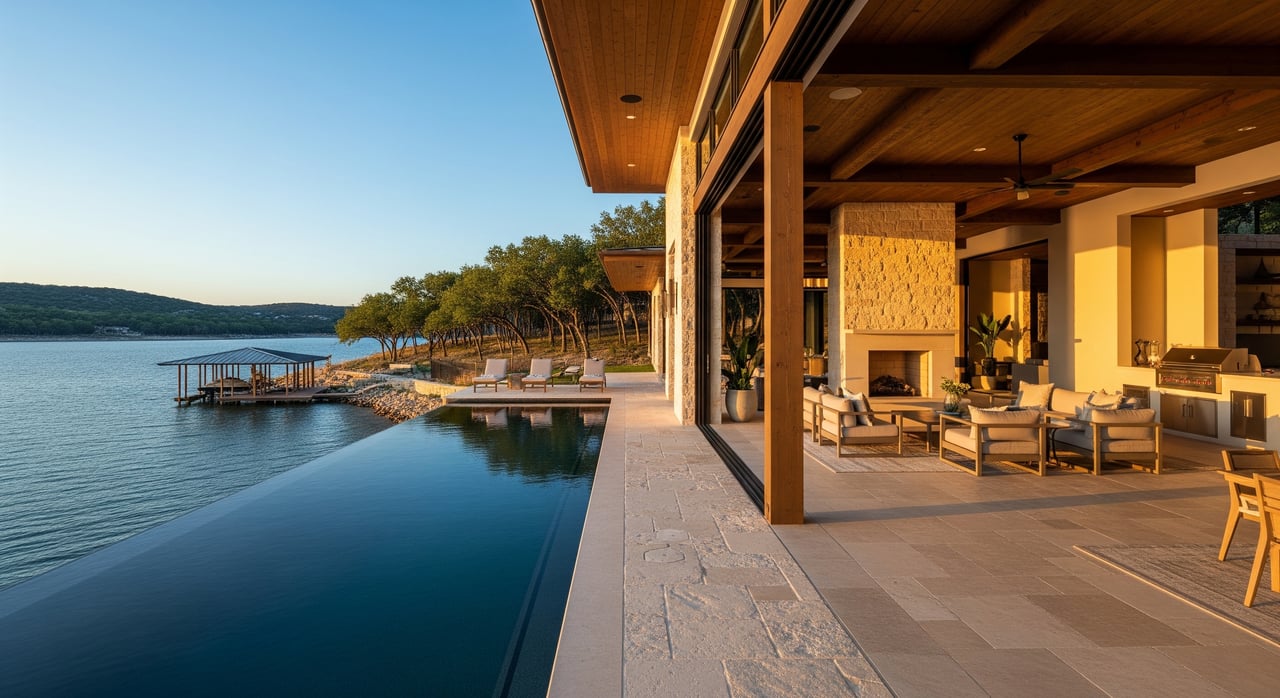
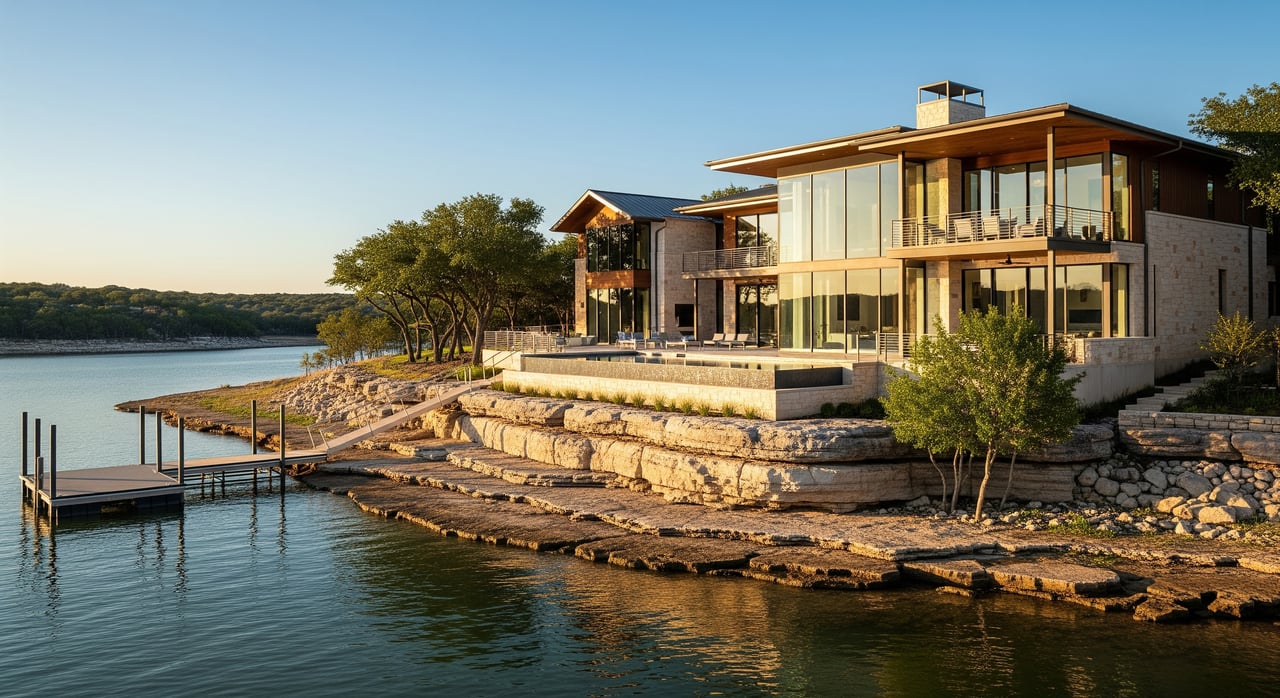
If your plan is to be on the water every weekend, focus on the gated waterfront pods that offer dockable lots or the easiest access to slips. The Peninsula and coves such as Water’s Edge, Lakeside, and Westside Landing are the highest tier for direct lake access. Confirm any deeded dock rights and the ability to rent or transfer a marina slip before you write an offer. You can review the enclave layout on the developer’s community map.
Big views over docks
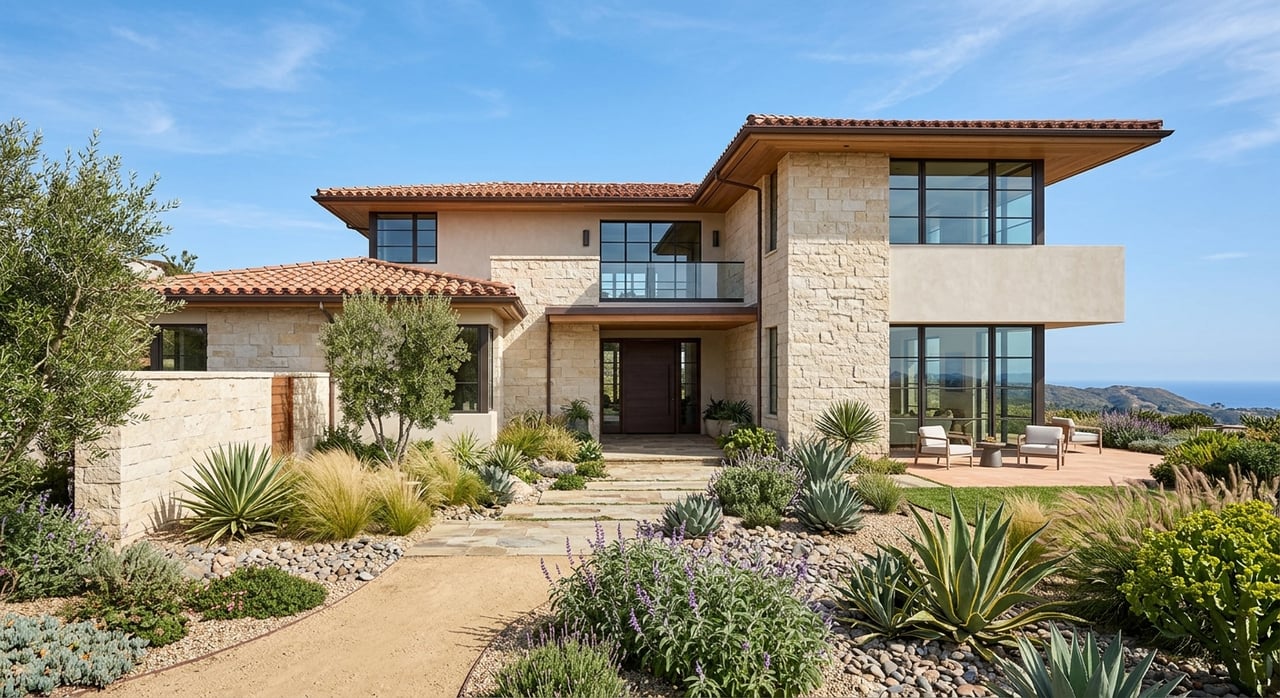
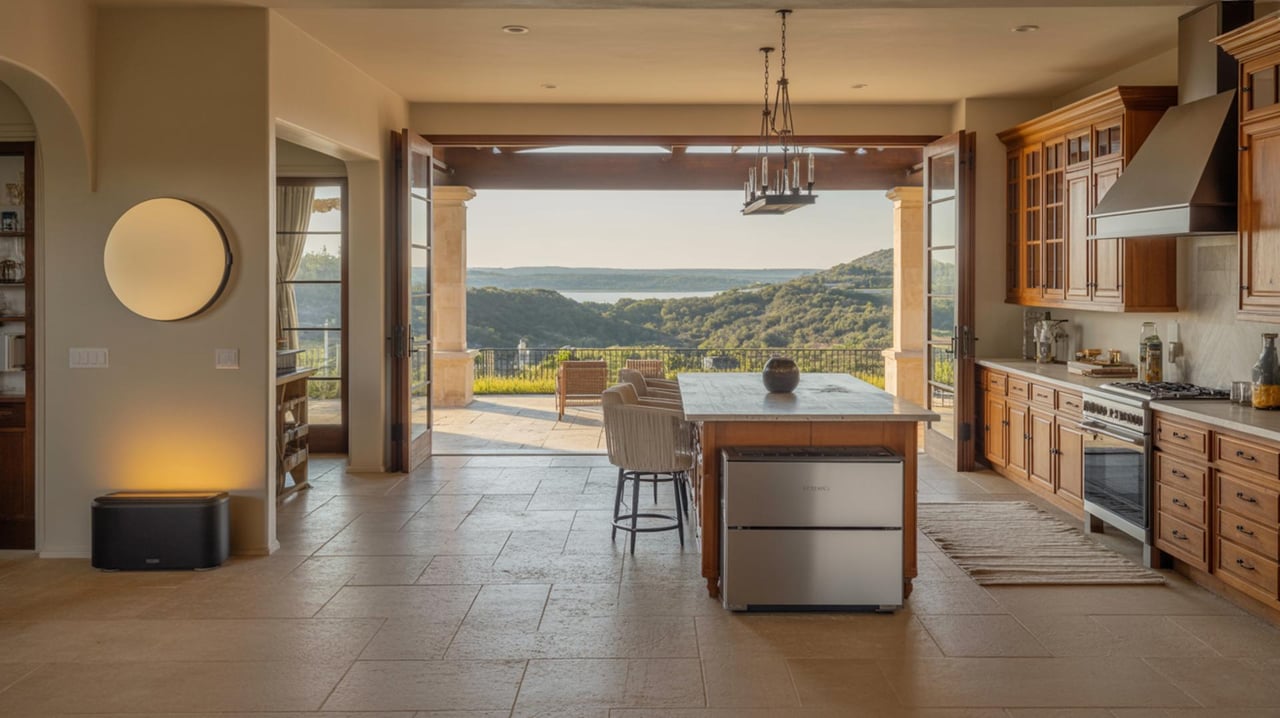
If you prefer sweeping Hill Country and sunset views over boat storage, target the ridge neighborhoods. Vista Ridge, The Summit, and Vista Ridge Estates emphasize elevation, privacy, and long views. Vista Ridge Estates markets elevations up to about 1,100 feet above sea level, among the highest in Rough Hollow. Explore the neighborhood profiles on the developer’s neighborhood page.
Lock-and-leave convenience
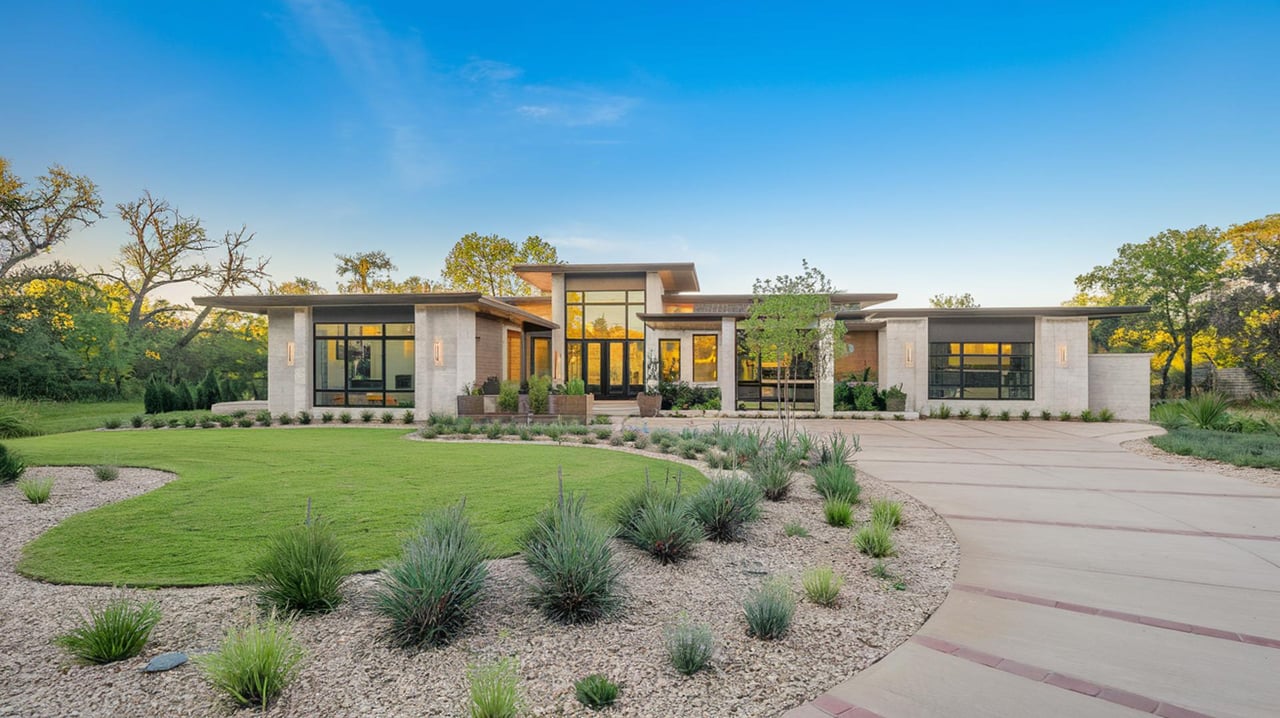
If you travel often or want less yard work, the low-maintenance products are built for you. The Point and several village or condo-style pockets are designed as lock-and-leave options. The District features modern, smaller-footprint homes that suit downsizers or second-home buyers who still want the amenities. Check maintenance items and parking rules in the HOA for each enclave on the neighborhoods page.
Value plus amenities
If you want community amenities without paying for a private dock, consider canyon or greenbelt pockets. Neighborhoods like Canyon Pass, The Madrones, and La Mesa tend to offer more attainable price points with access to Highland Village and community programming. Lot widths and streetscapes vary, so review the site plan to see how each pocket sits relative to the coves and ridges. The community map is a helpful starting point.
Neighborhood types explained
Waterfront enclaves
Waterfront or dock-capable neighborhoods, led by The Peninsula and lakeside pods like Water’s Edge and Lakeside, command the highest premiums. Inventory is limited and specifics vary by lot, including any deeded slip access or community docking arrangements. Always verify dock rights and confirm marina options in writing. The community map shows how these enclaves relate to coves and the marina.
Hilltop and ridge
Vista Ridge, Vista Ridge Estates, and The Summit trade direct water access for panoramic vistas. Expect larger or steeper lots with grading and retaining-wall considerations. If you love sunsets, elevation can deliver them, but plan for additional site work. Learn more about these products on the neighborhoods page.
Low-maintenance villages
The Point and similar village or condo-style products are purpose-built for convenience. The District offers modern floor plans that are smaller than custom estates but still above typical tract housing thanks to the amenity package. Review HOA coverage so you know what is maintained and what is not. The neighborhoods page outlines these options.
Lot widths and scale
Rough Hollow uses lot frontage as a shorthand for scale. Examples include Canyon Pass at about 55 feet of frontage, The Madrones and La Mesa at around 63 feet, Santaluz at about 78 feet, and Vista Ridge or Las Brisas at roughly 90 feet. Wider lots often mean more privacy and a larger buildable envelope. You can cross-reference lot types and locations on the neighborhoods page.
Amenities and marina realities
Highland Village highlights
Highland Village is the water-themed hub with pools, a lazy river, splash areas, courts, an amphitheater, and trails. The community also promotes a lifestyle director and year-round activities that add value to everyday living. Preview details on the amenities page.
How marina access works
The Rough Hollow Yacht Club & Marina lists about 294 slips with monthly rates that vary by size. Example published rates show smaller covered slips around the mid five hundreds per month and larger covered slips over one thousand per month. Slips are not included with a home purchase, so plan for separate contracts, costs, and possible waitlists. Review current offerings on the Yacht Club & Marina page.
LCRA lake and dock rules
Lake Travis is managed by the Lower Colorado River Authority. The conservation pool level is 681 feet mean sea level, and flood operations affect shoreline and dock design across the Highland Lakes. Residential docks under 1,500 square feet generally do not require an LCRA permit, and Lake Travis guidance cites a 100-foot maximum extension, but you still must meet safety standards and local rules. Start with LCRA’s resources on flood and lake levels and on docks and marinas permitting.
A smart due diligence checklist
Before you remove contingencies, verify these items to avoid surprises:
- Deed, plat, and easements. Confirm whether lake access or dock rights are deeded to the lot or provided through the HOA. Use the recorded plat and the title report. Cross-check enclave location on the community map.
- LCRA status. Ask LCRA if the existing or proposed dock meets safety standards and whether submerged land requires a lease or permission. Begin with LCRA’s docks and marinas page.
- FEMA flood zone and elevation. Look up the property at FEMA’s Flood Map Service Center and request an elevation certificate if available. Check lender flood insurance triggers using the FEMA map portal.
- HOA or POA documents. Review CC&Rs, bylaws, budgets, meeting minutes, and any reserve studies to confirm what is maintained and any pending assessments. Prior reporting shows HOA fees vary by product type, so verify the current schedule with the manager. For background, see this Community Impact overview.
- Marina agreements. If you need a slip, confirm availability, transfer rules, waitlists, and the current fee schedule with the marina operator. Reference the Yacht Club & Marina services.
- Survey and grading plan. On hillside lots, obtain a current survey and, if needed, a geotechnical or drainage opinion. Site work can affect driveway design, yard usability, and pool or dock plans. Neighborhood context is outlined on the developer’s page.
- Property taxes and special districts. Identify all taxing entities on the Travis County tax rolls and note any MUD, PID, or ESD line items that affect total carry costs. Community Impact’s tax resources can provide local context, but confirm current rates directly with the county. See their digital tax guide.
Consider these specialists when appropriate: a dock and seawall contractor, shoreline or erosion consultant, structural or drainage inspector for steep lots, and a real estate attorney to review complex HOA documents.
Pricing and resale factors
Pricing inside Rough Hollow is highly segmented. Smaller production and village homes tend to start in the mid six figures, while waterfront estates and custom builds commonly range into the low to multi-millions depending on water access, dock rights, and finish level. Always pull current comparable sales for the specific enclave you are targeting.
For resale strength, prioritize the elements buyers ask for first. These include recorded dock or slip rights where applicable, easy access to the marina, unobstructed view orientation with desirable sunset exposures, a usable backyard or level build area, and proximity to Highland Village. Lots with steep access, limited yard usability, or no documented dock rights are typically less liquid at the top price bands. The community map can help you visualize these tradeoffs.
Quick decision guide
- Boating every weekend: target The Peninsula, Water’s Edge, Lakeside, and Westside Landing, then verify dock or slip options.
- Panoramic views and privacy: shortlist Vista Ridge, Vista Ridge Estates, and The Summit.
- Lock-and-leave convenience: focus on The Point, The District, and village or condo-style products.
- Value with full amenities: consider Canyon Pass, The Madrones, and La Mesa.
Your next step
Picking the right Rough Hollow neighborhood comes down to lifestyle, site specifics, and paperwork. Start by ranking boating needs, views, and maintenance preferences, then confirm HOA coverage, LCRA constraints, flood maps, and marina access in writing. When you are ready to tour enclaves, compare comps, and align the details, connect with Steve Dedear for local guidance and a private, on-the-water perspective that saves time and avoids surprises.
FAQs
Which Rough Hollow neighborhoods offer waterfront or dock potential?
- The Peninsula and lakeside enclaves like Water’s Edge and Lakeside lead the list, but always verify recorded dock rights and marina options using the community map and written documents.
How do marina slip rentals work at Rough Hollow?
- Slips are managed by the Rough Hollow Yacht Club & Marina, not the HOA, with about 294 slips and published monthly rates by size; check availability, rules, and pricing on the marina services page.
What should I know about Lake Travis levels and dock permits?
- Lake Travis is managed by LCRA, with a 681-foot conservation pool; residential docks under 1,500 square feet generally do not need an LCRA permit, but safety standards and local rules still apply as outlined by the LCRA permitting guide.
How far is Rough Hollow from central Austin and what schools serve it?
- The community is roughly 25 to 35 miles, or 30 to 40 minutes, from central Austin depending on traffic, and it is in Lake Travis ISD; see the location overview.
Are there low-maintenance or lock-and-leave options in Rough Hollow?
- Yes. The Point and select village or condo-style products plus The District are designed for lower-maintenance living; review specifics on the neighborhoods page.