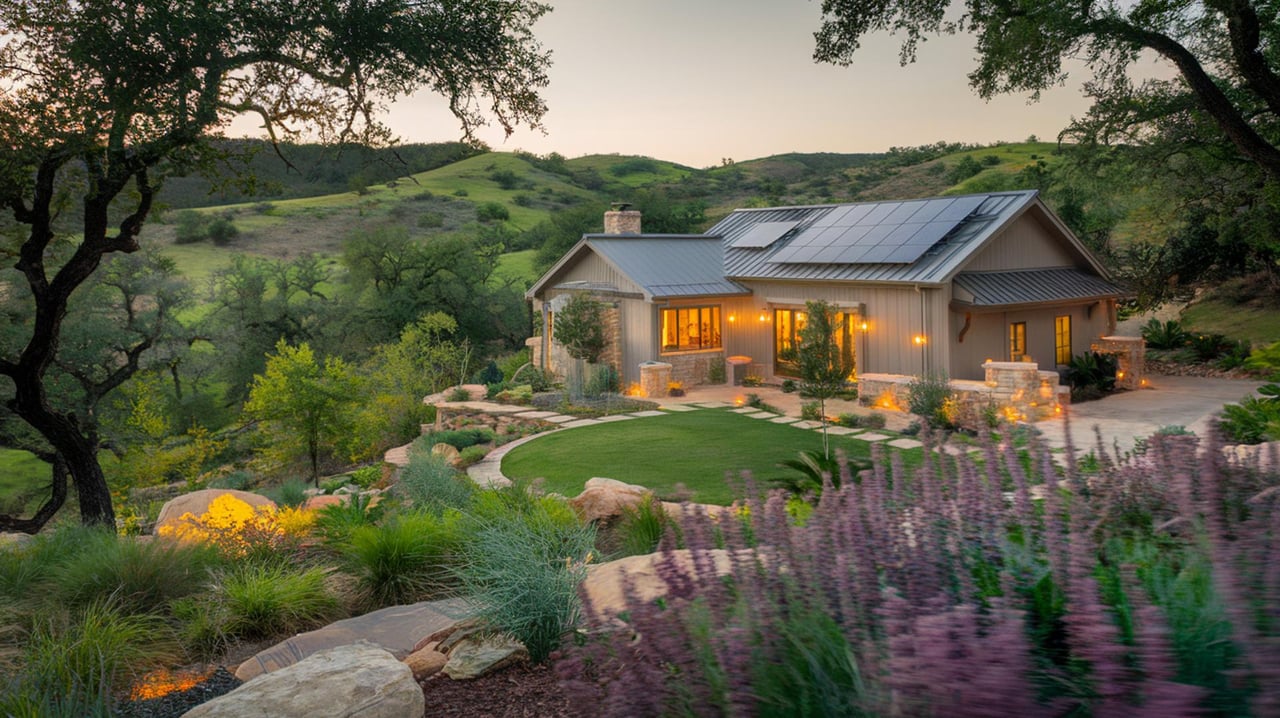
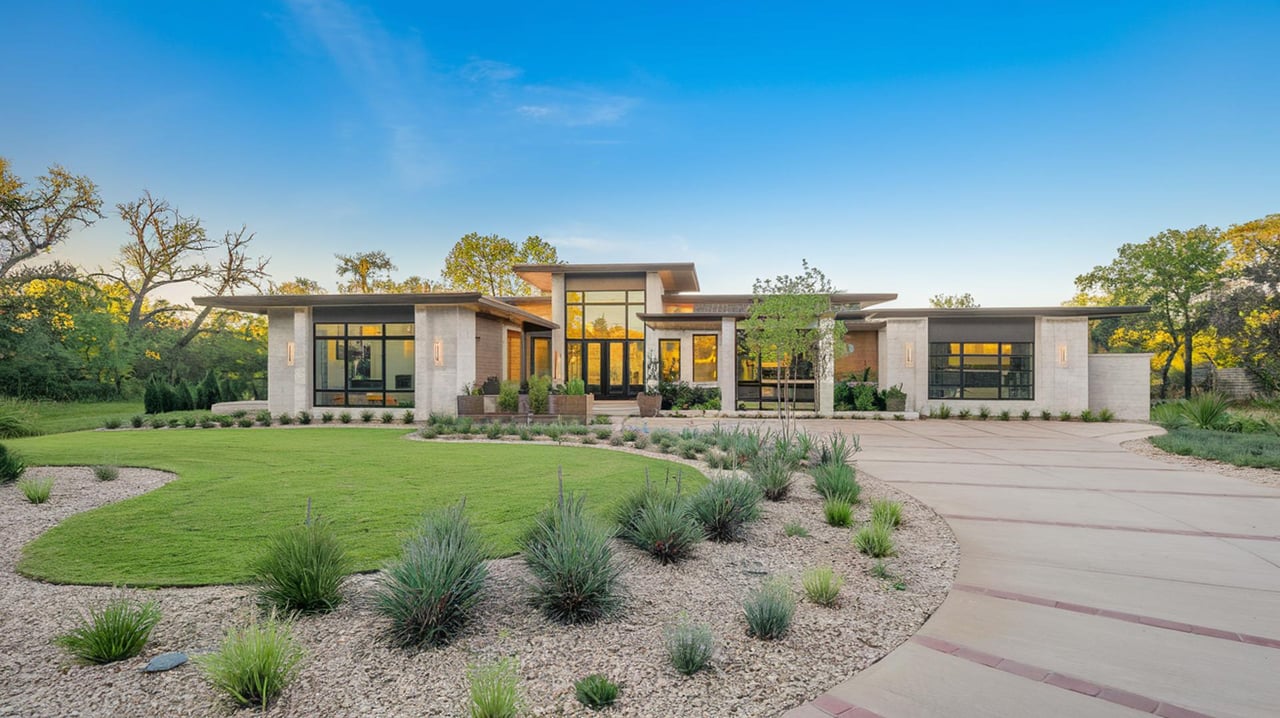
If you are dreaming about wide-open space near Austin, buying acreage in Dripping Springs can feel like the perfect next move. It also comes with a very different set of questions than buying in a typical subdivision, especially when you start looking at permits, utilities, access, and land use. This guide will help you understand what to expect, what to verify, and how to approach a Hill Country acreage purchase with more confidence. Let’s dive in.
Why Dripping Springs Acreage Draws Buyers
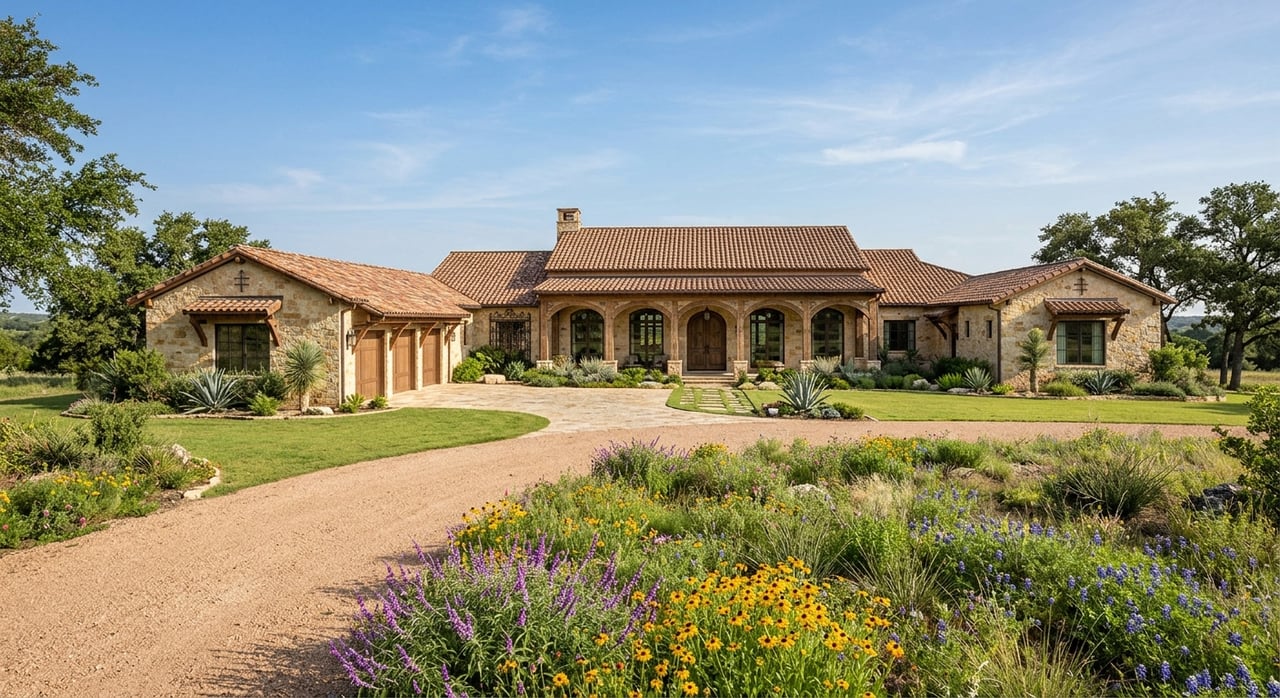
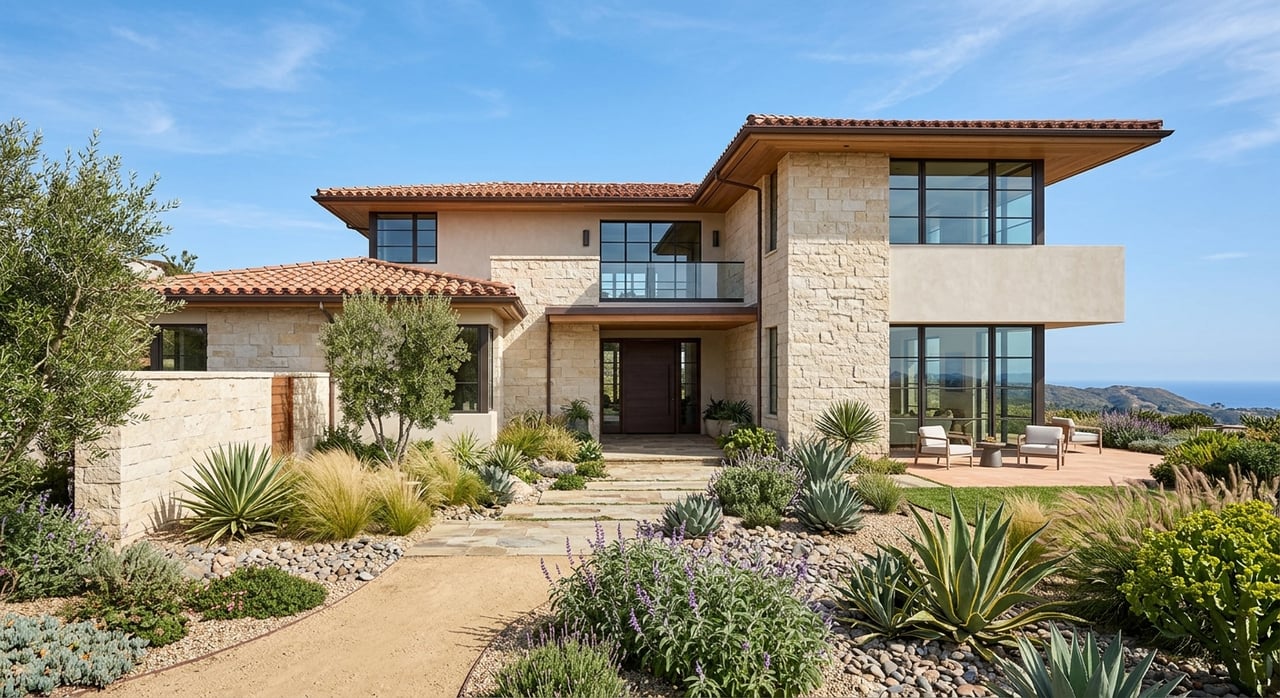
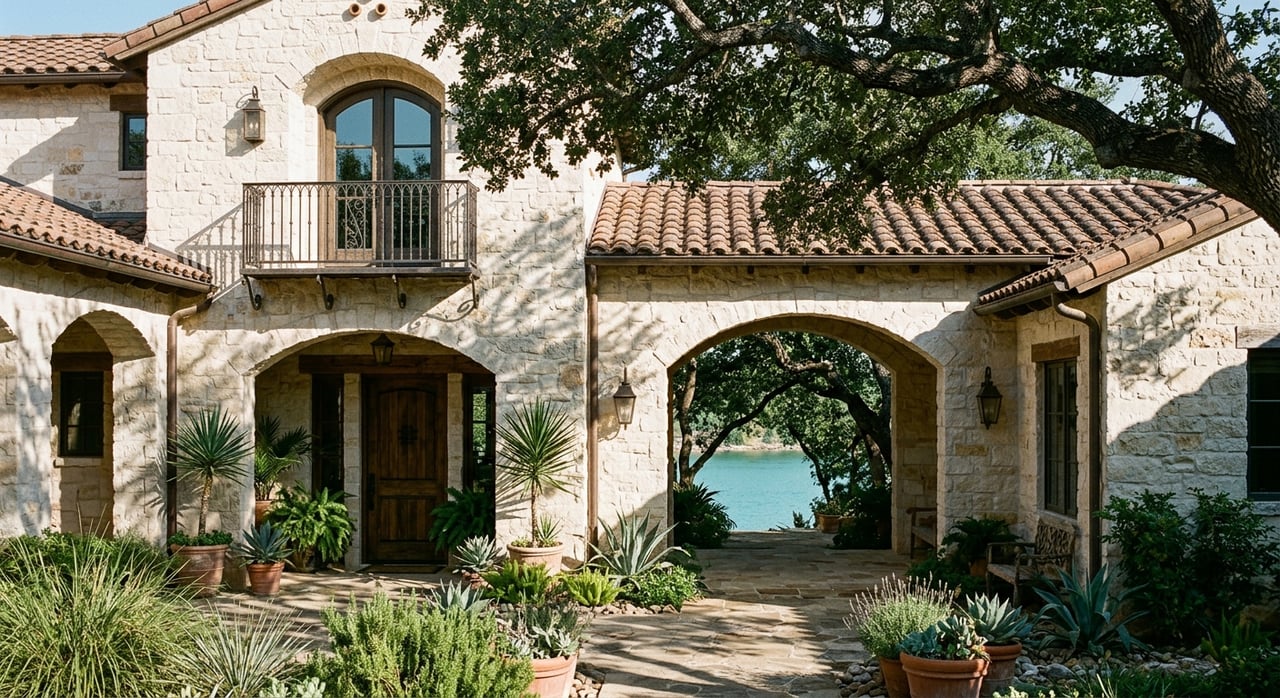
Dripping Springs offers a mix of scenic Hill Country views, estate-style homesites, and room to create a more private lifestyle. For many buyers, that means the appeal of a custom home, space for outdoor living, and a little more breathing room while staying within reach of Austin.
The local inventory also shows that “acreage” here often means estate lots and ranchettes rather than large working ranches. Current listings range from about 1.5 acres to more than 20 acres, with examples including 1.52 acres at $250K, 5 acres at $450K, around 6.4 acres from roughly $628K to $705K, 10 acres at about $1.3M, and 20.8 acres at $1.855M. Redfin currently shows 118 land listings in Dripping Springs, with a median land listing price of $500K.
What the Market Looks Like
If you are starting your search, it helps to know the general shape of the market before you focus on one property. Based on current listing samples, many buyers will see three broad acreage categories in Dripping Springs.
Estate lots and smaller acreage
These properties often fall in the roughly 1.5- to 5-acre range. They can be a strong fit if you want extra privacy and a custom-home feel without taking on the complexity of a larger tract.
Mid-size ranchettes
Listings in the 6- to 14-acre range often offer more room for outbuildings, outdoor recreation, and a larger buffer from neighbors. Some of these properties are in gated or structured acreage communities, while others are more independent in character.
Larger tracts
You will also find occasional 20+ acre properties, though they are less common in the current listing sample. These can offer a different ownership experience, but they often require even more due diligence around access, utilities, and land management.
Why Two Acreage Tracts Can Feel Very Different
One of the biggest surprises for buyers is that two properties with similar acreage can come with very different rules and costs. In Dripping Springs, that often depends on where the tract sits and how it was originally developed.
A parcel may be inside city limits, in the ETJ, or in unincorporated Hays County. The city notes that its online boundary maps are not official and should be verified with city representatives. That matters because certain rules, permits, and development standards can change depending on the property’s location and whether a subdivision has development agreements or variances.
Start With Jurisdiction and Plat Status
Before you get attached to a property, confirm the basics that shape almost everything else. This step can save you time, money, and frustration.
Verify city limits, ETJ, or county location
Dripping Springs notes that the ETJ is unusually large and that much of the city’s growth has occurred both inside the city and in the ETJ. Some ETJ subdivisions with development agreements or variances may also be subject to the city’s outdoor lighting ordinance.
That means acreage does not always equal “no city involvement.” A property that looks rural may still be affected by city-linked requirements.
Confirm whether the tract is platted
Hays County says plats establish boundaries, restrictions, access, and utility information. If the legal description uses terms like “Survey” or “Abstract,” the tract is probably unplatted.
That can be a major issue because raw land may need platting before certain approvals can move forward. Hays County also says that if platting is required and has not been completed, the property can lose eligibility for county approvals, including OSSF permits and driveway permits.
Check access early
Some private roads or streets may need to be built to county standards. A great homesite is less appealing if legal or physical access is unclear, so this should be one of the first things you verify.
Understand Permits Before You Buy
Acreage buyers often focus on views, trees, and topography first. Those features matter, but permits are often the real differentiator between an easy project and a difficult one.
Hays County says development permits can be required for houses, pools, sheds, roadways, grading, fill, and creek crossings. The city building department also advises checking with planning before submitting a permit, and city permit categories include accessory buildings, driveways, fences, irrigation, plumbing, roofing, and pools.
In other words, even small improvements on acreage may involve review. If you plan to build, expand, clear land, or add site features, it is smart to investigate that upfront rather than assume the land is fully ready for your plans.
Utilities Can Shape the Whole Deal
When you buy in a conventional neighborhood, utility service is often straightforward. On acreage, utility questions can become some of the most important parts of your decision.
Septic systems
In unincorporated Hays County, all OSSFs require a permit regardless of lot size. If an aerobic system is needed, the county requires a maintenance affidavit and a two-year maintenance contract.
That means septic is not just a one-time install question. It can affect design, timing, and ongoing ownership responsibilities.
Wells and water testing
Private well owners are responsible for regularly testing water. The Texas Commission on Environmental Quality notes that private wells are largely unregulated and do not have the same reporting structure as public water systems, and licensed drillers and pump installers are required.
If a property relies on a well, you will want to understand both water availability and water quality as part of your due diligence.
Sewer service limits
The City of Dripping Springs says it manages wastewater for properties in city limits and select development-agreement subdivisions, but its utility page currently says the system is at full capacity and not accepting new wastewater connections. For some buyers, that makes onsite wastewater planning even more important.
Drainage and Floodplain Matter More Than Many Buyers Expect
In the Hill Country, land shape and drainage patterns can strongly affect what you can build and where. This is especially important on sloped tracts, near creek frontage, or on parcels with low areas that may look attractive during a showing.
Hays County requires a development permit for land modification activity inside or outside the floodplain. County materials also explain that flood maps can affect insurance and lender requirements.
A property with beautiful creek frontage or a pond feature may still need careful review before you make plans for a homesite, driveway, or other improvements. This is one reason acreage purchases often benefit from more technical due diligence than a typical home purchase.
Lifestyle Benefits and Trade-Offs
Acreage living can be incredibly rewarding, but it is not maintenance-free. The same features that create privacy and flexibility also tend to create more owner responsibility.
You may gain views, outdoor space, and a more private setting. At the same time, you may also take on more self-management around roads, wells, septic systems, fences, drainage, and brush or fire-related rules.
Hays County burn rules and burn bans can also affect brush clearing, debris piles, and prescribed burns. If land stewardship is part of your vision, this is worth understanding from the start.
HOA, Gated, and Overlay Differences
Not every acreage property is fully unrestricted. That is another detail buyers should confirm early.
One tract may be HOA-free and more flexible, while another may sit in a gated ranchette community with dues or specific development standards. Current listing samples in the area include structured acreage communities with 6- to 18-acre lots, and some acreage listings also mention voluntary HOAs or city-linked overlays.
On city-linked tracts, city landscape and tree-preservation rules may also matter. The city ordinance highlights heritage-tree protection and limits sprinkler overspray onto streets and sidewalks.
Do Not Assume Ag Valuation Transfers
Many buyers ask whether acreage automatically qualifies for agricultural valuation. In Hays County, the answer is no.
Hays CAD says ag appraisal applies to the land only, requires principal agricultural use, generally five of the preceding seven years, and a timely application. The county guidelines also show that ongoing documentation, and sometimes inspection, can be part of keeping that valuation in place.
If a property is currently receiving ag valuation, treat that as something to verify rather than assume. Qualification depends on the land and its use, not simply on acreage size.
A Smart Due Diligence Team
Buying acreage usually works best when you bring in the right specialists early. Based on county guidance and the issues that most often affect rural tracts, these are some of the most practical professionals to consider:
- A surveyor or title professional to verify boundaries and access
- A septic professional to review OSSF feasibility and permitting
- A well-water lab or licensed driller to evaluate water questions
- A civil or drainage consultant to review floodplain and site conditions
Each property is different, and the right team depends on the tract. Still, these specialists often help answer the questions that matter most before closing.
A Simple Acreage Buying Checklist
If you want a practical starting point, focus on these items before you move forward:
- Verify whether the property is in city limits, the ETJ, or unincorporated Hays County
- Confirm whether the tract is platted or may require platting
- Review legal and physical access to the property
- Check permit requirements for your intended improvements
- Understand septic needs and permit requirements
- Investigate well status, water quality, and water testing responsibilities
- Review floodplain and drainage conditions
- Ask about HOA rules, development agreements, or city-linked overlays
- Verify whether any ag valuation exists and whether it is likely to continue
- Review burn rules that could affect land clearing and maintenance
Final Thoughts on Buying Acreage in Dripping Springs
Buying Hill Country acreage in Dripping Springs can open the door to a lifestyle that is hard to match: more privacy, more flexibility, and space to build something that fits the way you want to live. The key is understanding that land purchases are often shaped less by the view itself and more by the details behind the property, especially platting, permits, utilities, drainage, and jurisdiction.
If you take the time to verify those factors early, you can shop with more clarity and avoid costly surprises later. If you are exploring acreage, estate lots, or luxury homesites in the west Austin and Dripping Springs area, Steve Dedear can help you evaluate the opportunities with a local, strategic perspective.
FAQs
What does acreage usually mean in Dripping Springs?
- Current listings suggest acreage often means estate lots or ranchettes, commonly in the roughly 1.5- to 5-acre range, with mid-size and larger tracts also available.
Do Dripping Springs acreage properties always need well and septic systems?
- Often yes on rural tracts, and Hays County requires septic permits for all OSSFs regardless of lot size, while private well owners are responsible for regular water testing.
Do city rules still affect acreage in Dripping Springs?
- Sometimes, because a tract may be inside city limits, in the ETJ, or in a subdivision with development agreements or variances that remain subject to certain city ordinances.
Can an unplatted tract create problems for building in Hays County?
- Yes, because Hays County says if platting is required and not completed, the property can lose eligibility for some county approvals, including OSSF and driveway permits.
Does acreage in Hays County automatically qualify for ag valuation?
- No, because Hays CAD says ag appraisal requires qualifying agricultural use, a timely application, and ongoing compliance rather than automatic transfer with a sale.