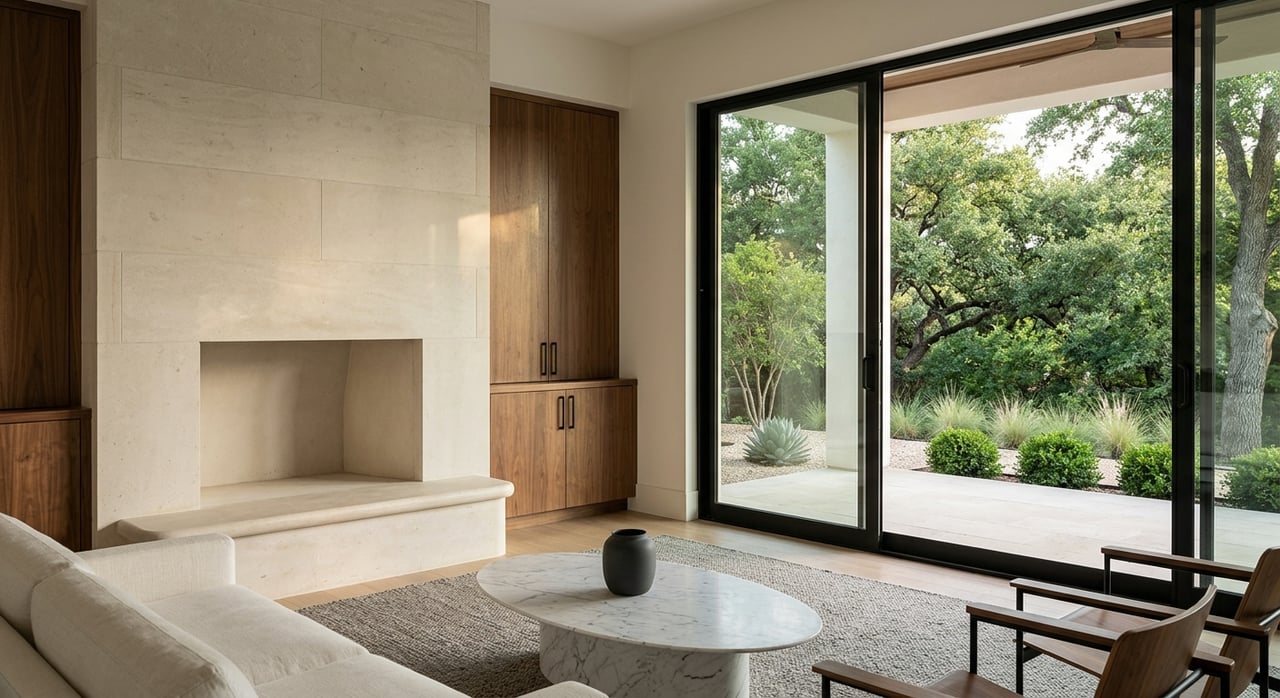
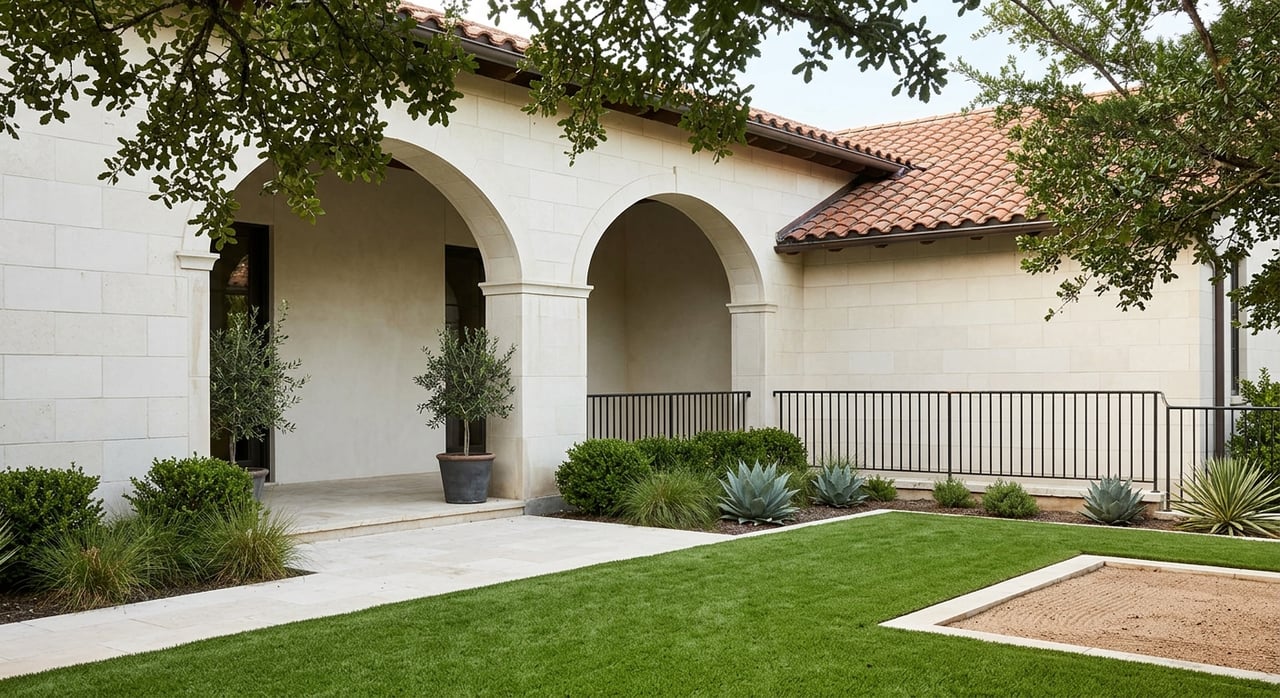
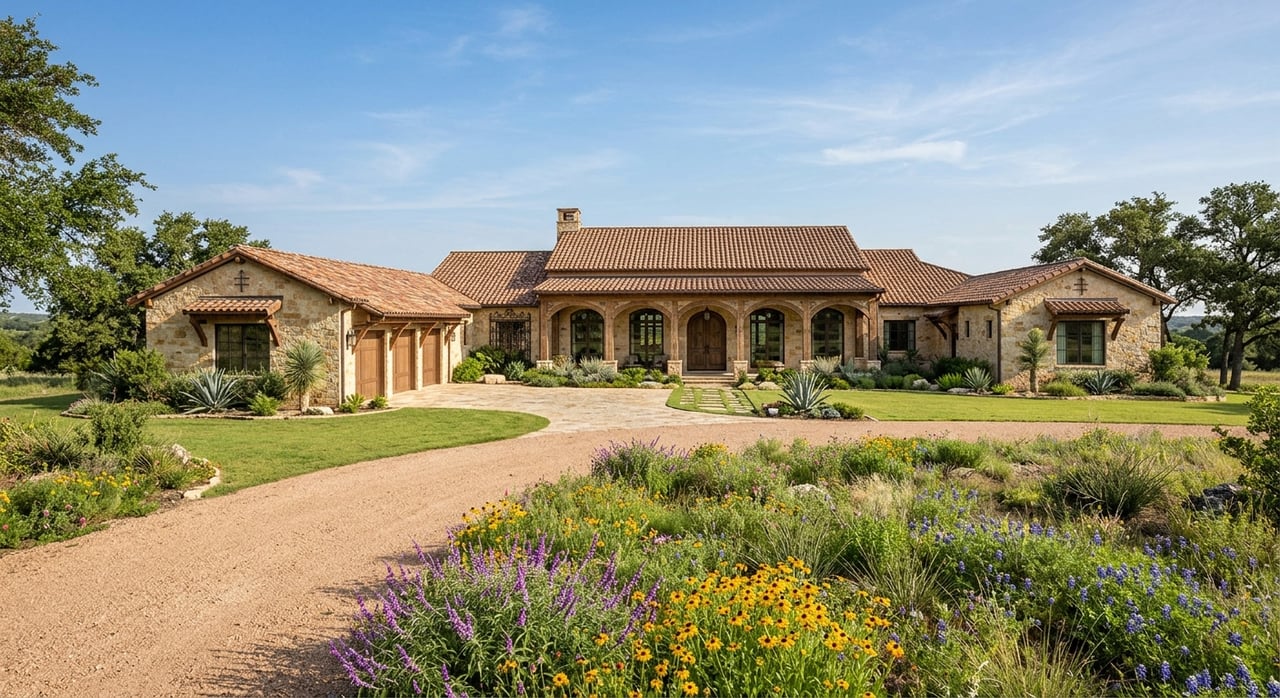
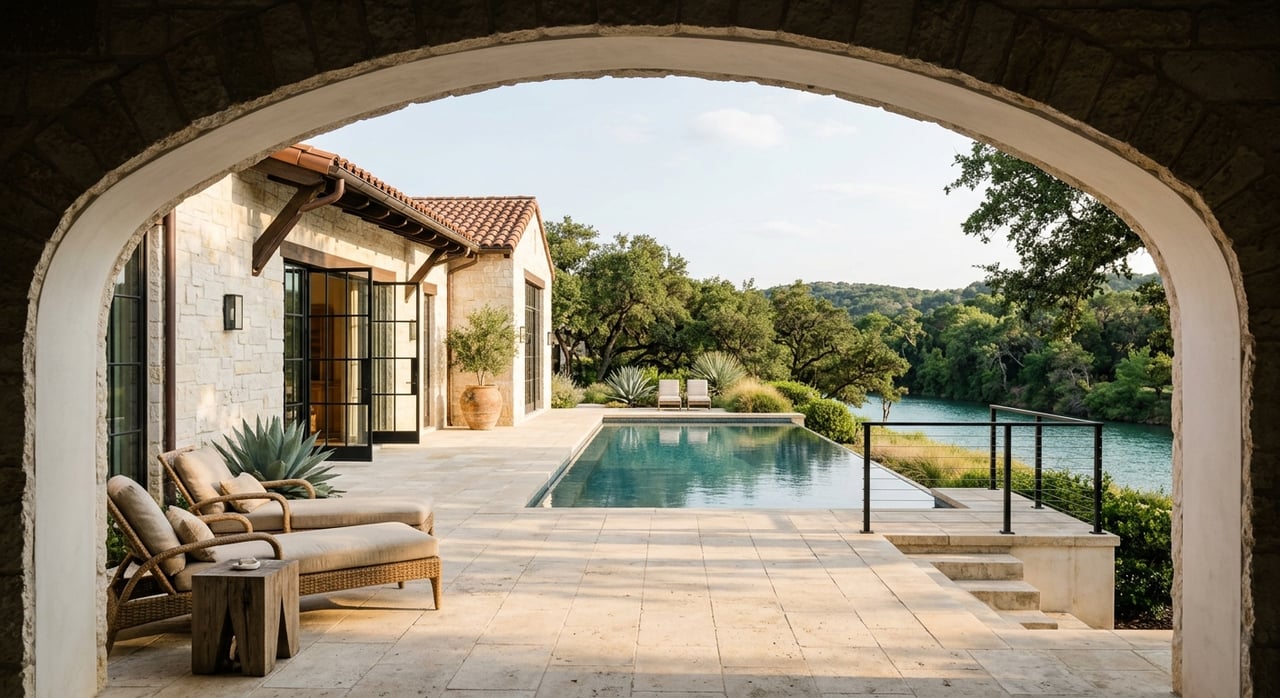
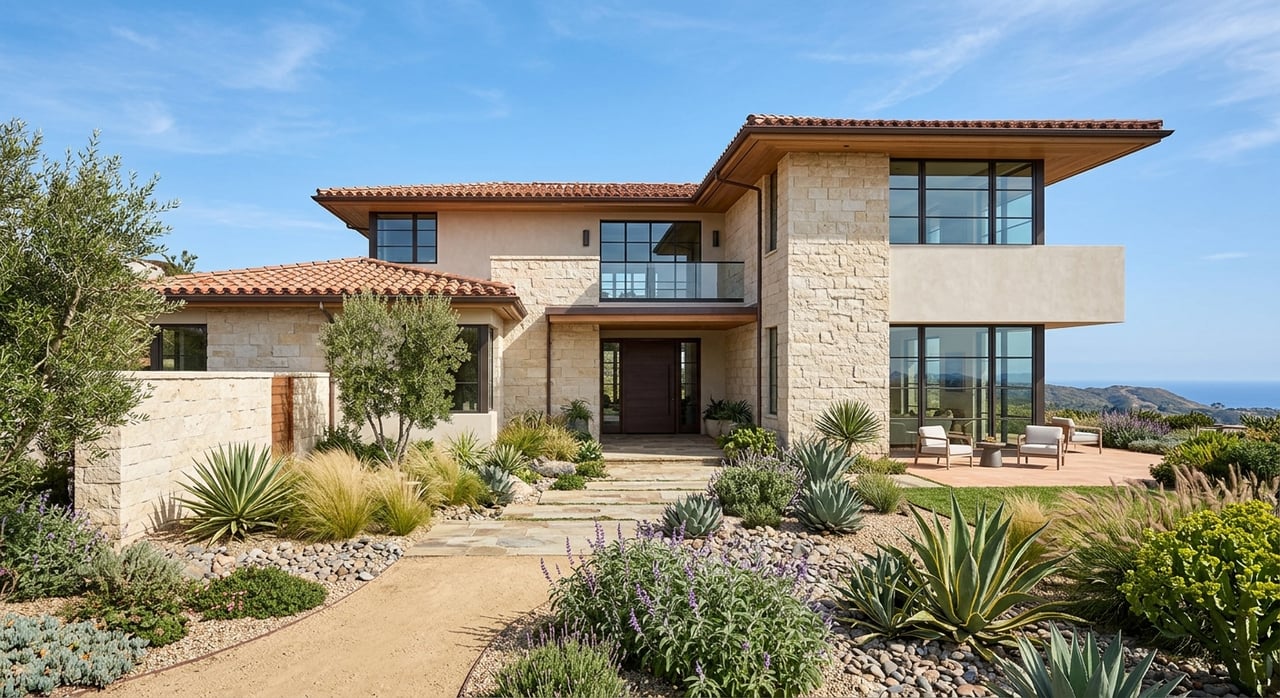
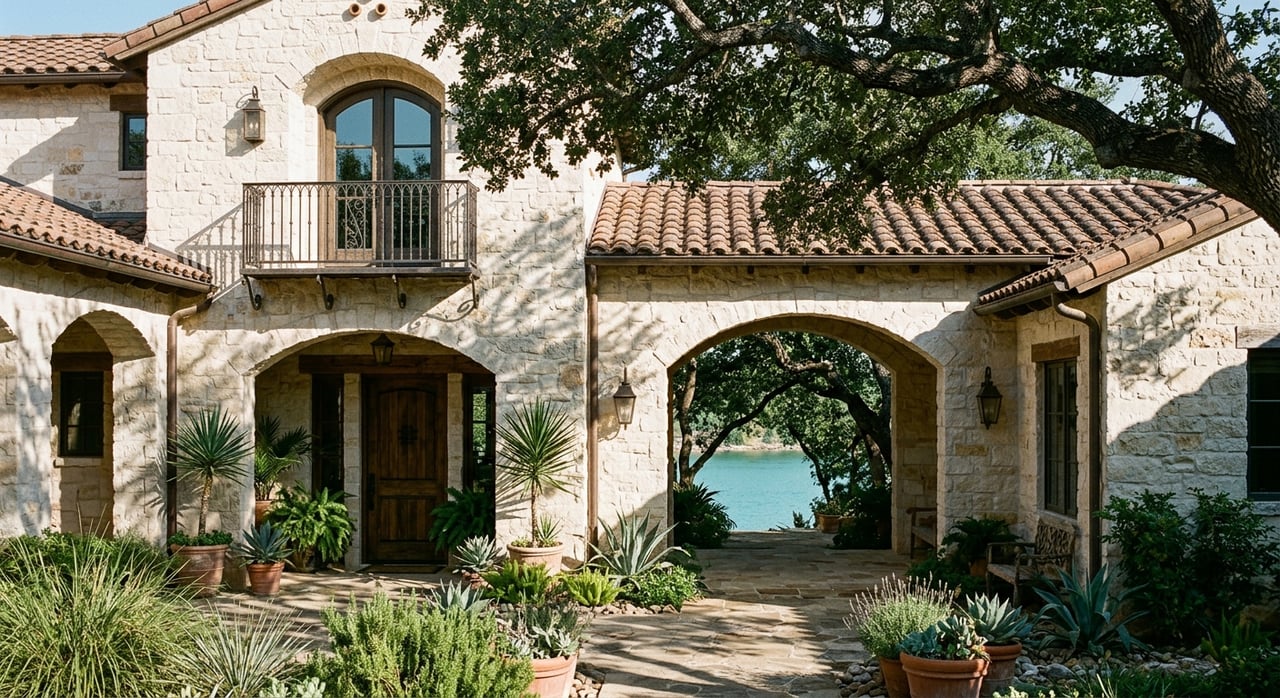
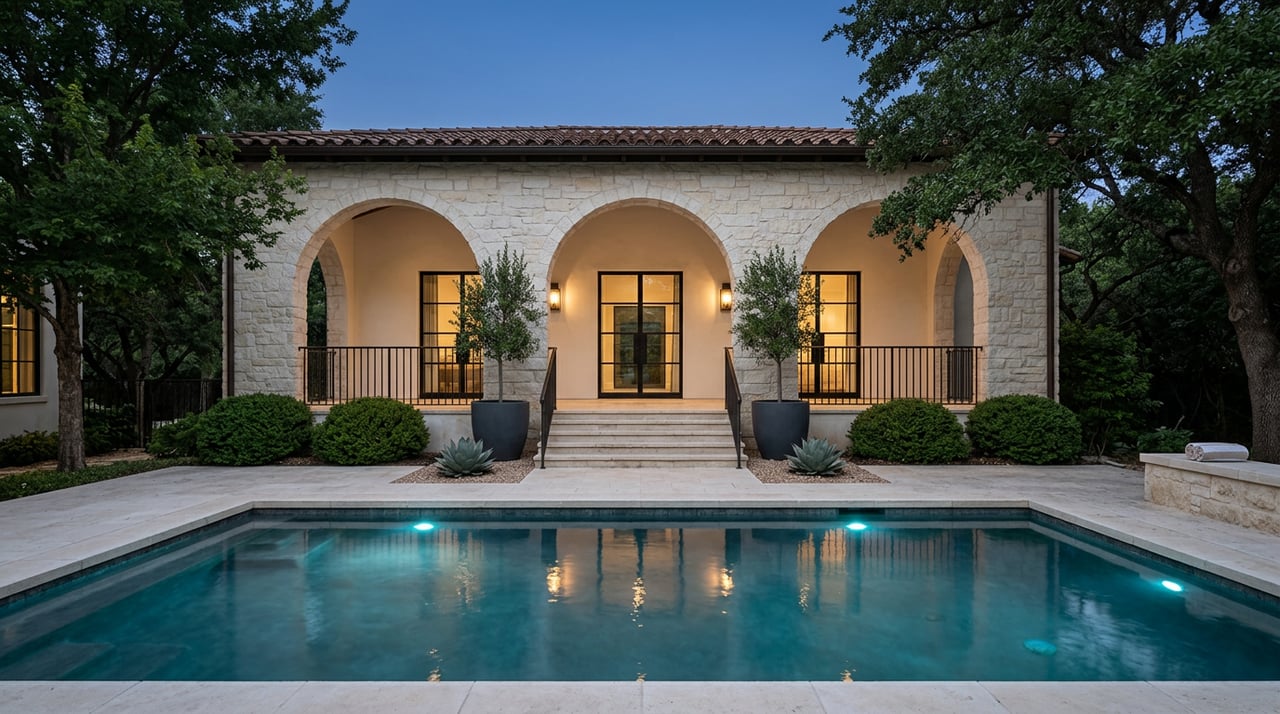
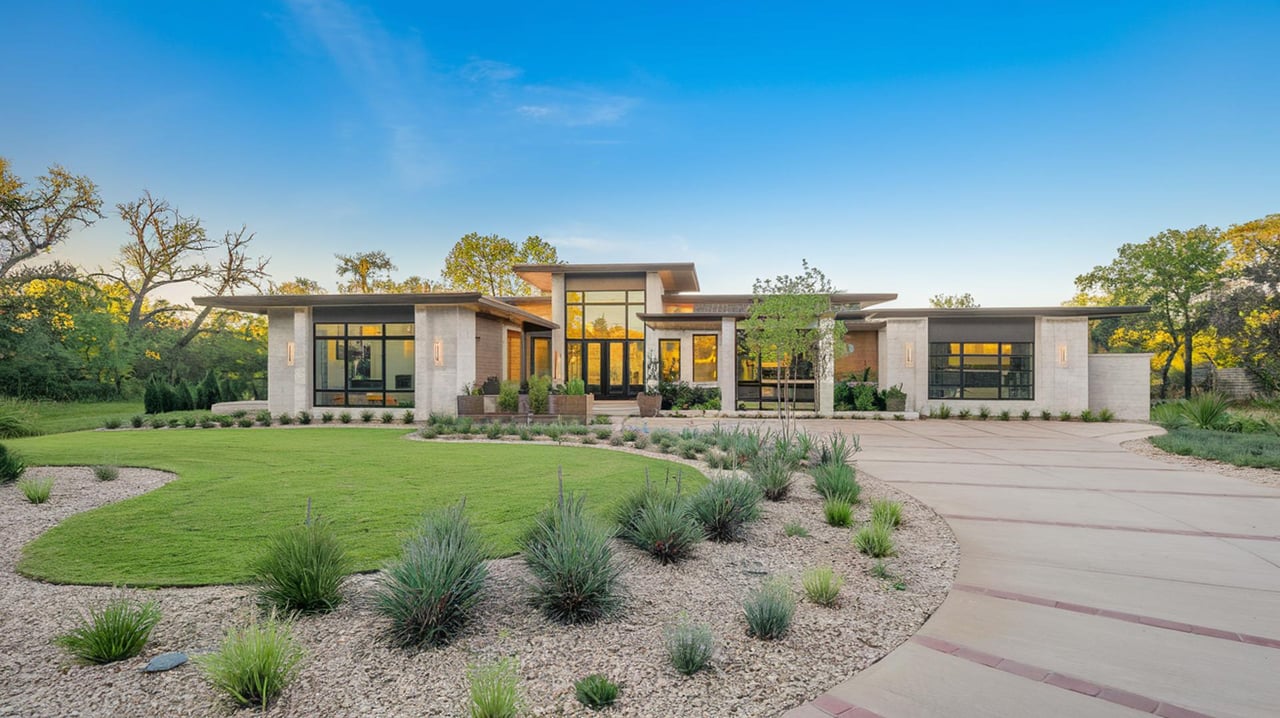
Eyeing a custom estate in Spanish Oaks or a lock-and-leave near Hill Country Galleria? If the price point stretches above typical limits, your mortgage will likely be a jumbo loan. That changes how lenders review your file, how fast you can close, and how strong your offer looks to a seller.
In this guide, you’ll learn what counts as a jumbo loan, what lenders require, how rates and products differ, and how to position your financing so your offer stands out in Bee Cave. You’ll also get a practical checklist and smart questions to ask. Let’s dive in.
What a jumbo loan means in Bee Cave
A jumbo loan is any mortgage that exceeds the conforming loan limit set by the Federal Housing Finance Agency. Conforming loans can be bought by Fannie Mae or Freddie Mac. Loans above the limit are jumbo and follow different underwriting rules.
- You can always confirm the current limit by checking the FHFA conforming loan limits.
- Limits update annually and can vary by property type and unit count.
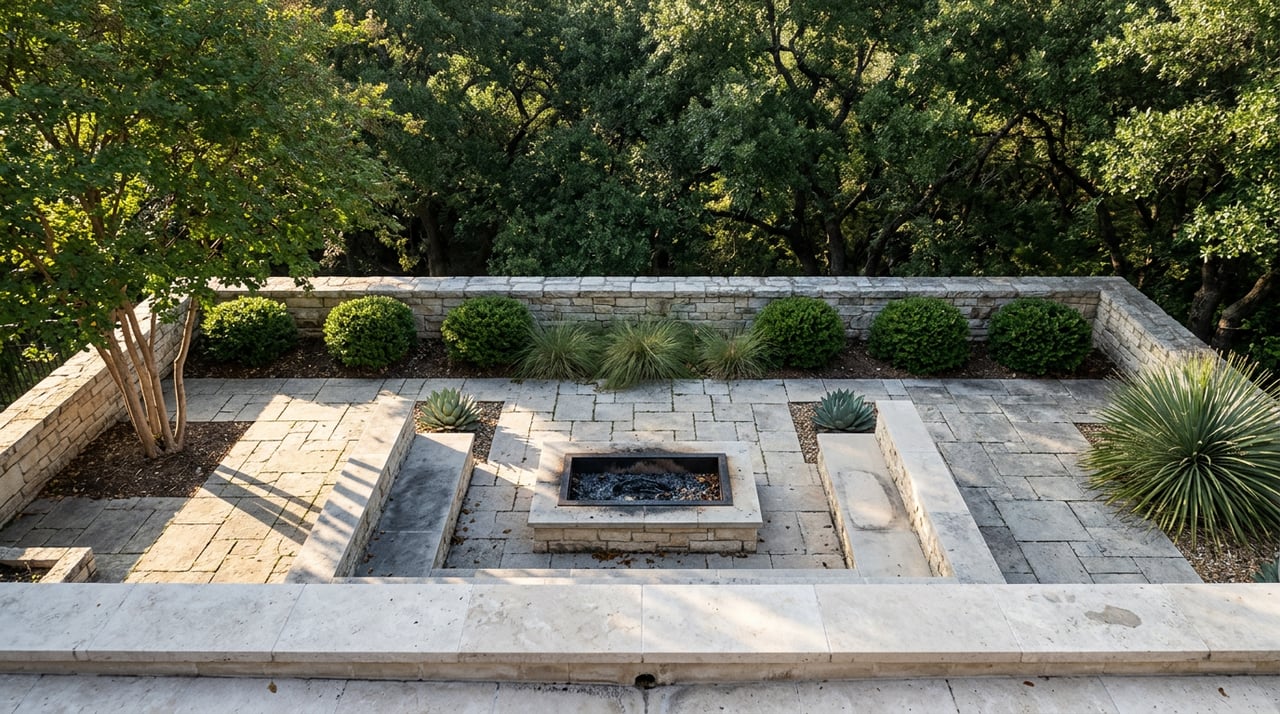
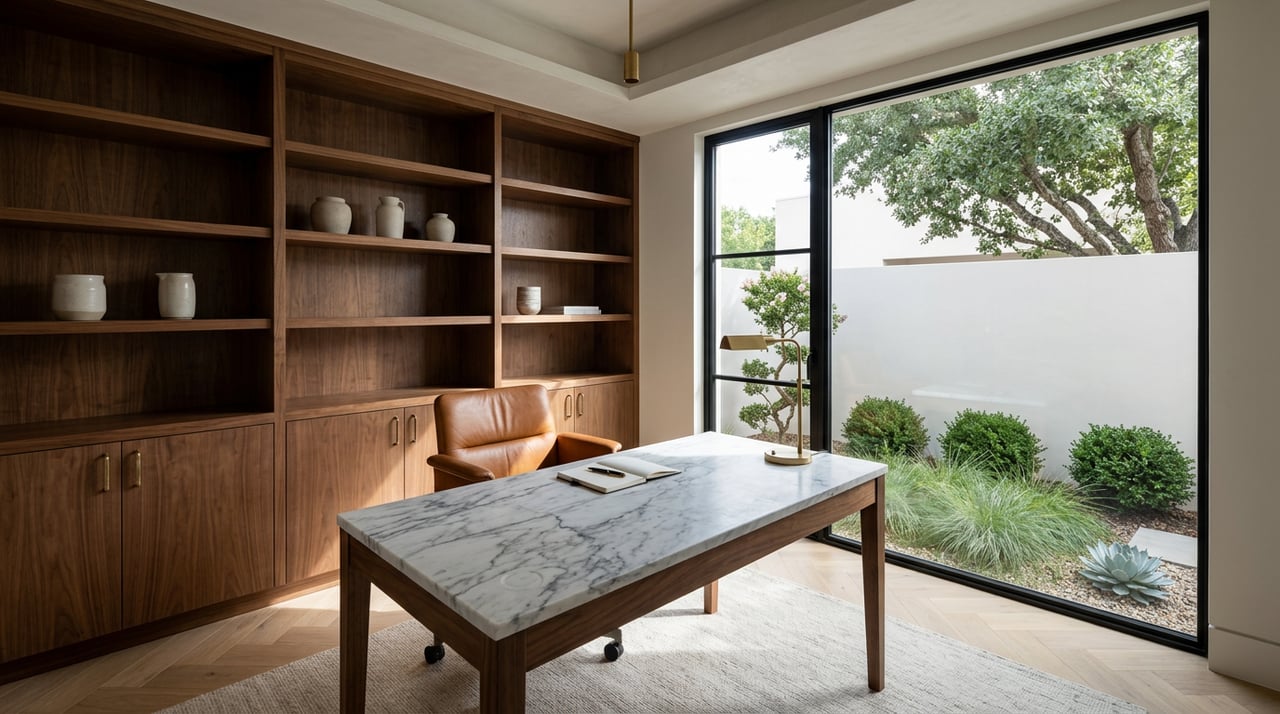
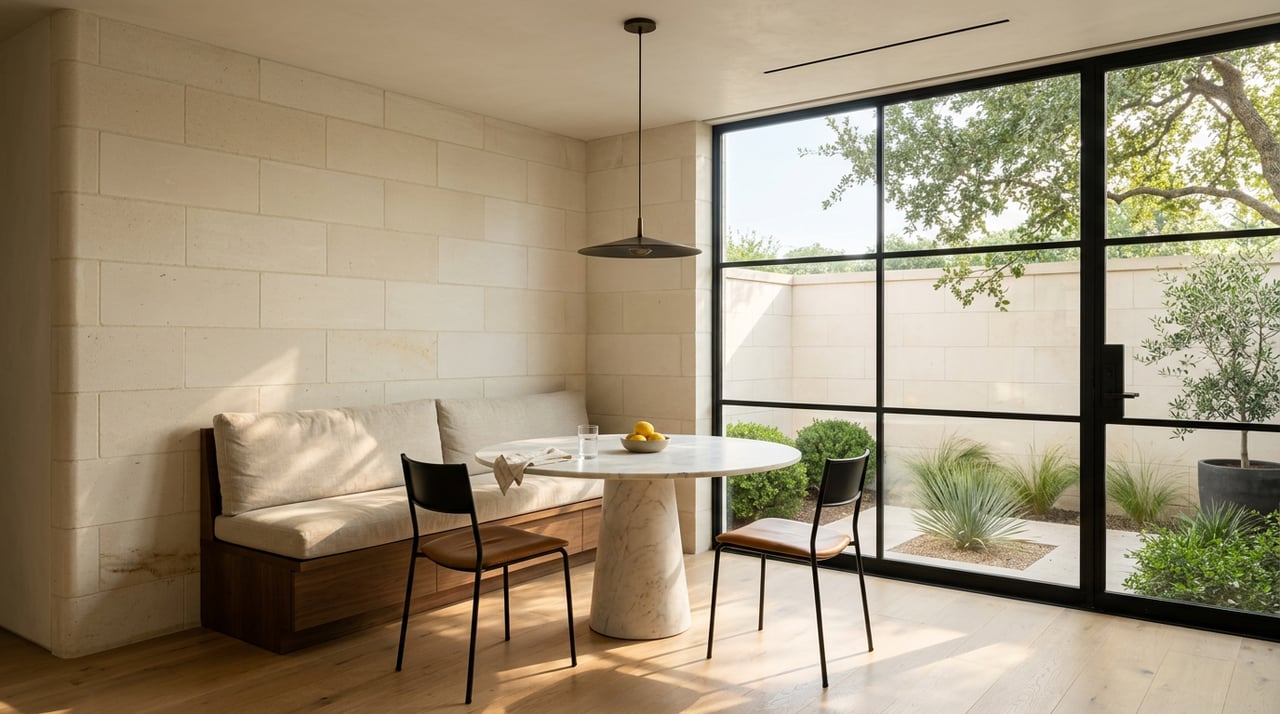
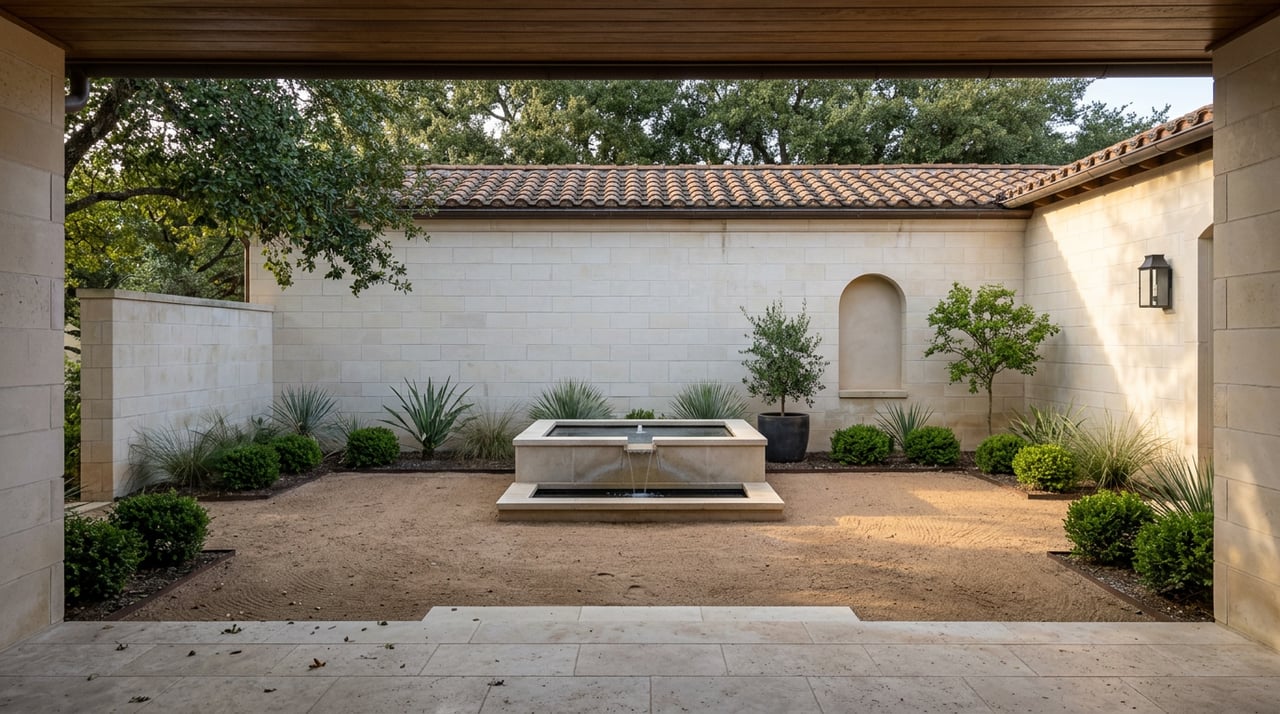
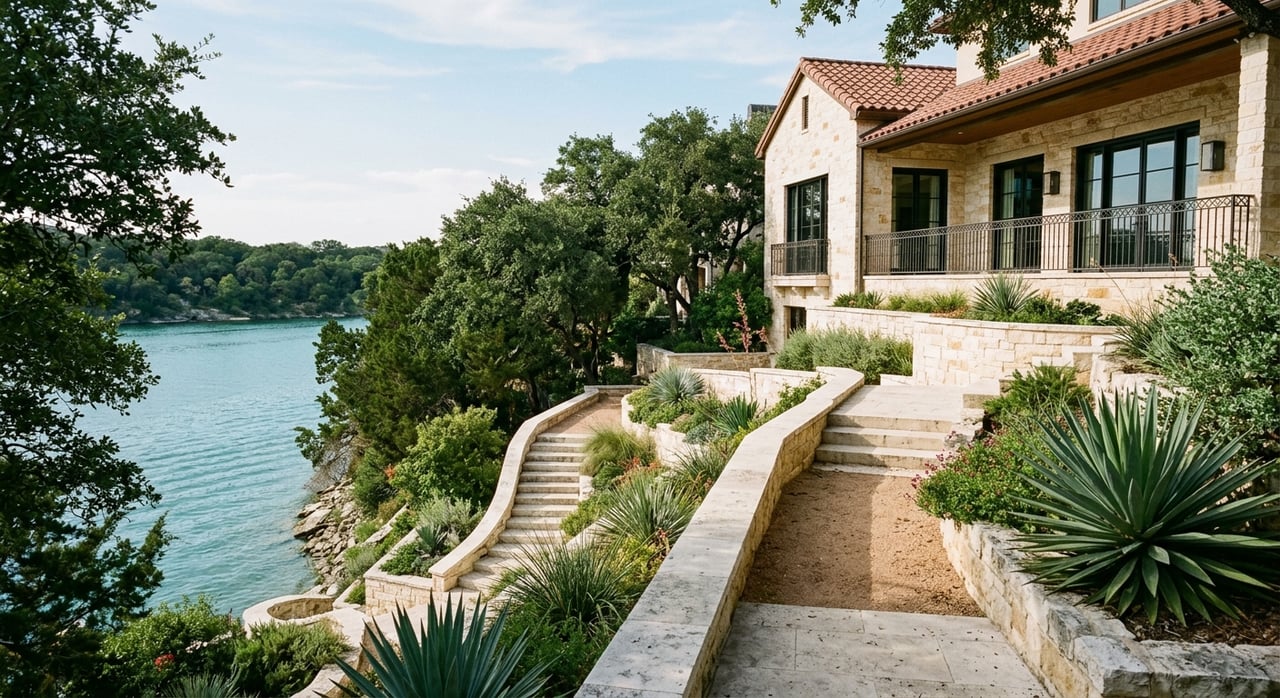
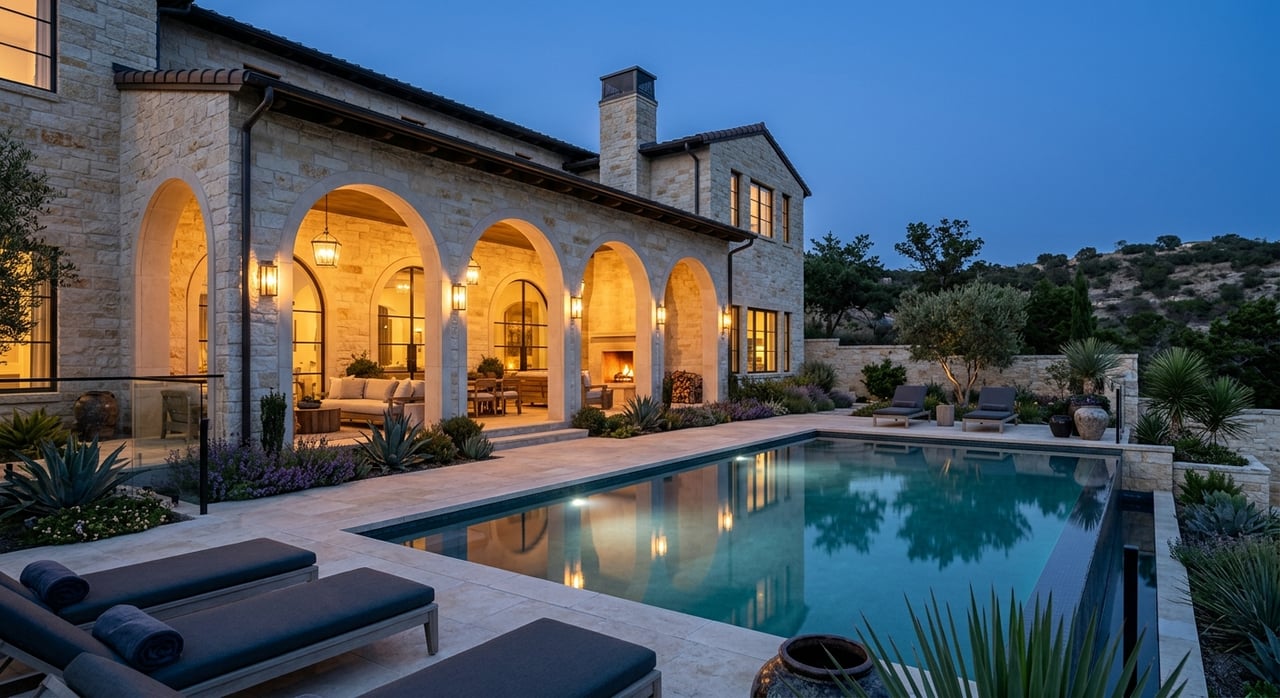
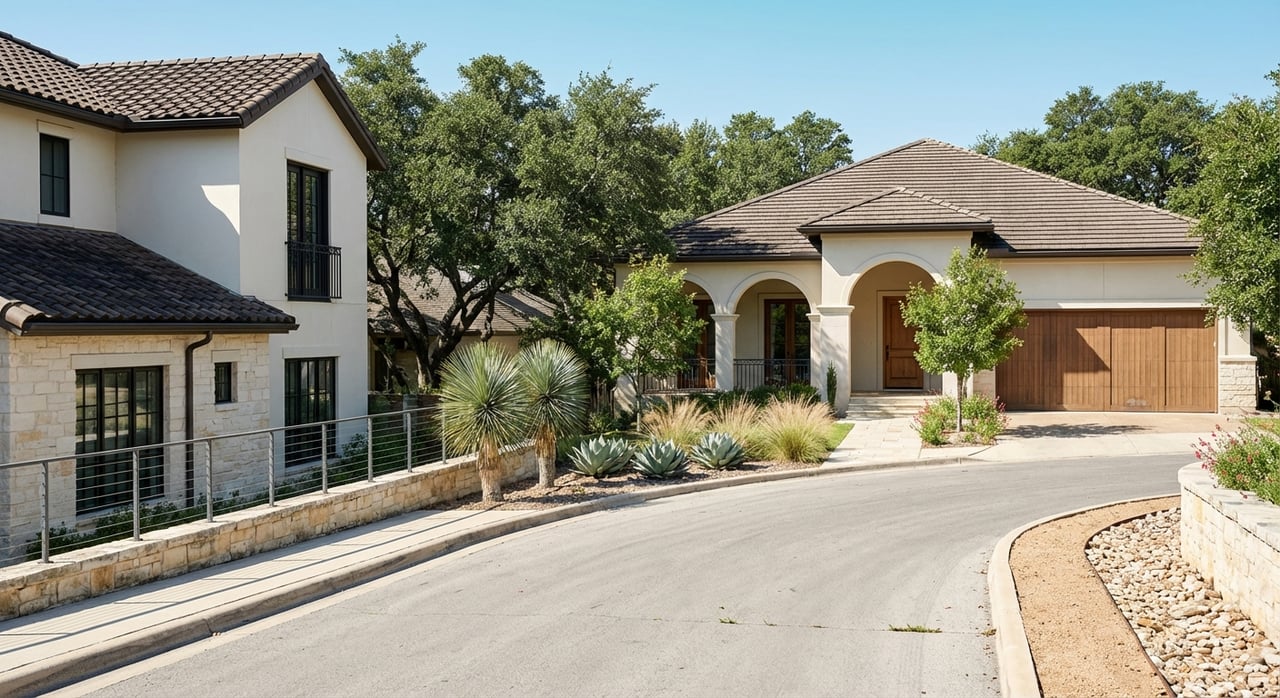
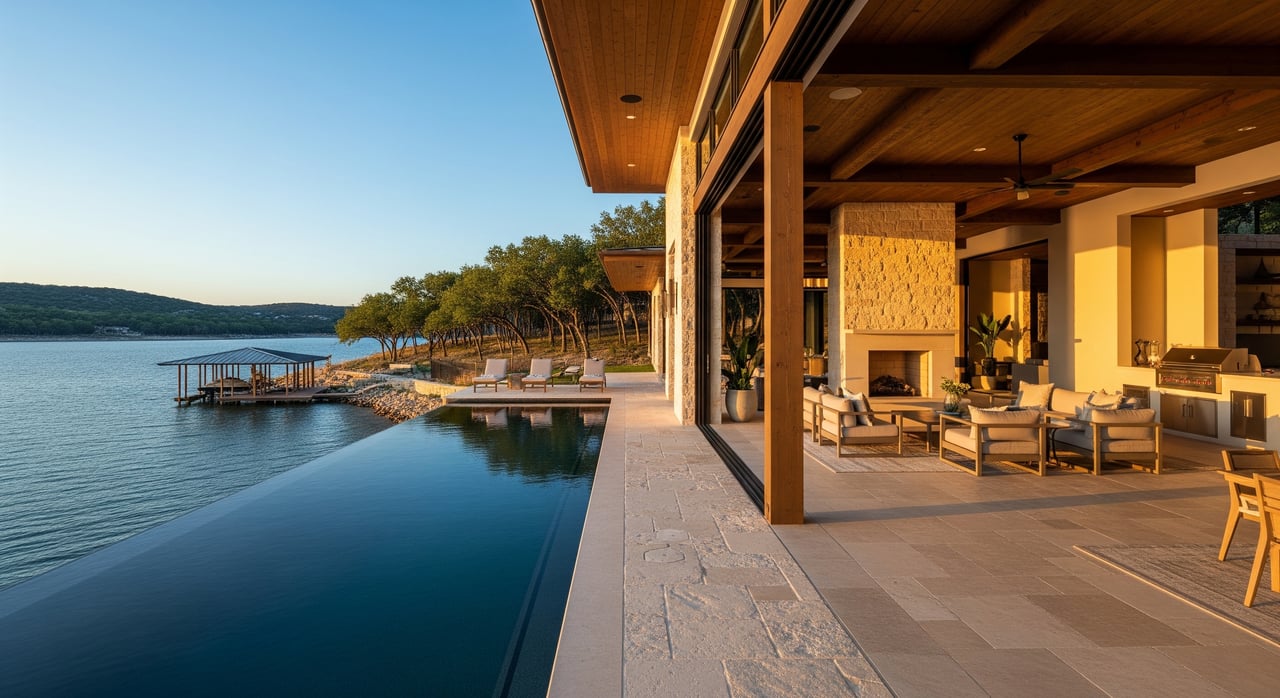
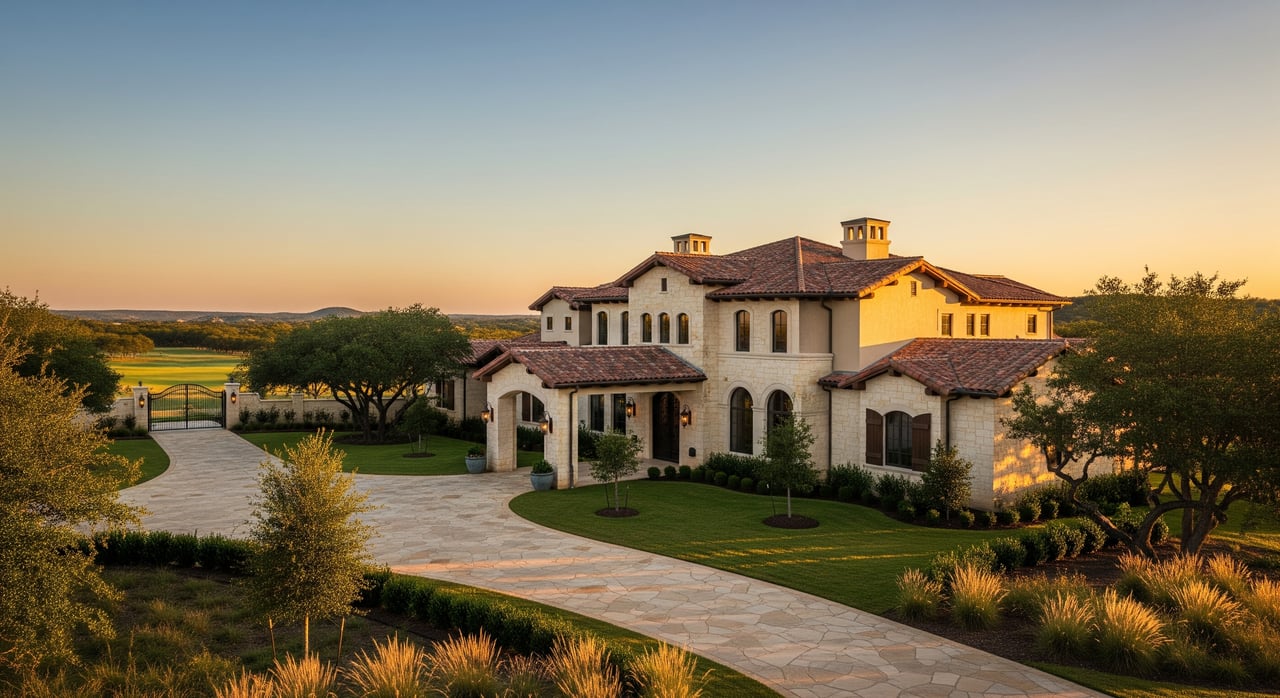
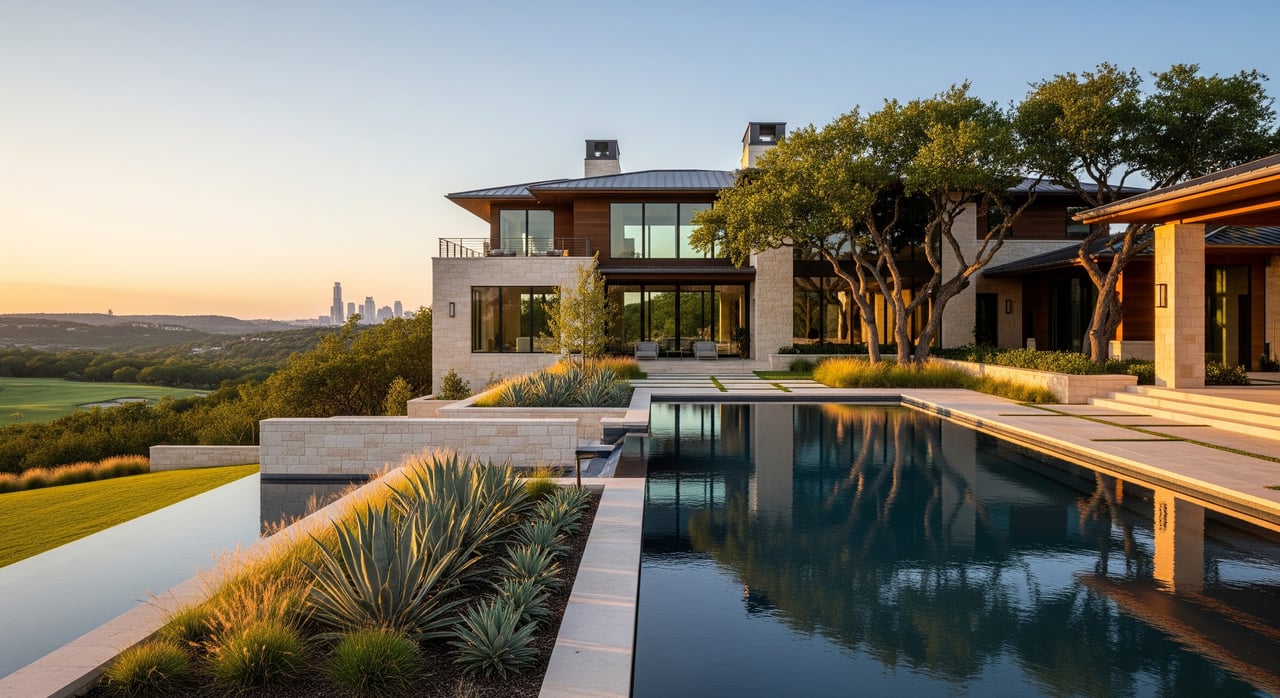
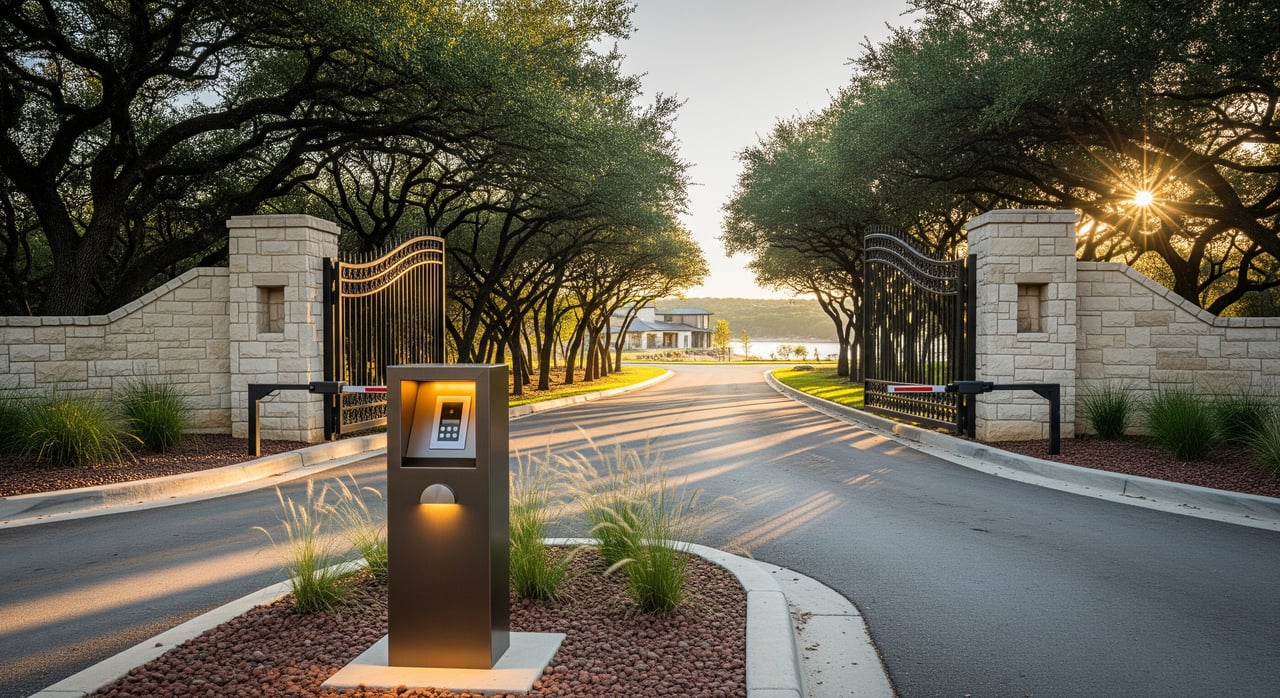
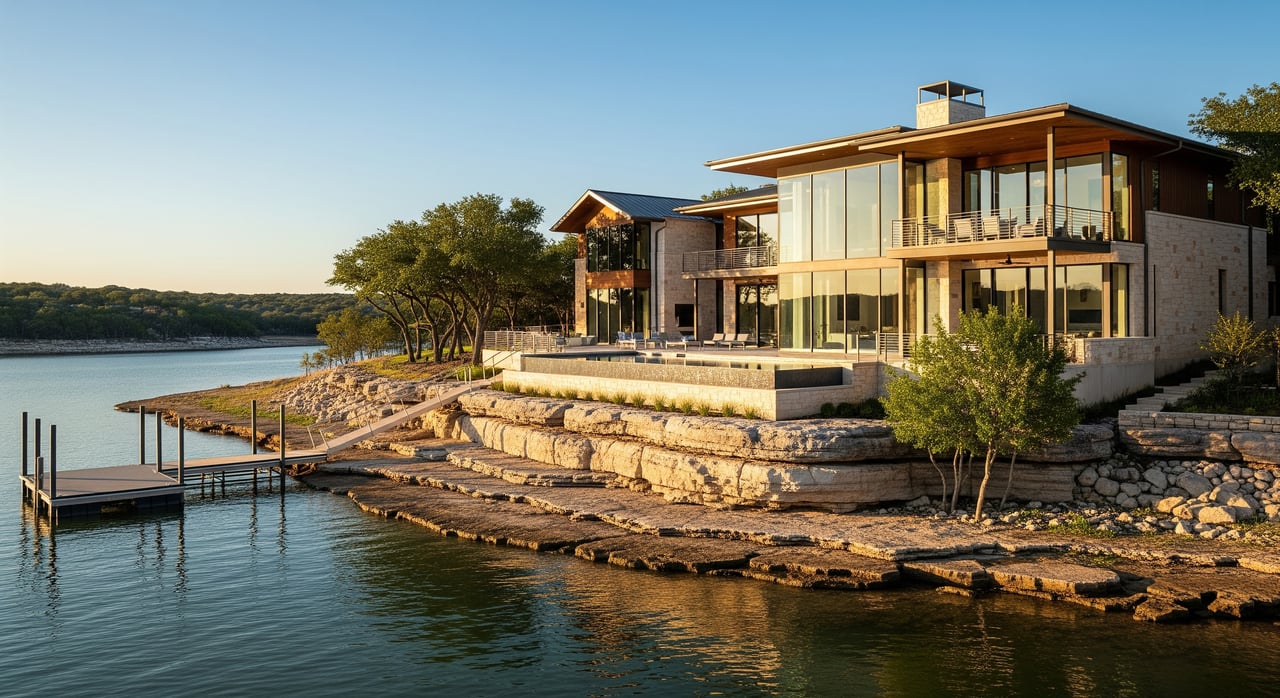
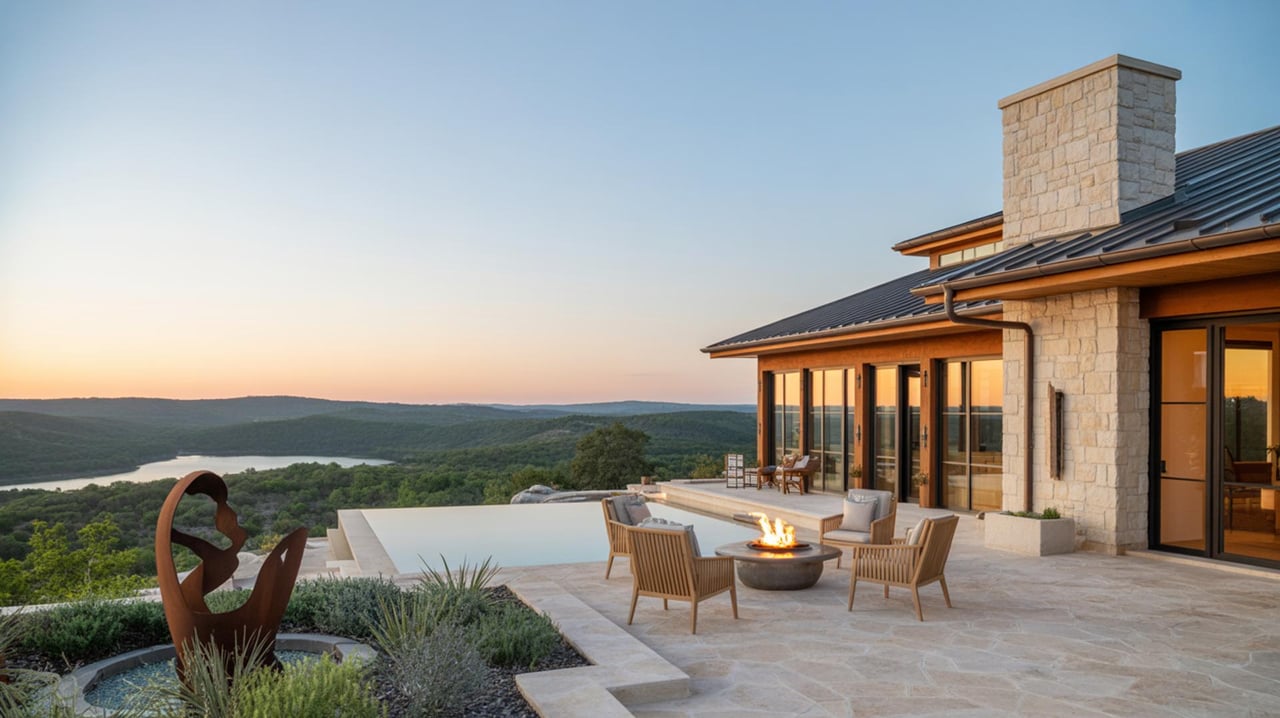
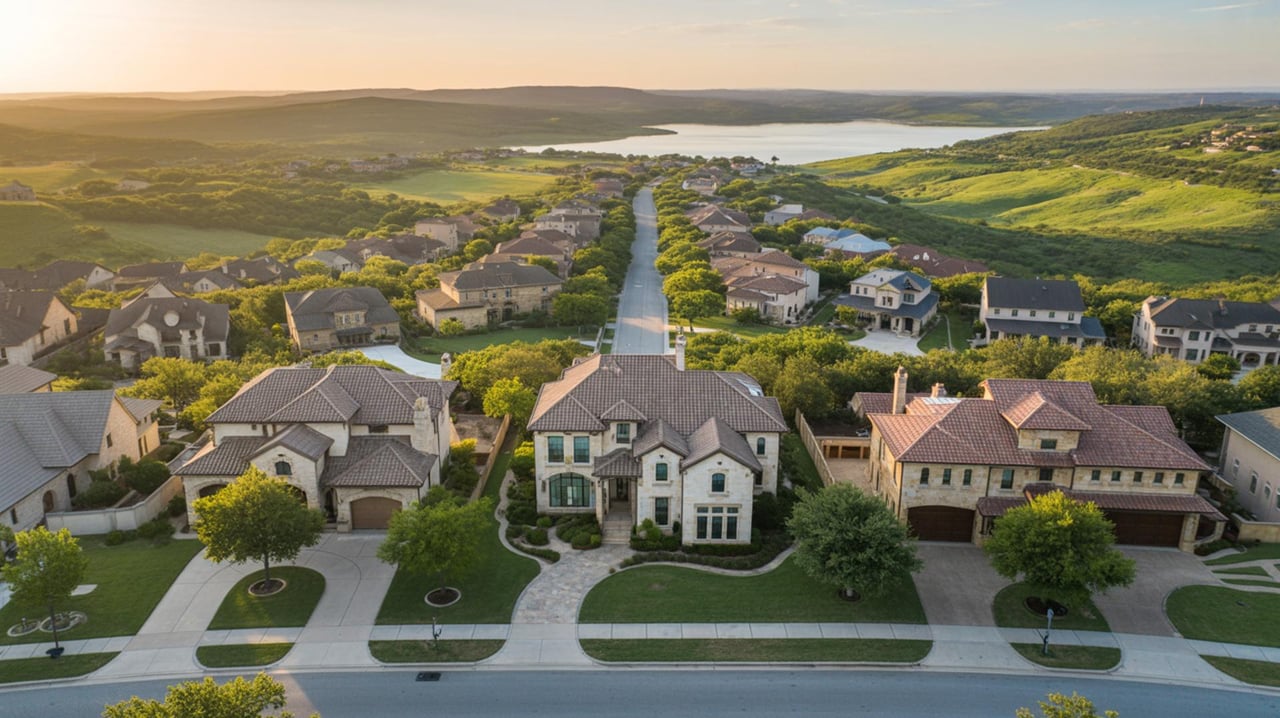
Why this matters locally: Many Bee Cave luxury homes, especially around Hill Country Galleria and Spanish Oaks, often exceed conforming limits. That means you will likely use jumbo financing or an alternate structure.
If you want a quick read on current pricing dynamics, review the Austin Board of REALTORS market reports and your agent’s on-the-ground comp analysis before you set a budget.
Jumbo underwriting: what lenders look for
Jumbo loans are underwritten more strictly because they are not sold to Fannie Mae or Freddie Mac. Expect deeper documentation and stronger borrower requirements. Exact terms vary by lender, but here are common ranges.
Credit, income, and cash
- Credit score: Often 700 to 760 plus for best pricing; some portfolio lenders allow lower with tradeoffs.
- Debt-to-income (DTI): Commonly capped around 43 to 50 percent depending on your profile and down payment.
- Reserves: Frequently 6 to 12 months of total housing payments; higher loan amounts or non-primary homes may require more.
- Down payment: Many programs allow 10 to 20 percent down for a primary residence; second homes and investment properties are more conservative.
Documents to gather early
- Two years of tax returns, W-2s and recent pay stubs, or business returns if self-employed.
- Two to three months of bank and investment account statements.
- Documentation for large deposits and gifts.
- Proof of reserves and funds for closing.
If you have complex income or liquidity, ask about bank-statement or asset-depletion programs. The CFPB overview of loan options explains documentation basics and consumer protections.
Property and appraisal factors in Bee Cave
- Appraisals: Expect a full appraisal and sometimes a second review on higher-priced or unique homes.
- Unique features: Views, acreage, guest houses, or nonstandard construction can complicate comps. Lenders will seek the closest comparable sales.
- Condos and HOAs: Some projects require additional review. Your lender may ask for HOA documents and budgets.
- Taxes and insurance: Local property taxes and insurance are part of your approval. For parcel details, visit the Travis County Appraisal District. City information is available at the City of Bee Cave.
Occupancy and timeline
- Primary home: Most flexible terms and pricing.
- Second home: Slightly tighter LTV and higher rates.
- Investment property: Highest requirements and reserves.
Jumbo files can take longer to underwrite due to extra documentation and potential appraisal reviews. Build cushion into your contract timelines and discuss financing contingency length with your agent.
Rates and products to know
How jumbo rates compare
Historically, jumbo rates are often a bit higher than conforming. In some markets and for very strong profiles, jumbo pricing can be similar or even better depending on lender appetite. Your credit, LTV, documentation type, and occupancy all influence pricing.
Product types luxury buyers use
- Conventional full-doc jumbo: Fixed or adjustable-rate options.
- Portfolio jumbos: Held by the bank with more flexible underwriting; helpful for complex income or assets.
- Non-QM and bank-statement loans: Useful for self-employed or high-net-worth buyers who do not fit standard documentation.
- Bridge loans and jumbo HELOCs: Provide short-term liquidity to purchase before selling your current home.
- Piggyback structures: Two-loan approaches that can help manage LTV or avoid mortgage insurance.
Points, buydowns, and locks
- Points can permanently reduce your rate; model the break-even based on how long you plan to hold the loan.
- Temporary buydowns may ease the first years’ payments but require careful comparison of total costs.
- In volatile markets, longer rate locks provide certainty but may cost more. Review options for float-downs or re-locks. The CFPB explains key concepts around locking your rate and closing costs.
Make your offer stand out in Bee Cave
Get fully underwritten, not just pre-qualified
A robust, fully documented pre-approval from a jumbo-capable lender signals strength. It tells a Bee Cave listing agent that your income, assets, and credit are verified and the lender is ready to close.
Show funds and structure your earnest money
Sellers often expect clear proof of funds for the down payment and reserves. A larger earnest money deposit and well-defined escrow timelines add confidence to your offer.
Prepare for appraisal variance
Custom homes with one-of-a-kind features can appraise unpredictably. You can strengthen your position by:
- Offering appraisal-gap coverage in a defined amount you are comfortable with.
- Increasing your down payment to lower LTV and ease lender review.
- Sharing context and recent comps with your lender to help appraisers understand the area.
Nail your timeline and communication
Sellers prefer predictable closings. Work with lenders who know local title teams, can commit to scheduling, and will communicate directly with the listing agent when needed.
A practical jumbo buyer checklist
- Early steps
- Contact jumbo-capable lenders and request a fully documented pre-approval.
- Gather tax returns, W-2s, pay stubs, two to three months of bank and investment statements, and explanations for large deposits.
- Prepare proof of reserves and down payment funds.
- If you are self-employed or have complex assets
- Ask about portfolio or non-QM options, bank-statement programs, and asset-depletion underwriting.
- Draft a net worth summary and letters explaining one-time deposits or liquidity events.
- Constructing a competitive offer
- Include your lender’s pre-approval letter and a direct contact for the loan officer.
- Decide in advance how much appraisal-gap you are willing to cover.
- Coordinate inspection timing and closing date to match appraisal and underwriting timelines.
- Closing readiness
- Confirm appraisal ordering within 24 to 48 hours of contract and track delivery dates.
- Align your title company with lender requirements and wiring instructions.
Smart questions to ask local lenders
- What conforming limit applies today, and at what amount do you switch to jumbo underwriting for Travis County?
- What minimum credit score, reserves, and DTI do you require at 80 percent LTV? At 90 percent LTV?
- Do you offer portfolio or non-QM jumbo options for self-employed borrowers, and what documentation do you need?
- How do you underwrite Bee Cave properties with acreage, guest houses, or unique construction features?
- What is your typical appraisal turnaround for jumbos, and when do you require a second appraisal?
- How do your jumbo rates compare with conforming for a similar profile this week?
- Do you offer bridge loans or jumbo HELOCs so I can buy before selling my current home?
Common pitfalls to avoid
- Relying on a soft pre-qualification instead of a full underwritten pre-approval.
- Underestimating reserves and cash needed for taxes, insurance, HOA transfer fees, or assessments.
- Overlooking appraisal risk on unique properties and not planning appraisal-gap coverage.
- Using very high LTV or alternative documentation without confirming the lender’s overlays and timeline.
Work with a local advisor who knows Bee Cave
The luxury segments around Hill Country Galleria and Spanish Oaks move fast and reward clean, confident financing. When you pair a strong jumbo strategy with expert local guidance, you give yourself an edge from the first showing to a smooth close.
If you are exploring jumbo financing or want a private preview of Bee Cave listings, connect with Steve Dedear for neighborhood insights, tailored search strategies, and concierge-level representation.
FAQs
What counts as a jumbo loan in Travis County?
- A jumbo is any loan above the current FHFA conforming limit for your property type; verify the latest threshold on the FHFA conforming loan limits page.
How much down payment do I need for a jumbo in Bee Cave?
- Many lenders allow 10 to 20 percent down for primary residences, with stricter limits for second homes and investments; exact requirements vary by lender and profile.
Are jumbo mortgage rates higher than conforming rates?
- Often yes, but not always; in some markets and for strong borrowers, jumbo pricing can be similar or even better depending on lender appetite.
How long does a jumbo loan take to close?
- Expect a bit longer than a standard conforming loan due to added documentation and potential appraisal reviews; build extra time into your contract.
Can I buy before selling my current home?
- Many buyers use bridge loans or jumbo HELOCs to access short-term liquidity, then refinance or pay down after their sale; discuss timing and costs with your lender.