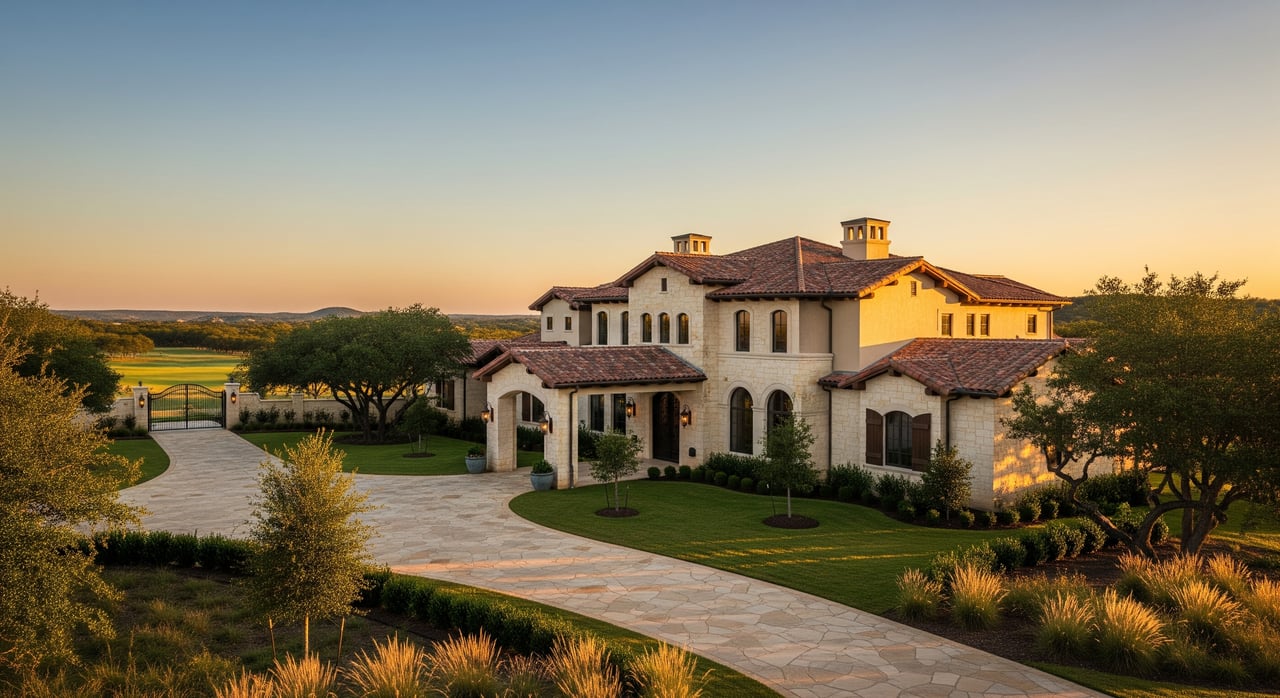
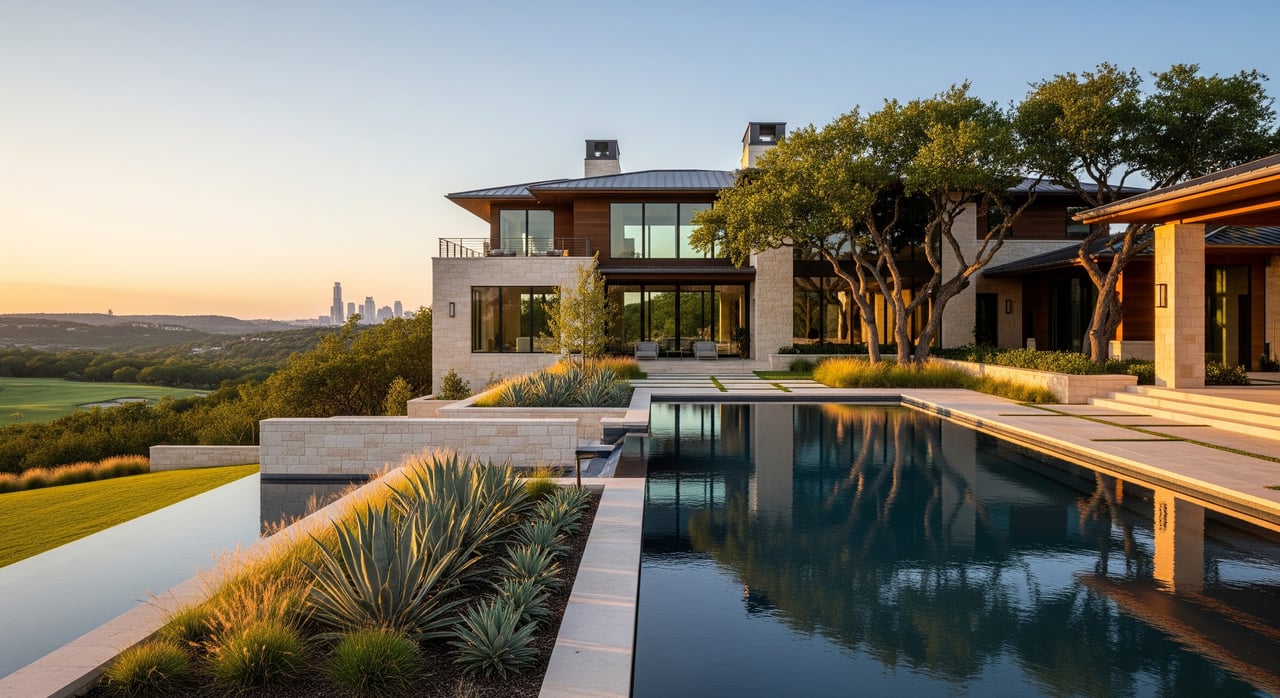
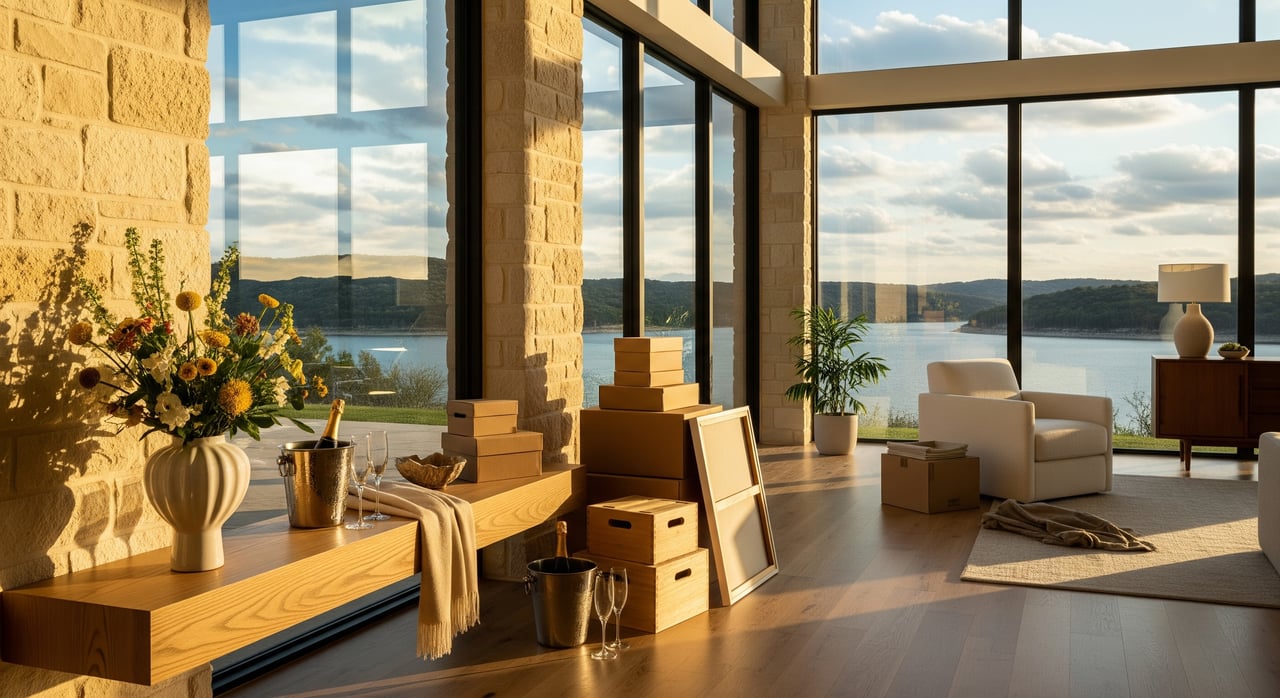
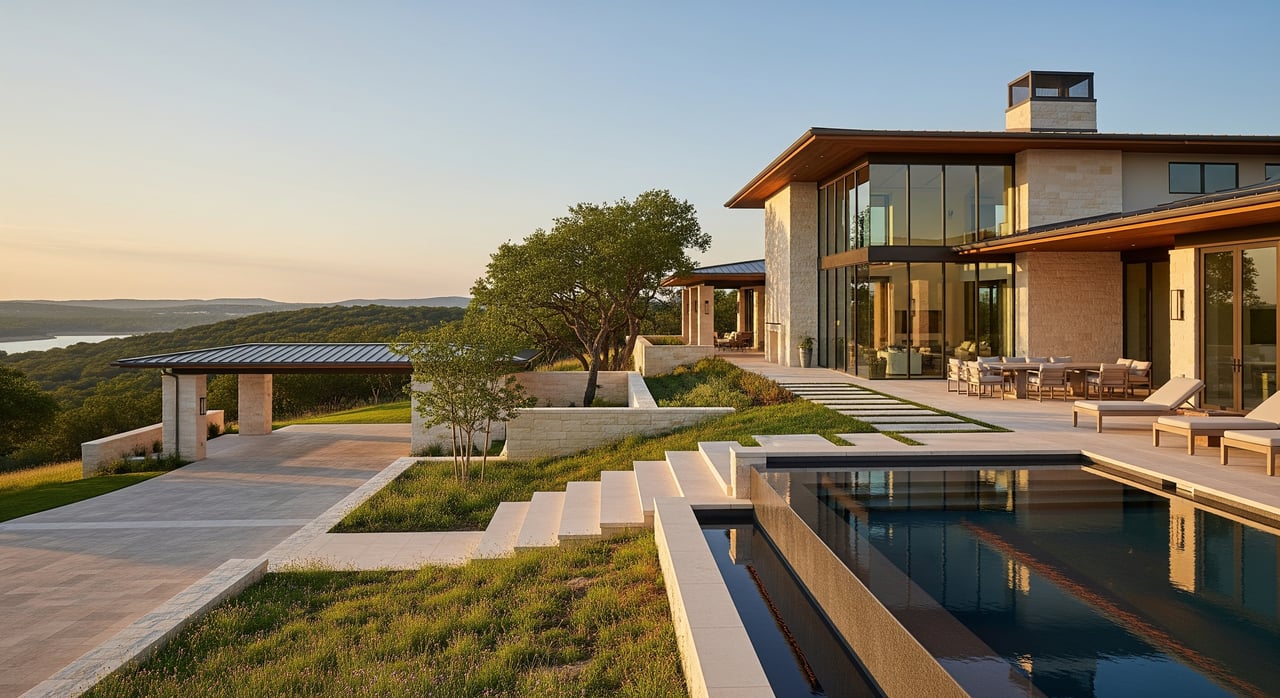
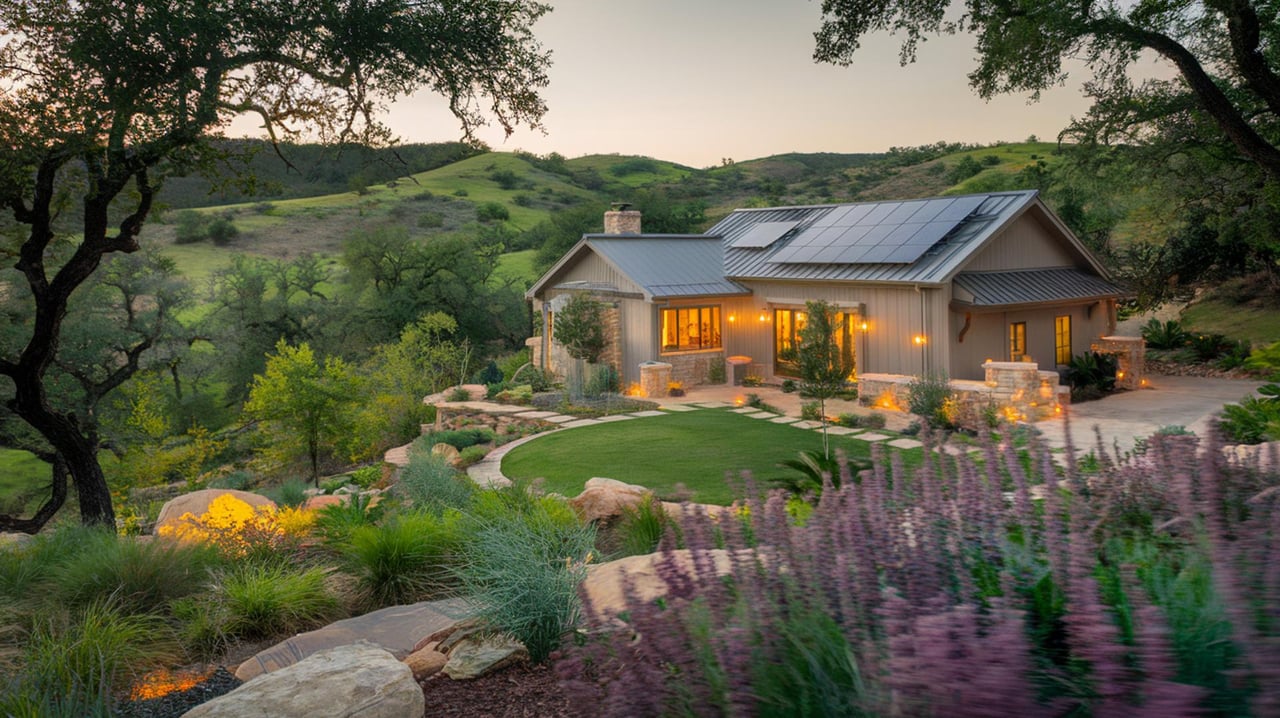
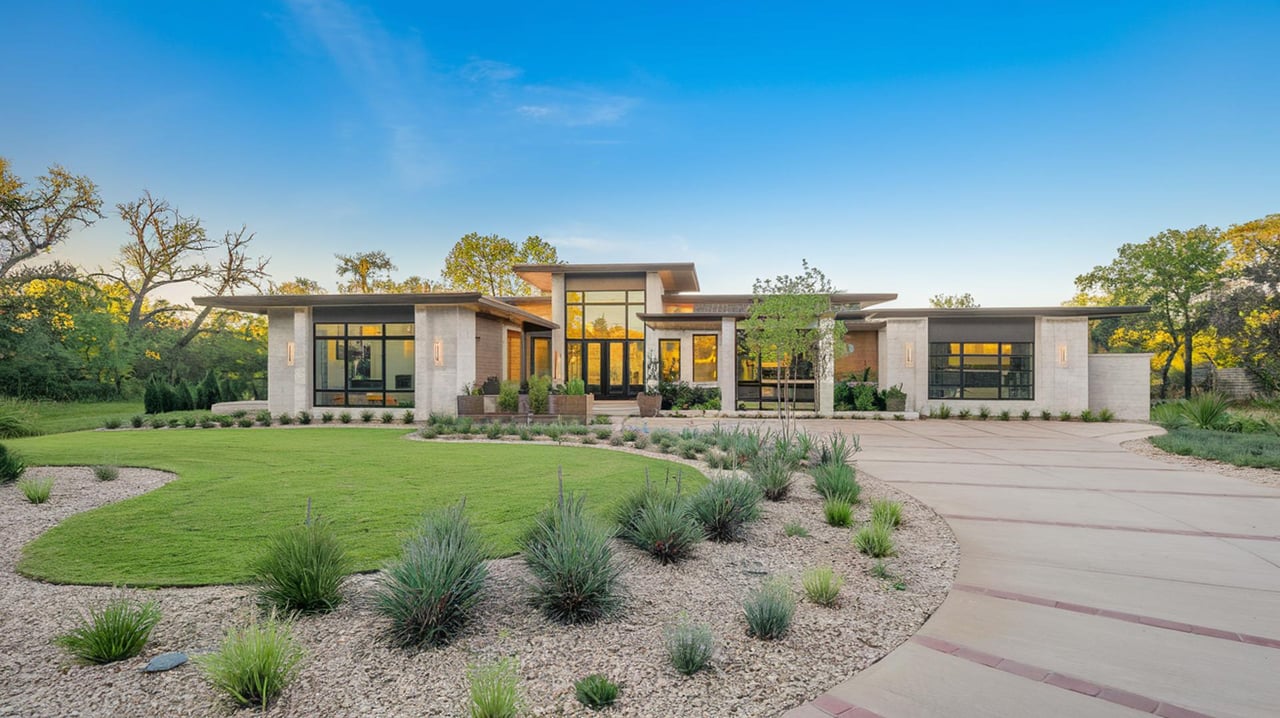
Looking for space, privacy, and a slower pace without feeling cut off from Austin? That is exactly why many luxury buyers start paying close attention to Dripping Springs. If you are wondering what daily life is really like on a Hill Country estate here, this guide will walk you through the lifestyle, the tradeoffs, and the practical details that matter before you buy. Let’s dive in.
Why Dripping Springs Feels Different
Dripping Springs calls itself the Gateway to the Hill Country, and that identity shows up in everyday life. The city says it is about 25 minutes west of Austin, but the experience feels far more rooted in open land, rolling hills, and quieter evenings than in urban bustle.
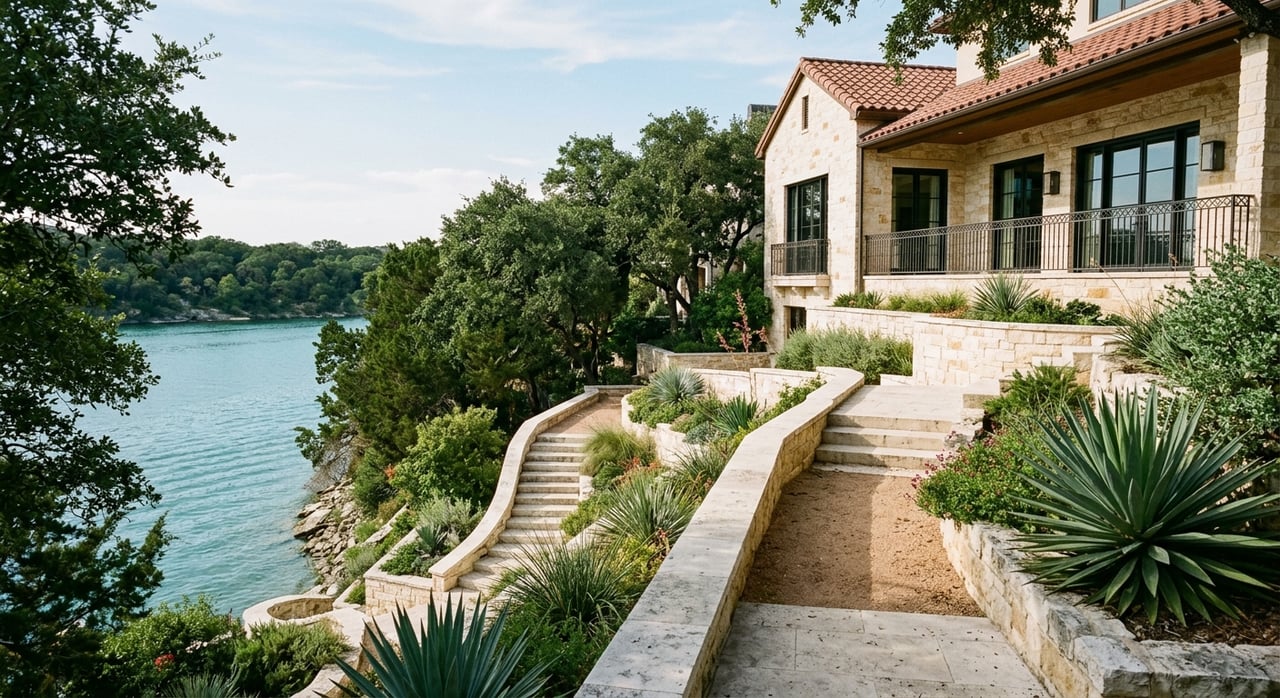
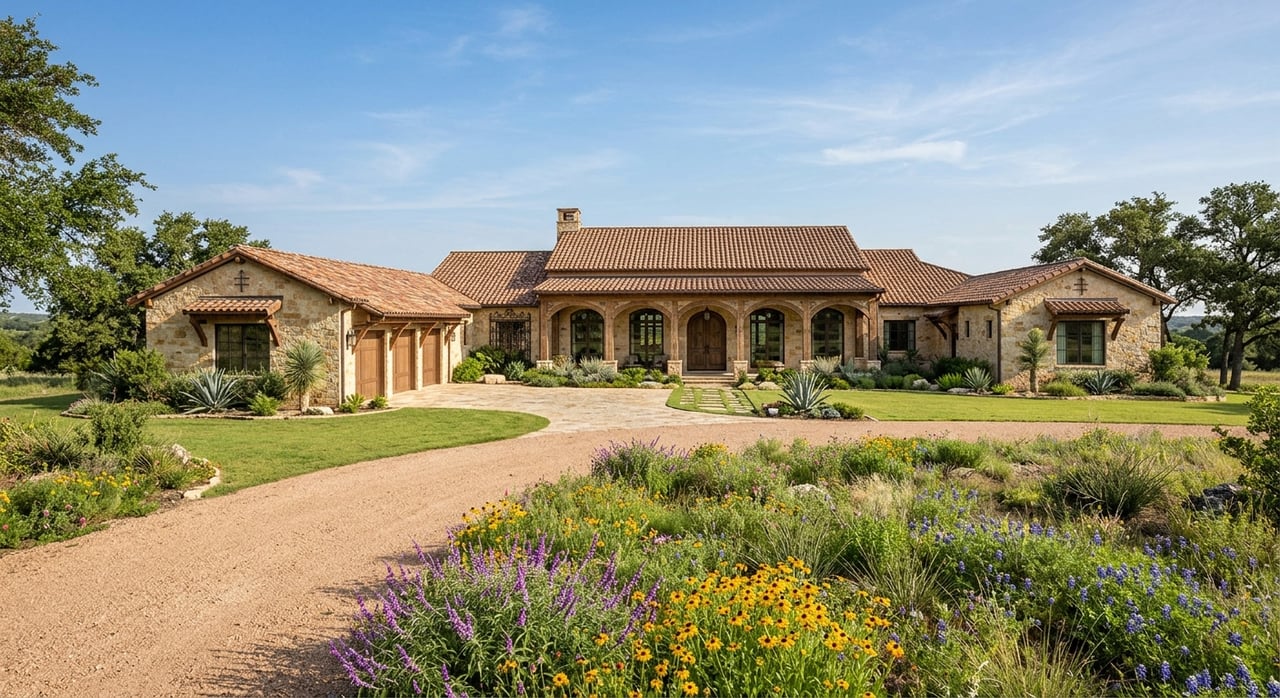
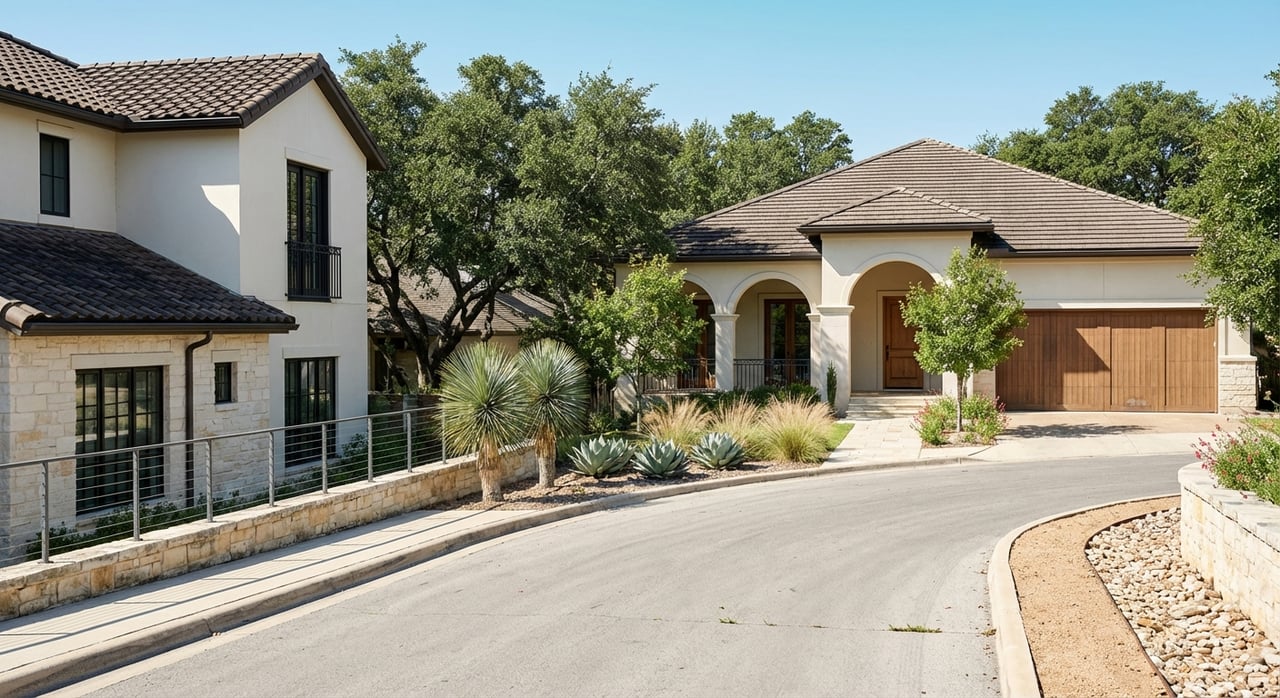
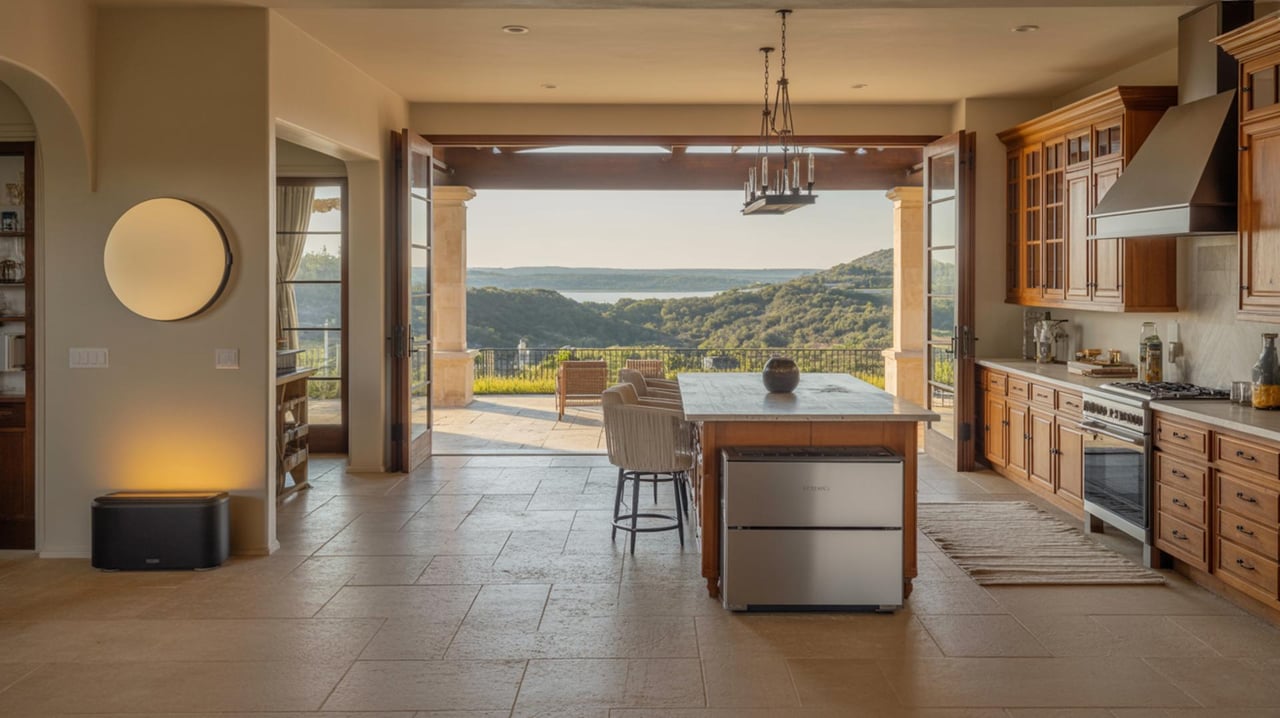
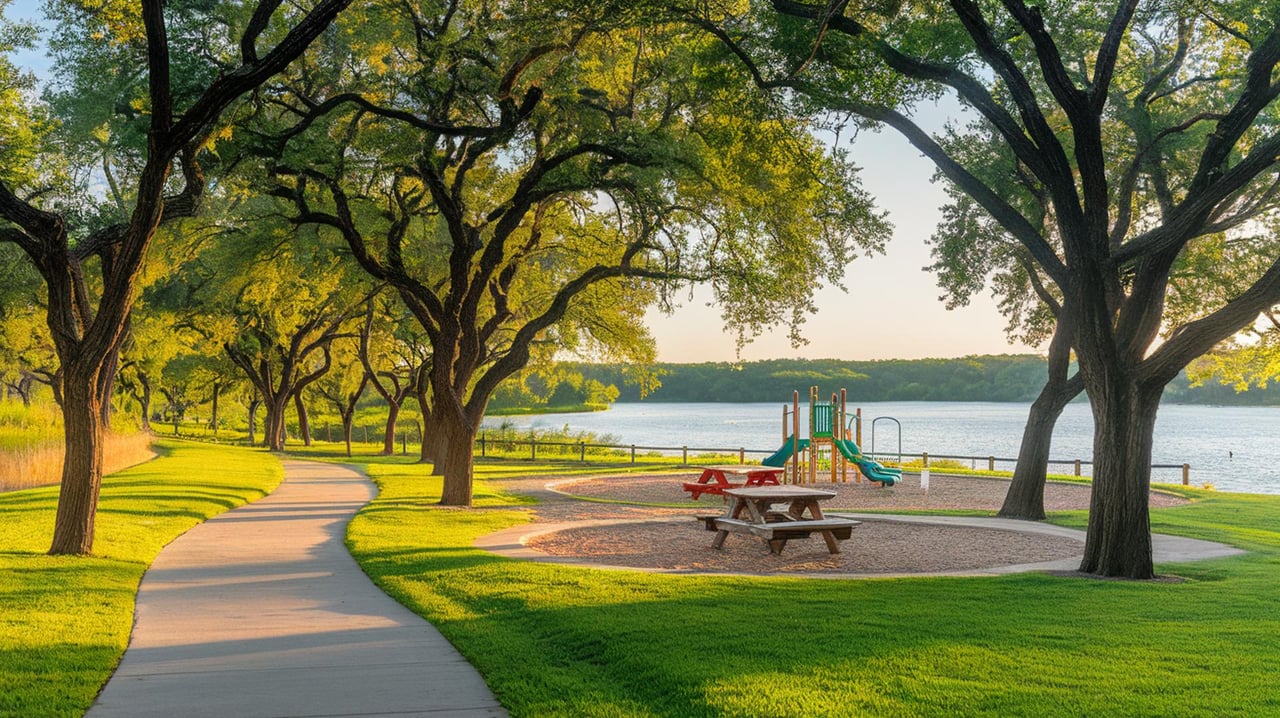
This is a place where the setting shapes the lifestyle. With 571.29 acres in the city parks system serving roughly 25,000 residents in the city and ETJ, Dripping Springs feels landscape-first rather than tightly built out. For you as an estate owner, that often means longer views, more breathing room, and a stronger sense of privacy.
The city also highlights its small-town feel, parks, recreation, live music, breweries, and wineries. That mix creates a version of luxury that feels relaxed rather than overly formal. In Dripping Springs, the appeal is often less about being in the center of everything and more about having room to enjoy where you are.
What Estate Living Feels Like Day to Day
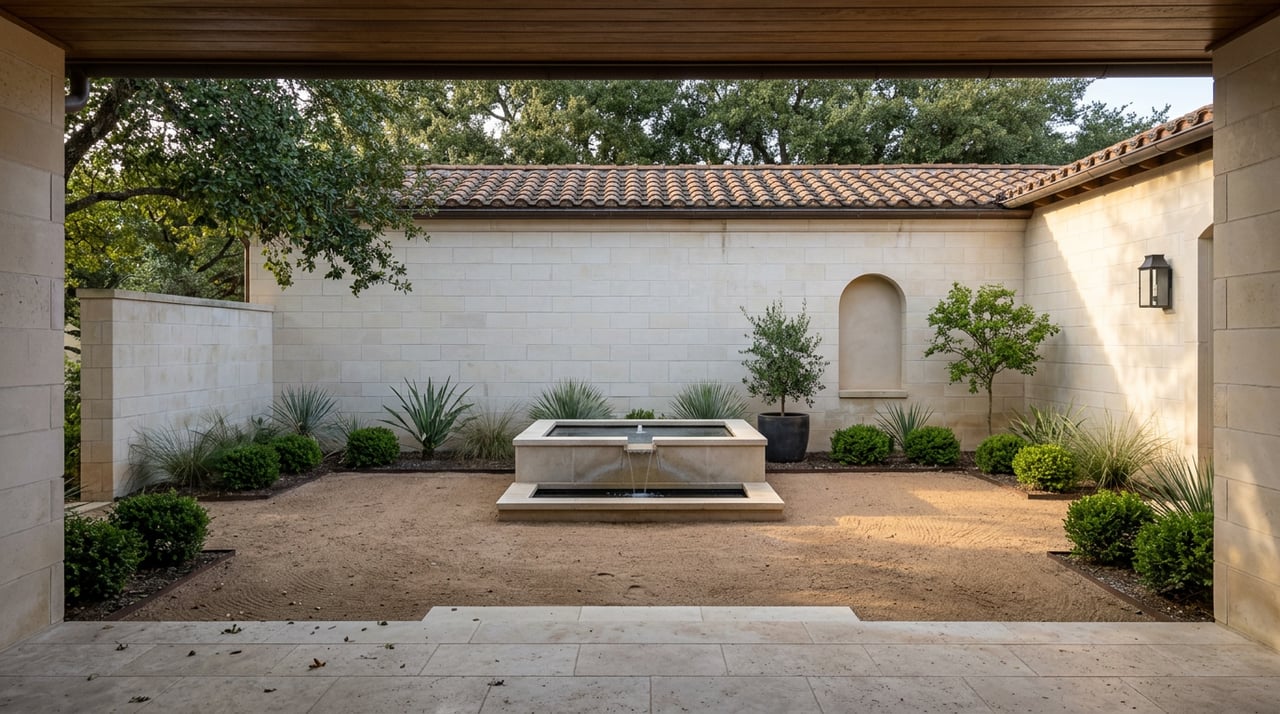
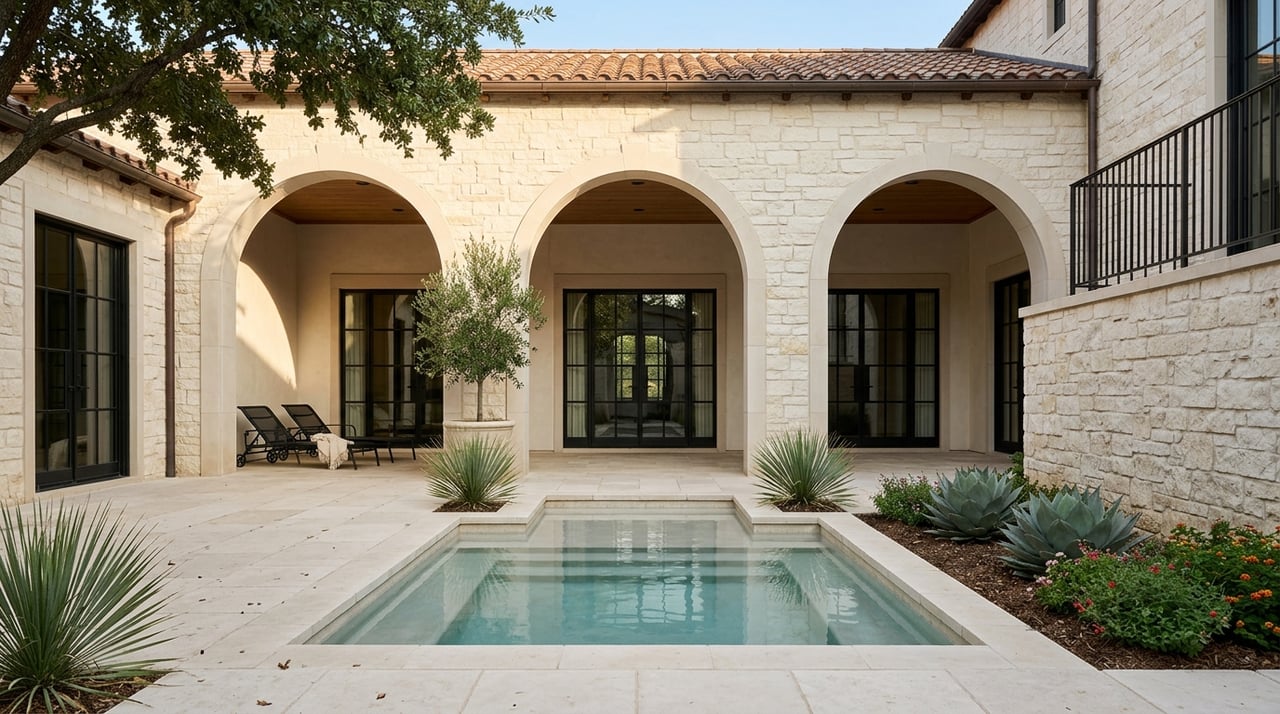
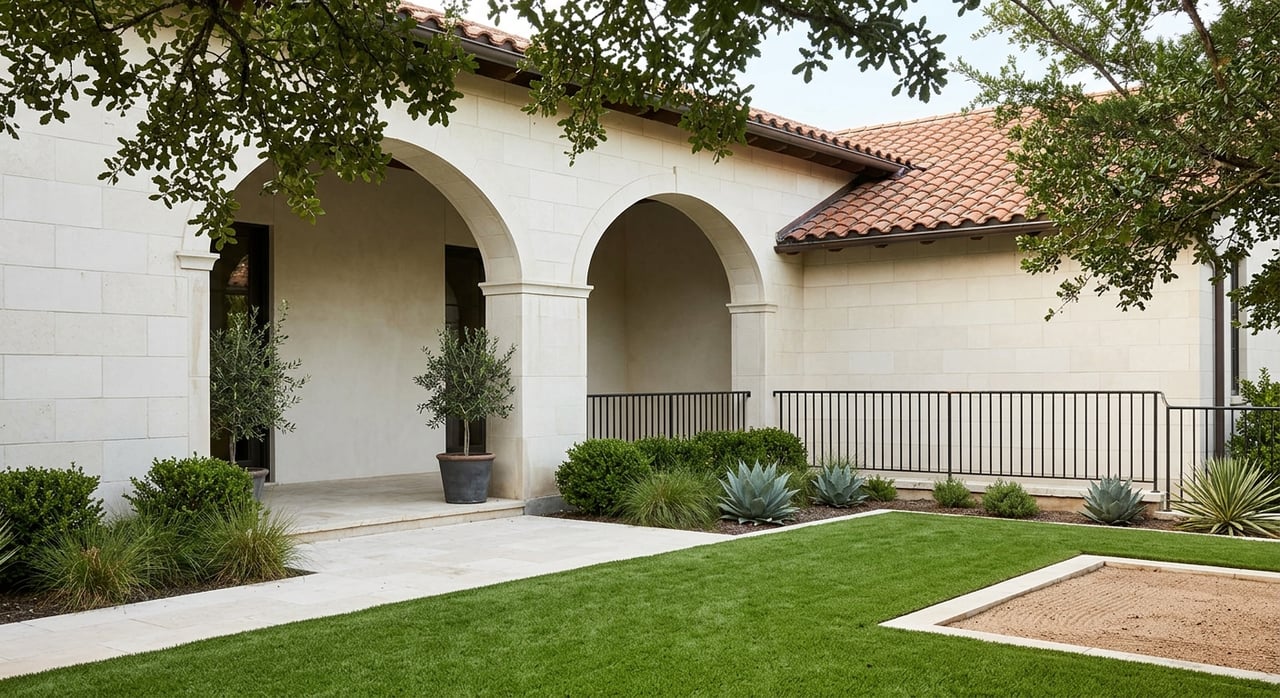
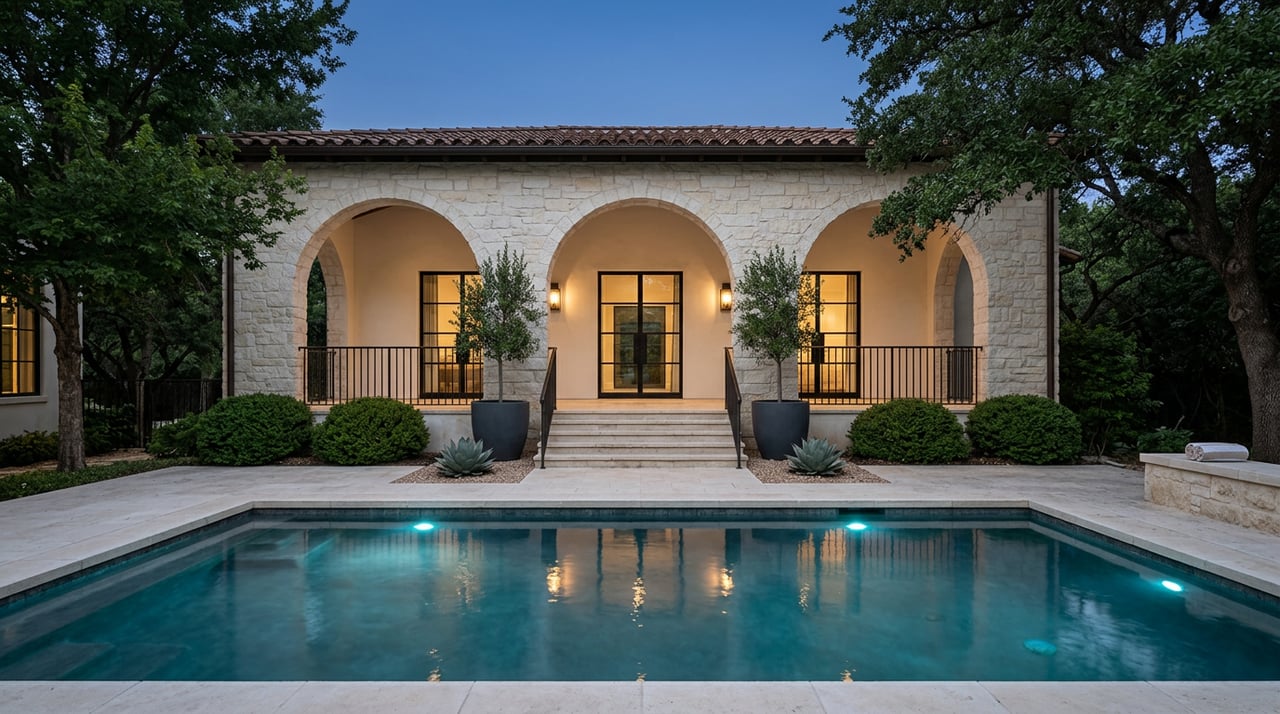
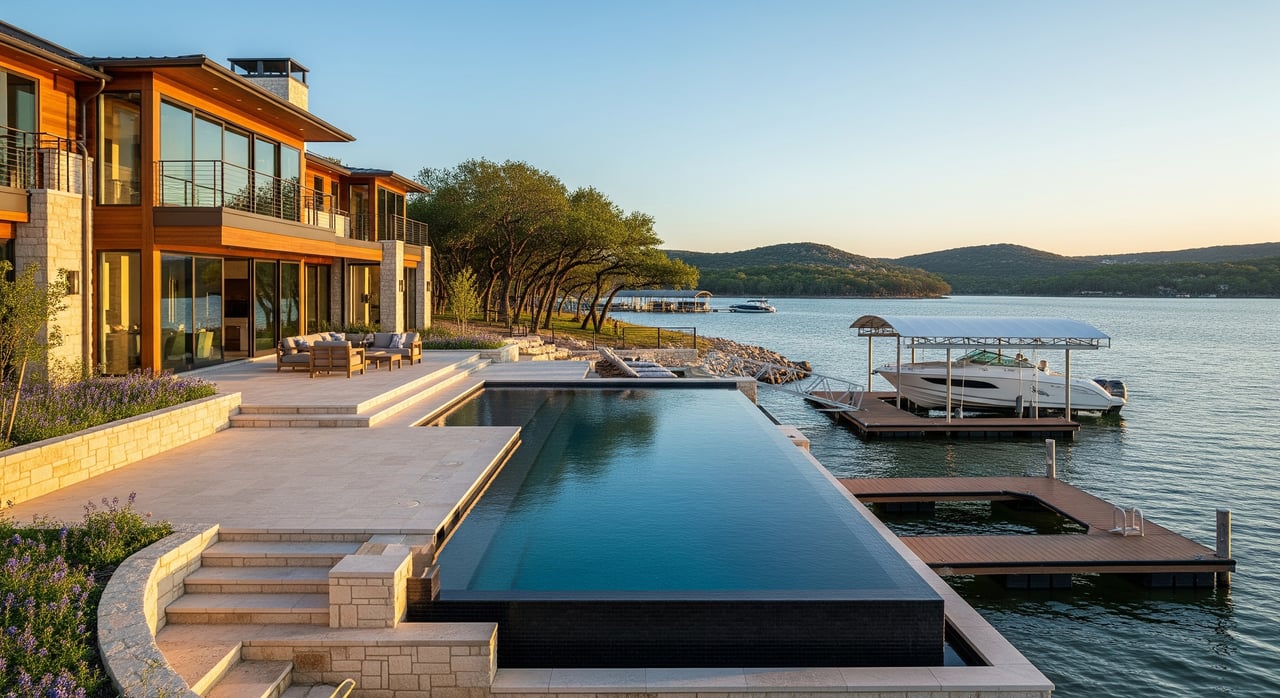
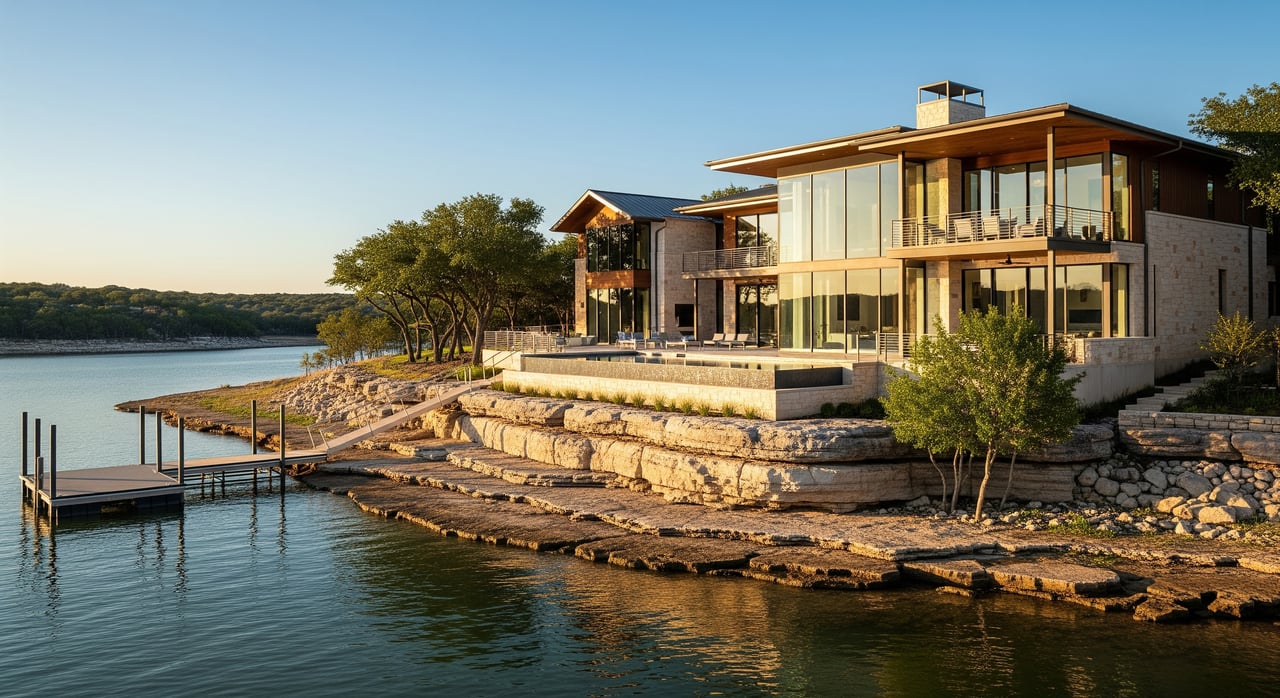
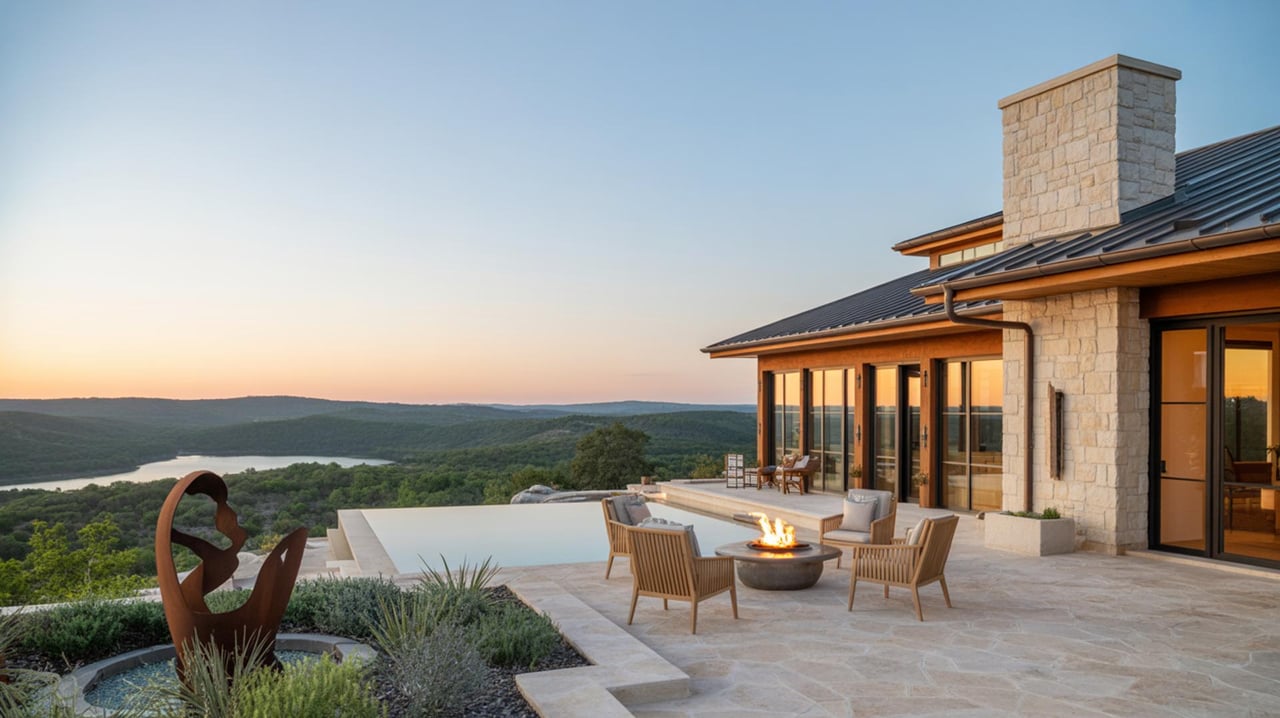
Owning a Hill Country estate in Dripping Springs usually means your daily routine connects more to the land than to a dense amenity grid. You may start the morning with broad sky views, spend evenings outside, and plan your week around local outings instead of packed commercial districts.
That outdoor rhythm is easy to see in the destinations nearby. Pedernales Falls State Park offers hiking, camping, mountain biking, picnicking, bird watching, geocaching, and horseback riding. Hamilton Pool Preserve is reservation-only every day, does not allow pets, and does not guarantee swimming, while Westcave Outdoor Discovery Center is visited by guided tour only and by reservation.
Those details matter because they show what the area prioritizes. Dripping Springs is not trying to be a walkable urban center. It is a Hill Country community where access to nature, scenic drives, and outdoor experiences often define the quality of life.
A Community Rhythm That Still Feels Local
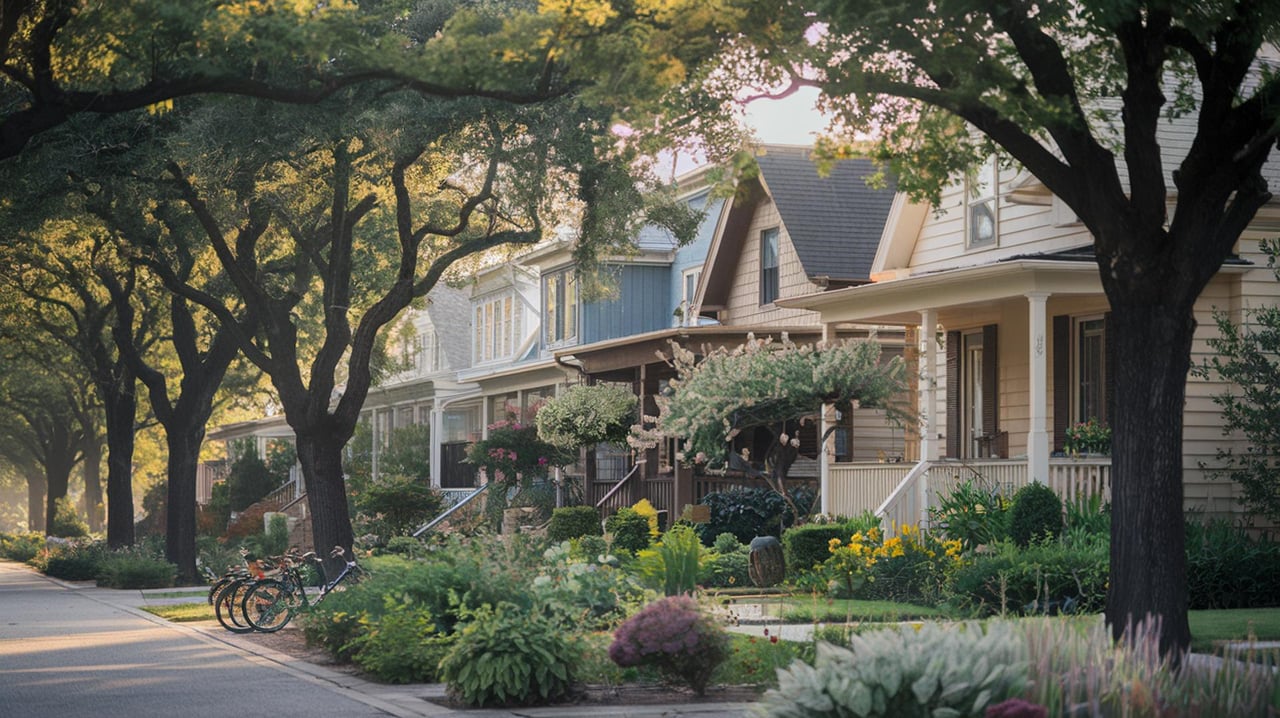
Even with larger homesites and more privacy, estate living here does not have to feel isolated. Dripping Springs still has a community rhythm that brings people together in a way that feels distinctly local.
A good example is the Dripping Springs Farmers Market at Ranch Park. The city describes it as a year-round Wednesday market and a community gathering place tied to local producers. For you, that means estate living here can include both private space and regular, low-key ways to stay connected to the local culture.
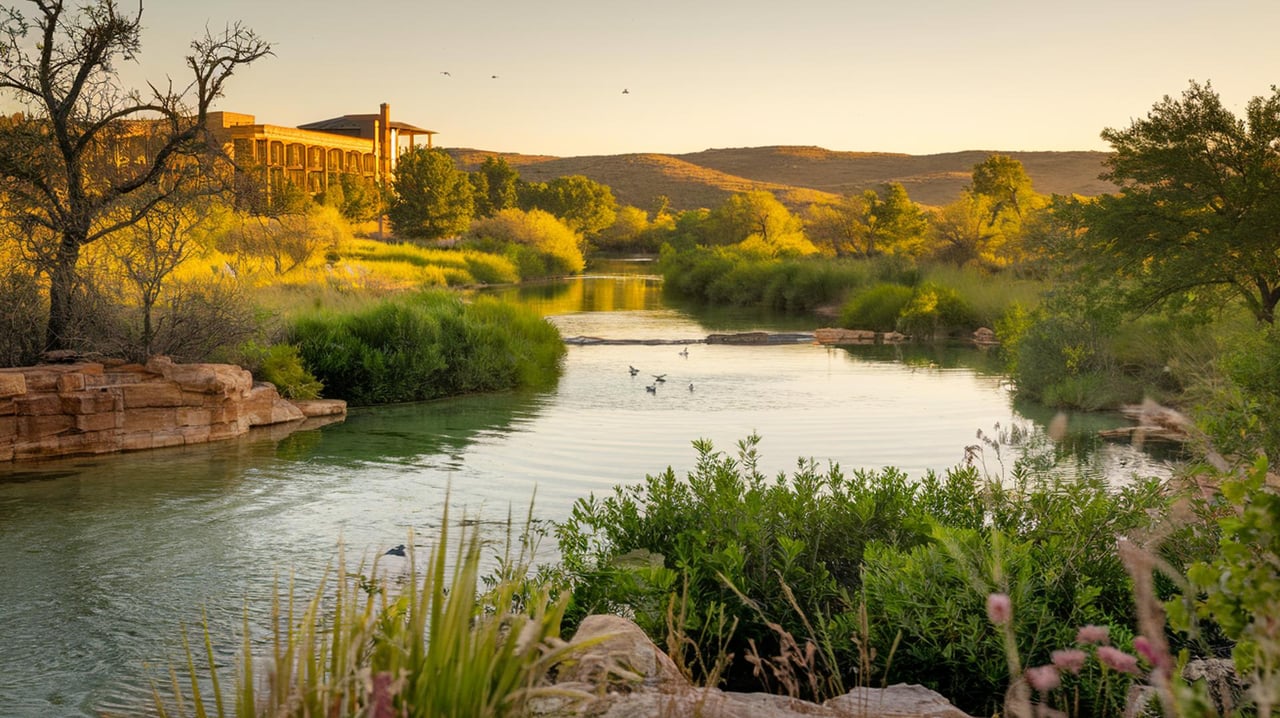
The broader identity of the area also comes through in its ranching roots, rock-bottomed streams, and abundant wildlife. The city’s night-sky program adds another layer to that experience. Darker skies and quieter surroundings are not just selling points. They are part of what ownership can genuinely feel like when you live on more land.
The Practical Side of Owning Acreage
The romance of Hill Country estate living is real, but so is the responsibility. If you are moving from a smaller-lot neighborhood, one of the biggest adjustments is that larger properties usually come with more systems to manage.
Water is one of the first things to verify. The City of Dripping Springs announced Stage 2 mandatory watering restrictions for city water customers beginning April 1, 2026, limiting irrigation to once per week. The city also notes that those rules do not apply to Dripping Springs Water Supply Corporation customers, which is a reminder that utility service is not uniform across the area.
That means you should never assume a property has the same provider or the same rules as the one down the road. On an estate property, those differences can affect landscaping plans, maintenance routines, and long-term expectations for outdoor living.
Septic, Drainage, and Property Upkeep
Many larger properties in suburban and rural Texas rely on on-site sewage facilities, commonly called septic systems. According to TCEQ, septic systems require a site evaluation before installation or major work and should typically be pumped every three to five years.
For you as a buyer, that means acreage ownership often involves more attention to infrastructure than a conventional neighborhood home. Septic upkeep, drainage patterns, irrigation planning, and landscape management can all play a larger role in how the property functions over time.
This does not make estate ownership harder in a bad way. It simply means that luxury in Dripping Springs often comes with stewardship. The payoff is space, privacy, and a stronger connection to the land, but you want to go in with a clear picture of what that really involves.
Fire Planning Matters on Larger Lots
If you own more land in the Hill Country, fire awareness becomes part of responsible ownership. Hays County notes that when a burn ban is in effect, outdoor burning is prohibited, and the county fire marshal provides wildfire-preparedness and emergency guidance for the unincorporated county.
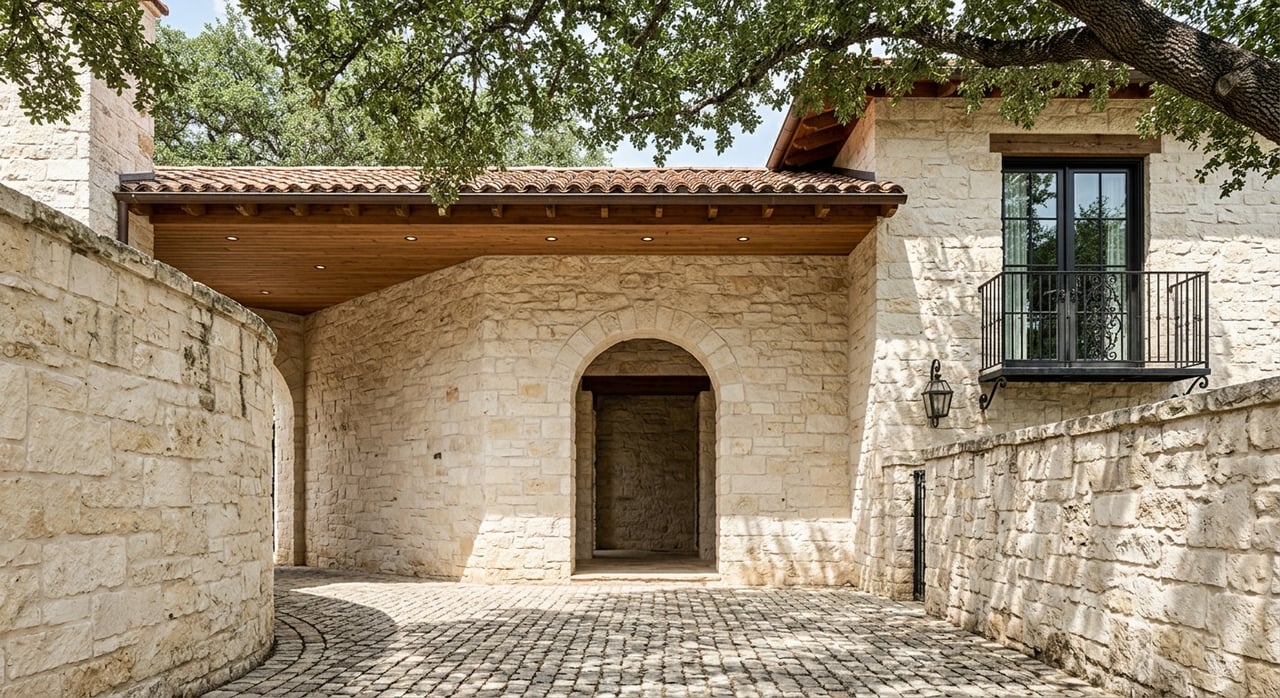
On a practical level, that can make brush management and fire planning part of your regular property care. This is especially important if your estate includes natural areas, longer driveways, or wide setbacks from neighboring homes.
For many buyers, this is less a drawback than a reality check. The same natural setting that gives Dripping Springs its beauty also calls for a more hands-on approach to land management.
How Dripping Springs Compares Nearby
If you are choosing between west-Austin lifestyle markets, Dripping Springs stands apart for its land-forward feel. In March 2026, Redfin showed a median sale price of $542,500 in Dripping Springs, compared with $677,500 in Lakeway and about $1.0 million in Bee Cave.
Those citywide numbers are not estate-specific, but they are still useful. They suggest that Dripping Springs is generally the more land-oriented and lower-priced option on a typical-sale basis, while nearby markets often lean more heavily into compact amenities or higher-density luxury offerings.
The lifestyle difference is just as important as the pricing. Lakeway describes itself as a resort community with golf courses, tennis courts, marinas, a private airport, a hotel and spa, a long lake, parkland, and trails. Bee Cave emphasizes its central location along major roads, plus a strong retail, dining, and events scene.
Dripping Springs, by contrast, is the choice that more strongly speaks to acreage, privacy, and Hill Country character. If your idea of luxury means views, land, and a quieter atmosphere, that distinction matters.
Premium Pockets Within Dripping Springs
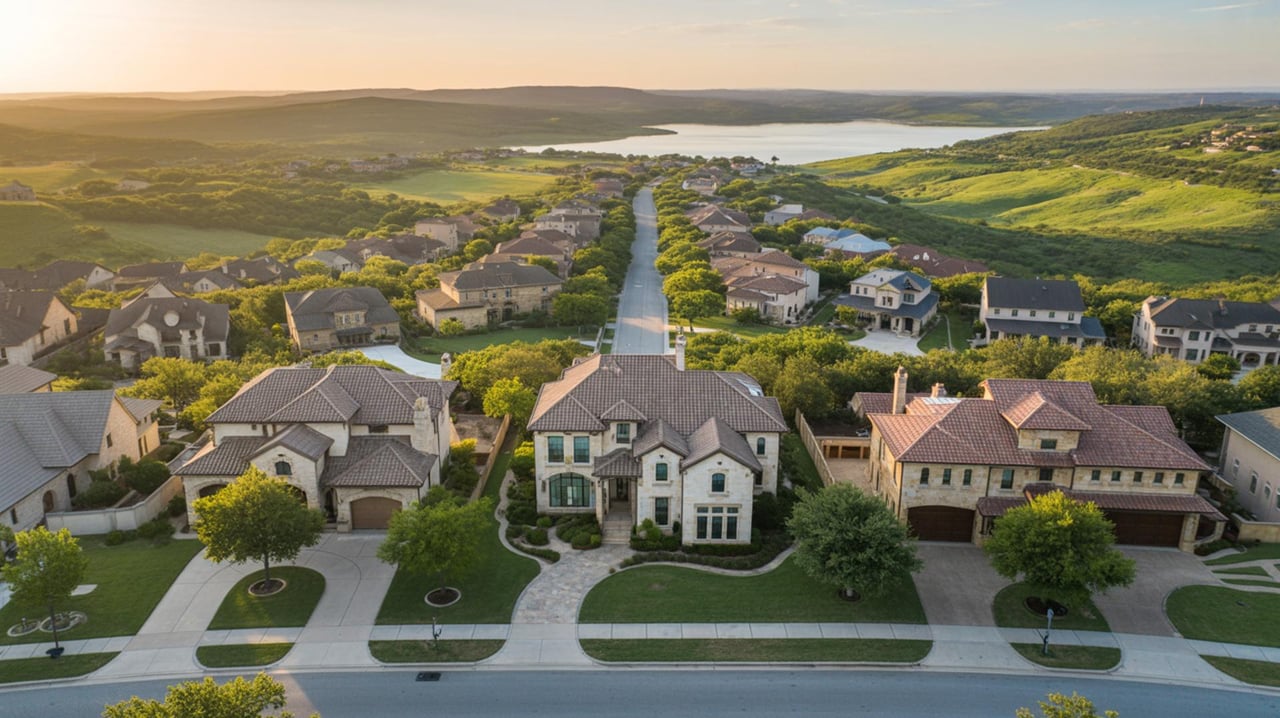
Not every luxury option in Dripping Springs is a sprawling rural estate. There are also premium pockets within the market that sit above the citywide median and can appeal to buyers who want a higher-end home with a somewhat more structured neighborhood setting.
In March 2026, Redfin showed Belterra at a median sale price of $660,000 and Sunset Canyon at $750,000. That context is helpful because it shows there is a premium tier within Dripping Springs even before you get into true acreage-estate territory.
If you are exploring the market, this creates a wider range of choices. You may decide you want a large custom home with some room around you, or you may want a more expansive tract where the land itself is a central part of the value.
Who Usually Loves This Lifestyle
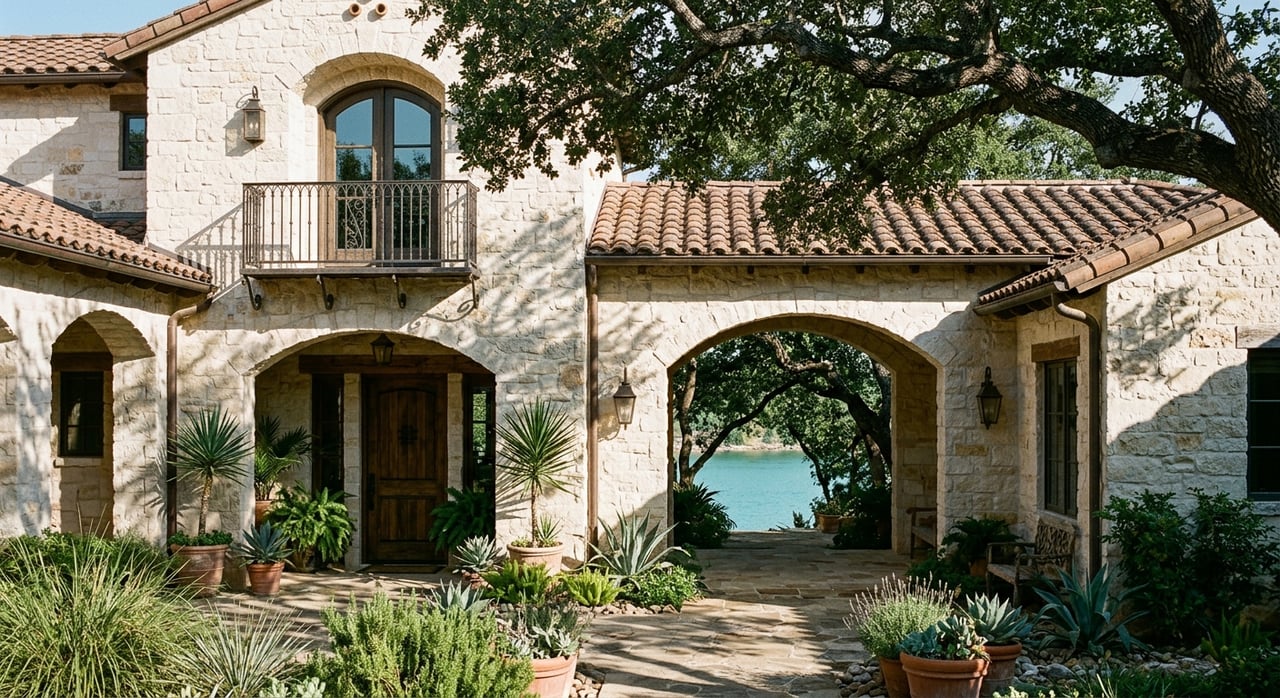
Hill Country estate living in Dripping Springs tends to fit buyers who value privacy, scenery, and a little separation from the pace of the city. If you want your home to feel like a retreat, this market can be compelling.
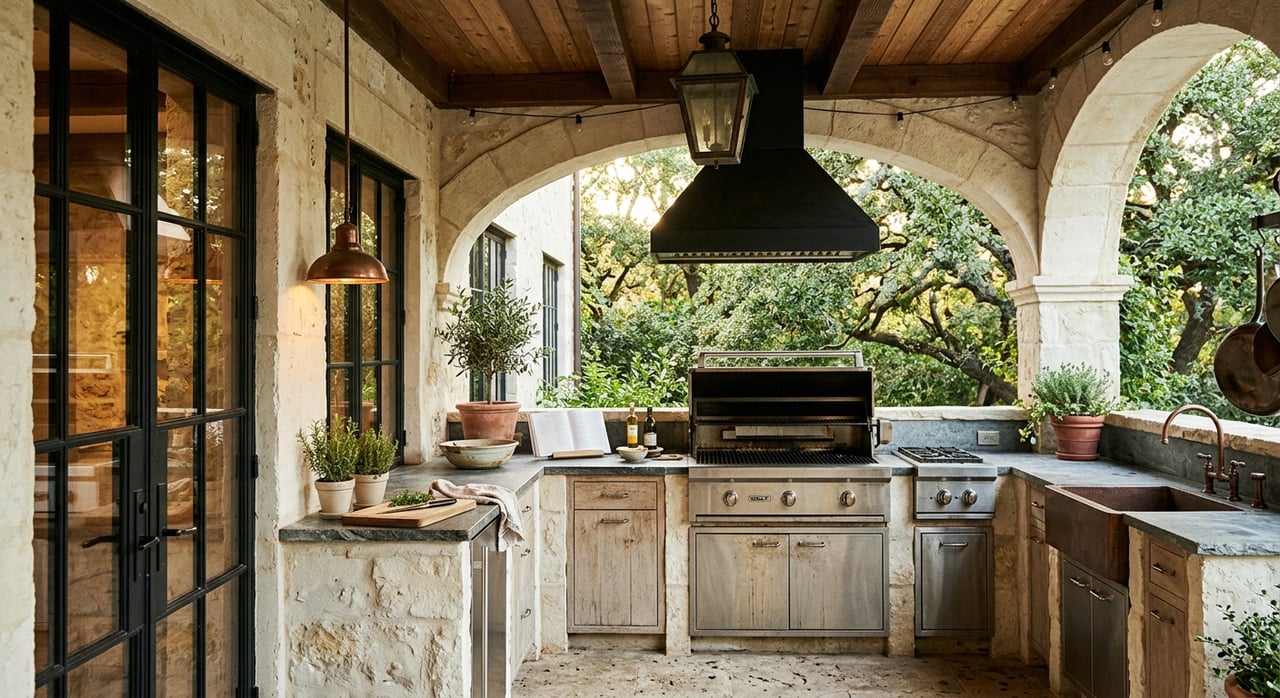
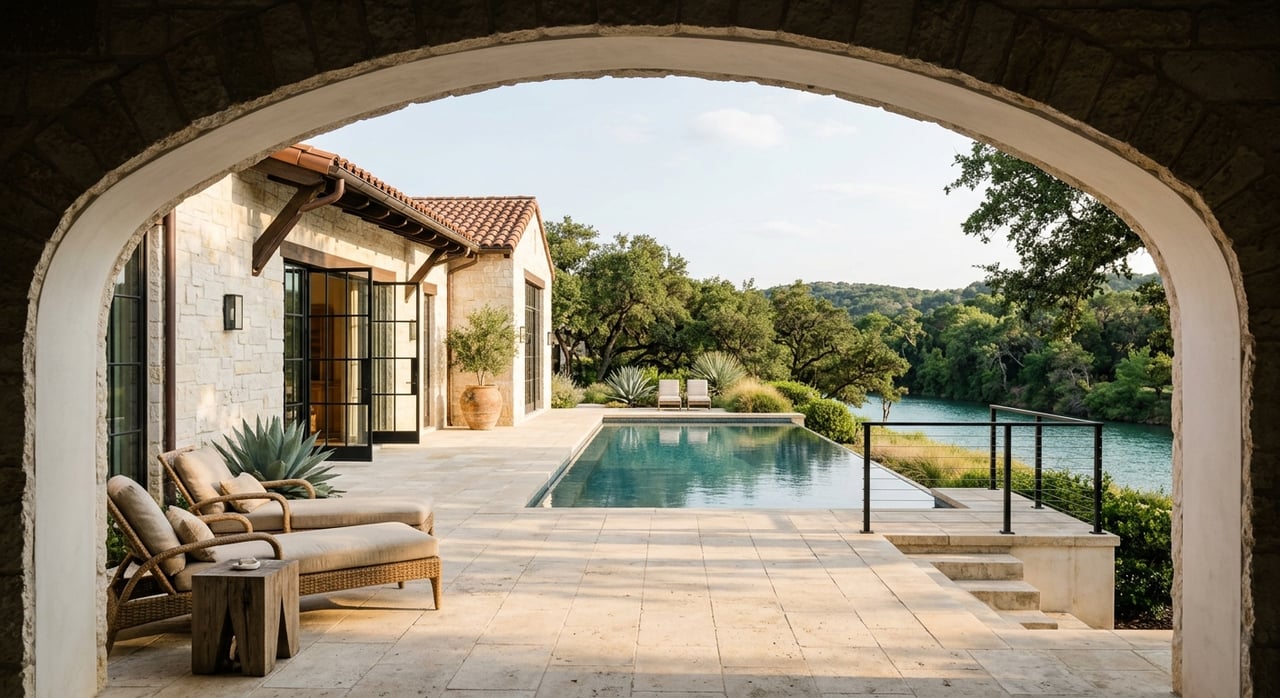
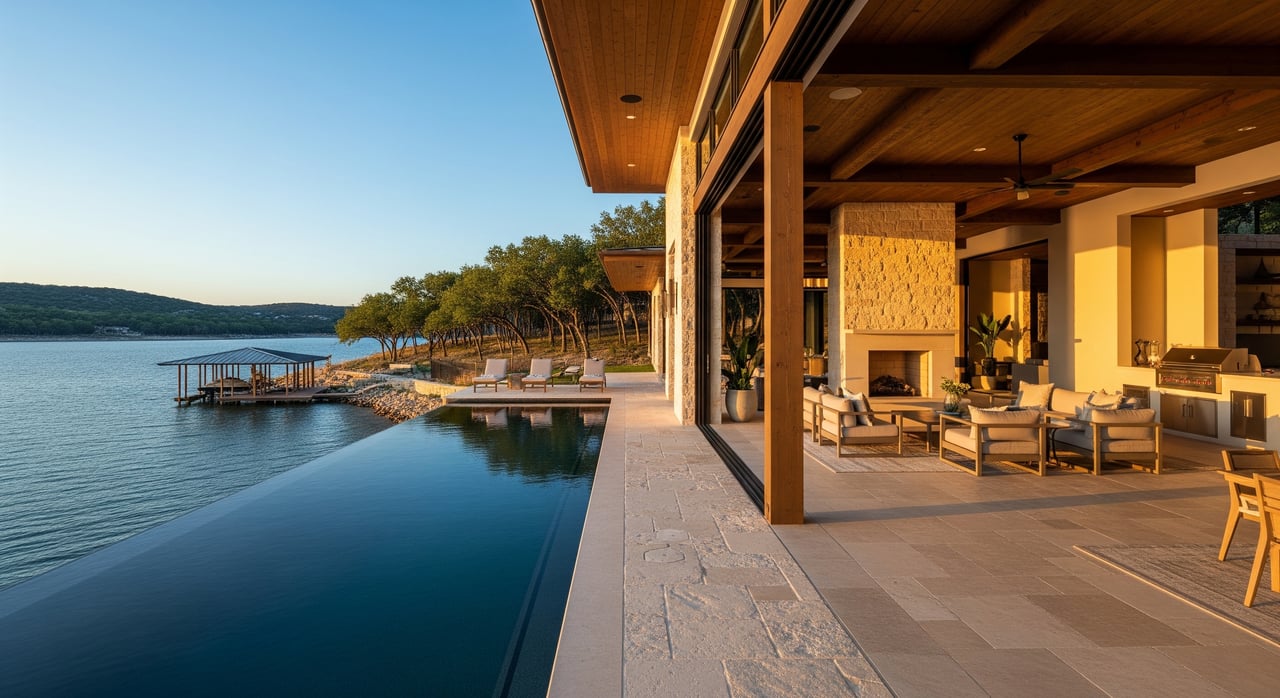
It can also be a strong fit if you enjoy hosting, spending time outdoors, or simply having room for a more relaxed daily routine. The setting naturally supports evenings on the patio, weekends exploring parks and preserves, and a lifestyle that feels more grounded in place.
At the same time, the best buyers for this lifestyle are realistic buyers. They understand that more land often means more maintenance, more due diligence on utilities, and more care around systems like irrigation and septic.
What to Think Through Before You Buy
Before purchasing a Hill Country estate in Dripping Springs, it helps to focus on a few practical questions early:
- Who is the water provider for the specific property?
- Are there watering restrictions that could affect landscaping plans?
- Does the home use a septic system, and when was it last serviced?
- What kind of drainage, brush management, or wildfire planning might the land require?
- Do you want fully private acreage, or would a premium neighborhood setting fit your lifestyle better?
These are the kinds of details that shape your ownership experience long after closing. When you get them right upfront, you are much more likely to end up with a property that matches both your vision and your day-to-day expectations.
Owning a Hill Country estate in Dripping Springs can be a rare blend of luxury and land, with room to breathe, a strong sense of place, and easy access to the broader west-Austin area. If you want a property that delivers privacy, views, and a more grounded pace of life, Dripping Springs offers a lifestyle that is hard to replicate in more built-out markets. If you are ready to explore your options, Steve Dedear can help you evaluate the right fit with local insight and a concierge-level approach.
FAQs
How far is Dripping Springs from Austin?
- The City of Dripping Springs says it is about 25 minutes west of Austin.
What is there to do near a Dripping Springs estate?
- Popular options include parks, live music, breweries, wineries, the Dripping Springs Farmers Market, Pedernales Falls State Park, Hamilton Pool Preserve, and Westcave Outdoor Discovery Center.
What are the tradeoffs of owning acreage in Dripping Springs?
- Common considerations include water-provider differences, irrigation restrictions for some properties, septic-system upkeep, and brush or fire planning on larger lots.
Are all Dripping Springs properties on city water?
- No. The city notes that utility service is not uniform across all local customers, so you should verify the specific water provider for any property you are considering.
What makes Dripping Springs different from Lakeway or Bee Cave?
- Dripping Springs generally offers a more land-oriented Hill Country setting with more privacy and open space, while Lakeway and Bee Cave are more amenity-dense and compact by comparison.