Wondering whether a Spicewood waterfront home or a hilltop property is the better fit for your life? That choice sounds simple at first, but in this part of the Lake Travis market, the setting you choose can shape everything from daily use and maintenance to permits and resale appeal. If you are weighing views, lake access, upkeep, and long-term flexibility, this guide will help you sort through the real tradeoffs. Let’s dive in.
Why setting matters in Spicewood
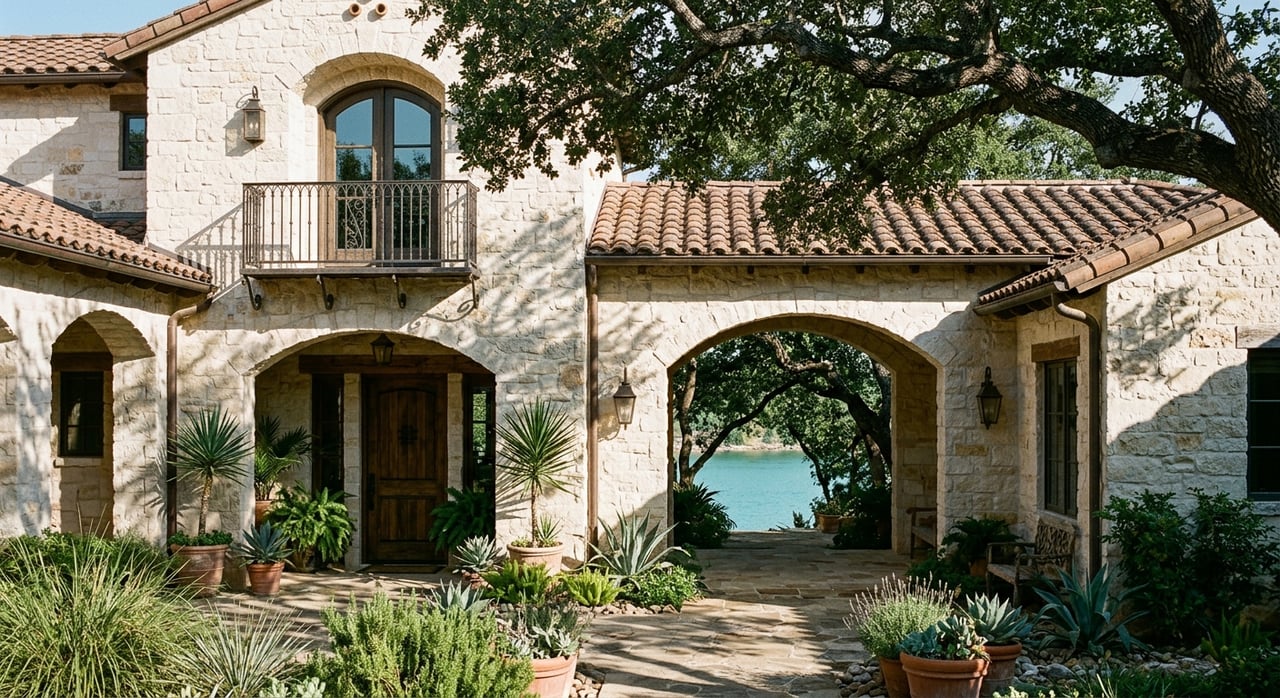
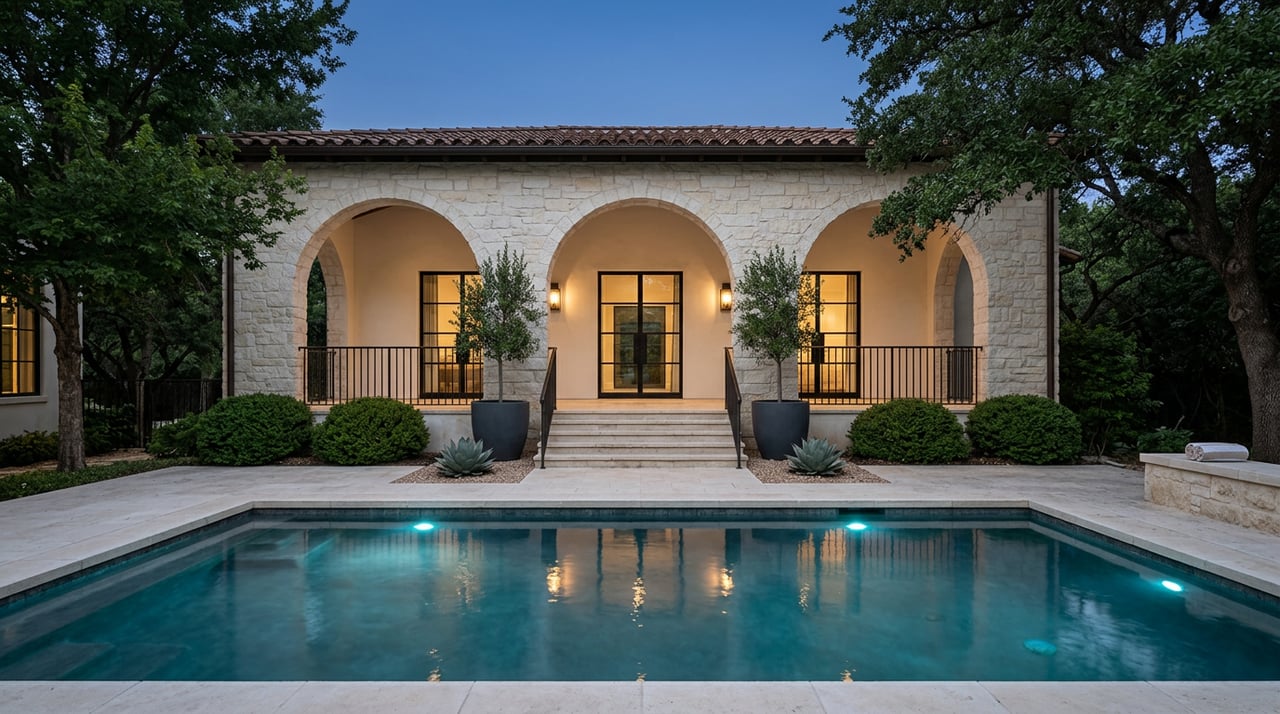
In Spicewood, you are not just choosing a house. You are choosing how you want to live with Lake Travis and the Hill Country around it.
Spicewood is best understood as a Hill Country lake market, not one uniform subdivision. It is also an area where mailing address and county jurisdiction are not always the same thing, so buyers should verify whether a property falls under Travis County or another jurisdiction before assuming the same rules apply.
That matters because the right home for you is not always the one with the most dramatic photos. The better choice is usually the one that matches how often you will use the lake, how much maintenance you want to manage, and what kind of ownership experience you want over time.
Choose waterfront for active lake use
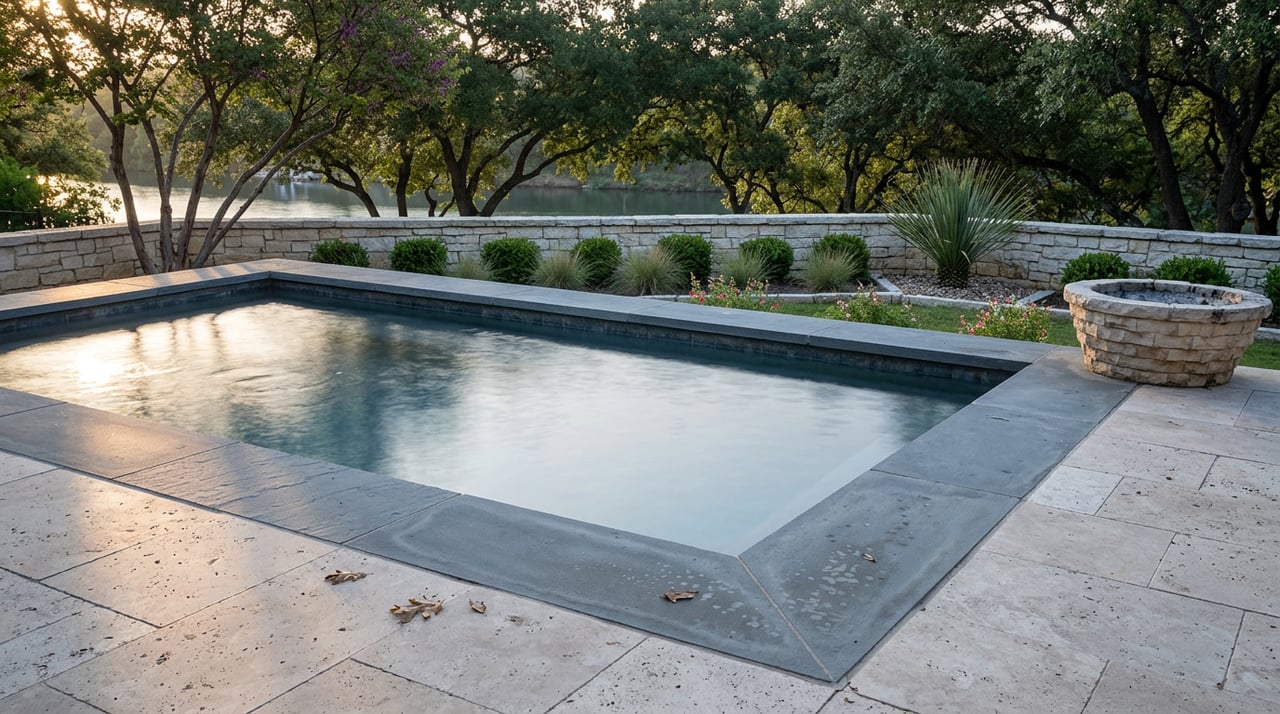
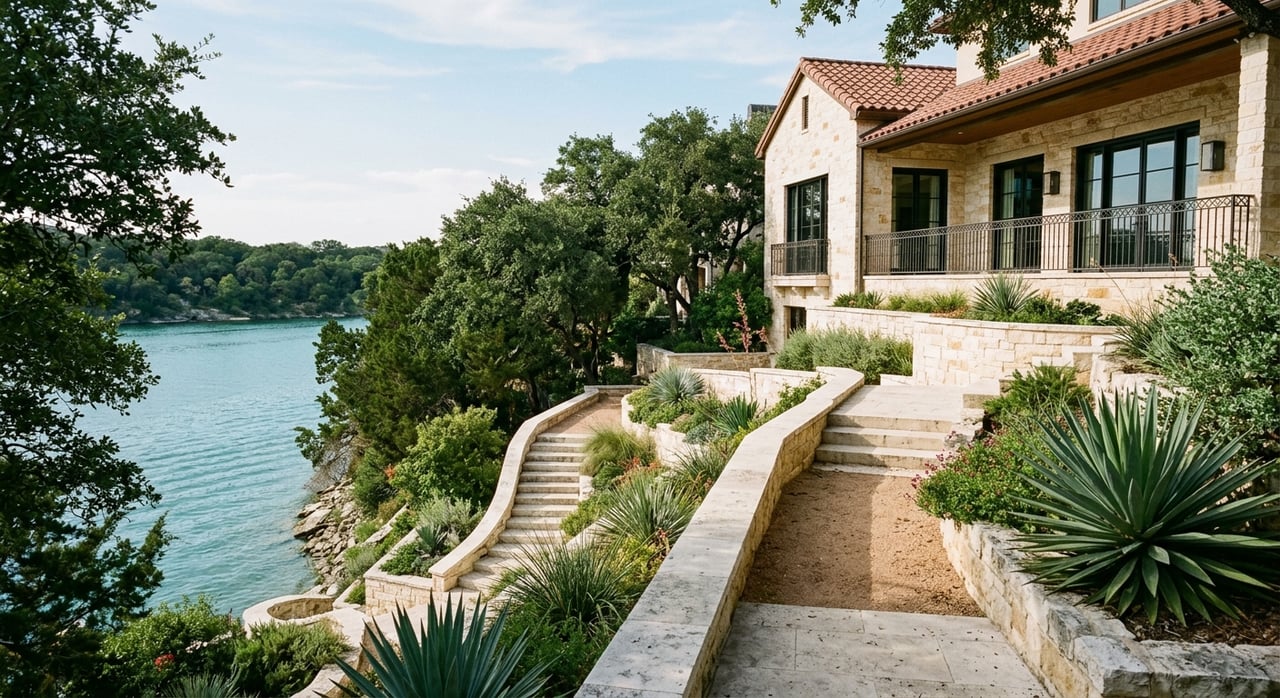
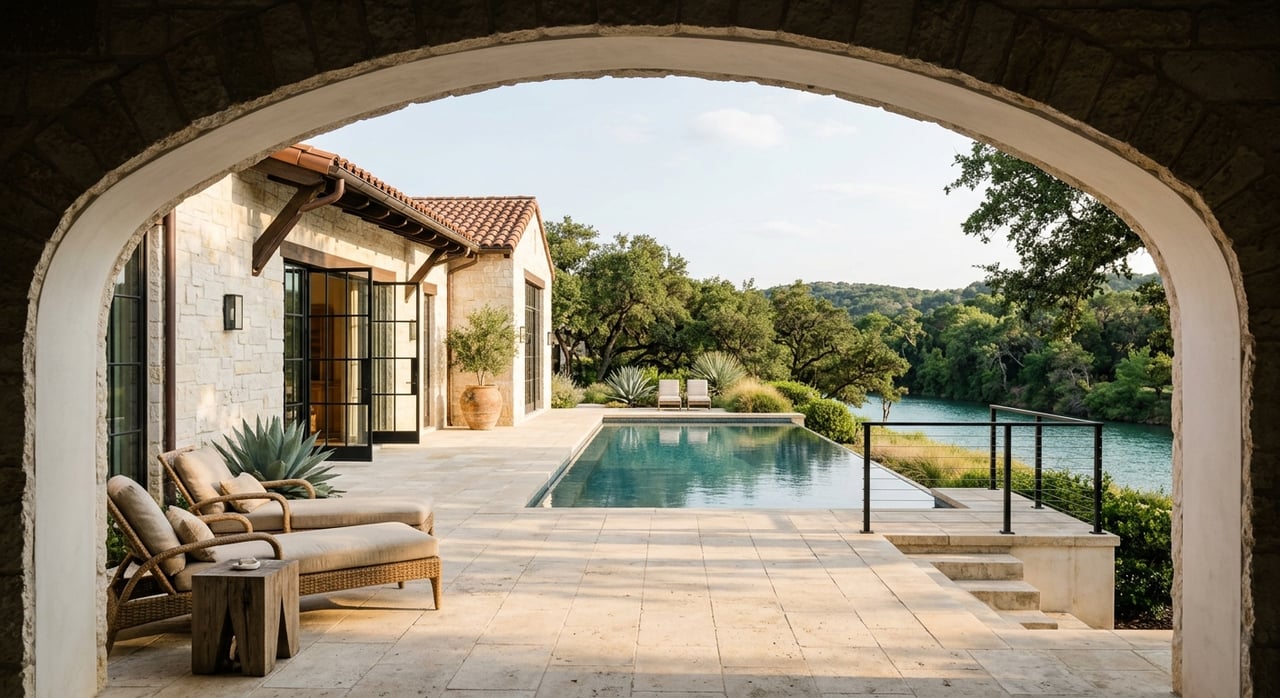
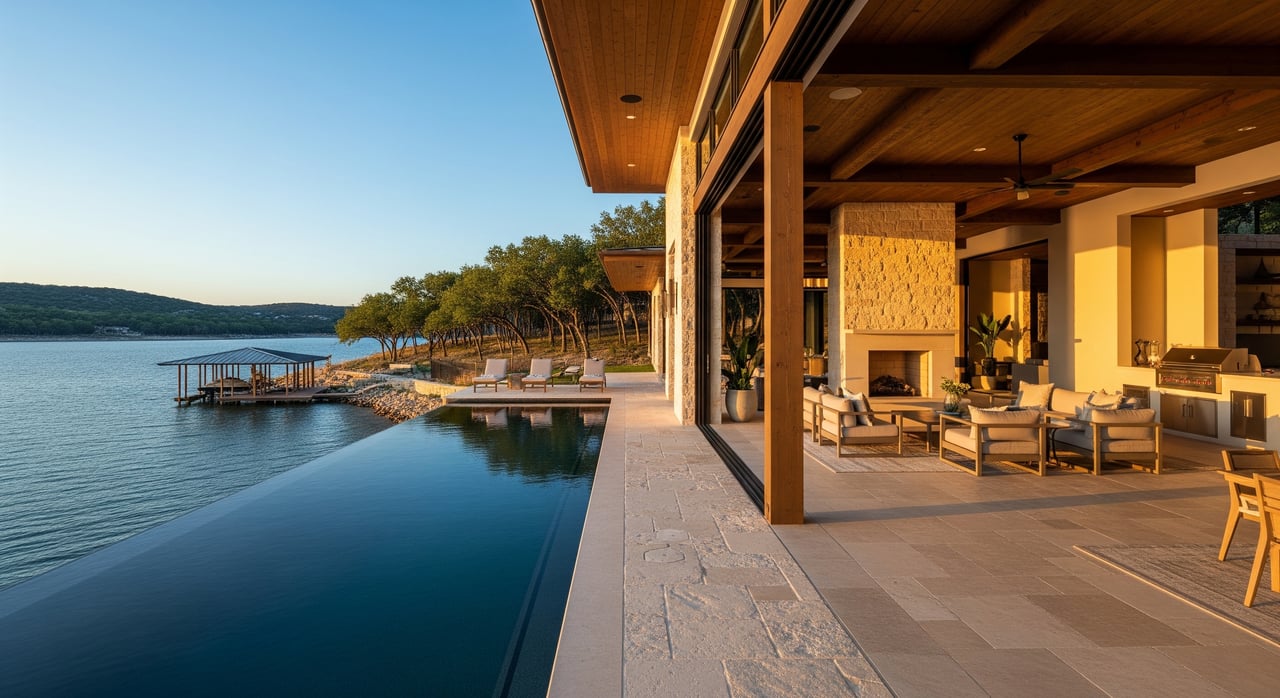
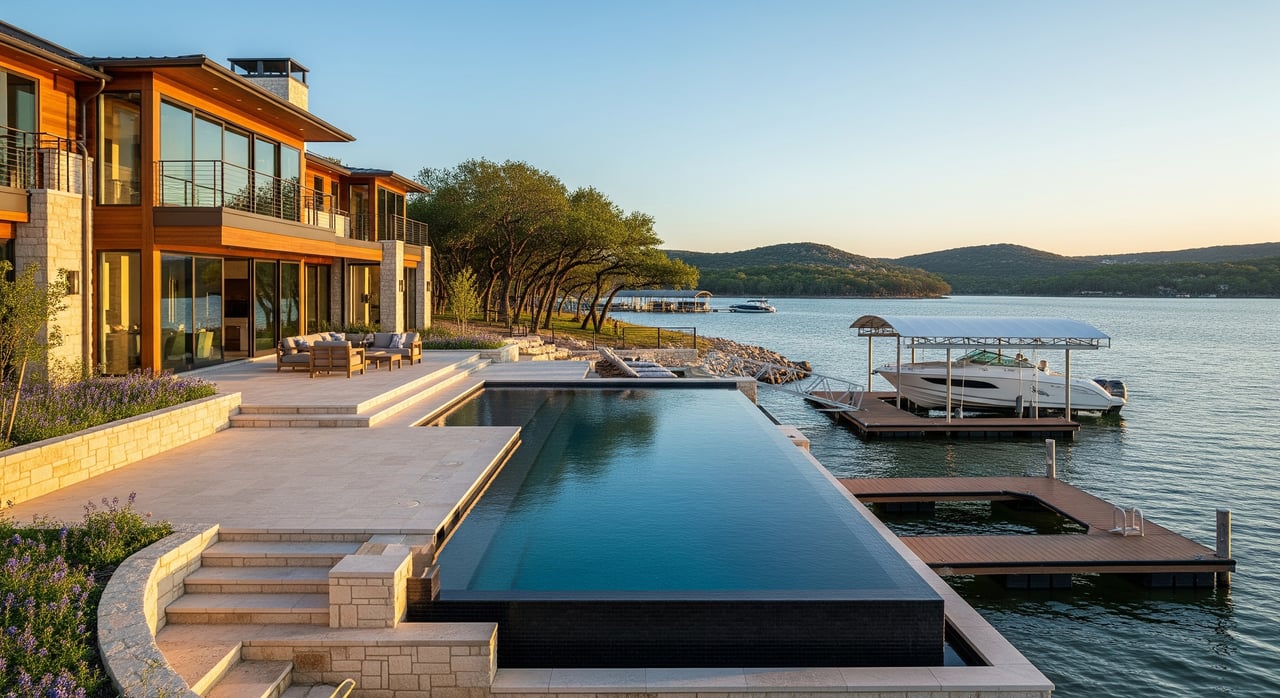
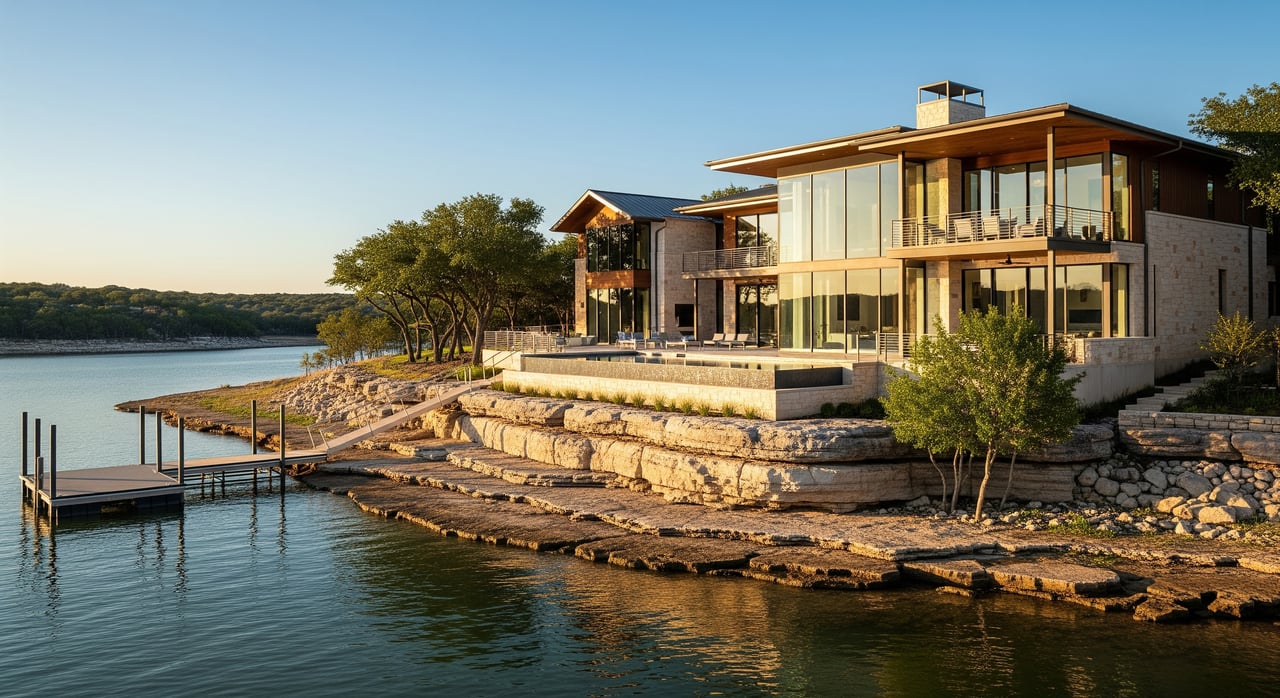
If your ideal weekend includes launching the boat, paddleboarding from your backyard, or spending time on the dock, waterfront may be the clear winner. In Spicewood, waterfront living is about direct access and a true lake-oriented lifestyle.
That appeal is easy to understand around Lake Travis. Pace Bend Park alone offers more than nine miles of shoreline, 20 coves and inlets, and two boat ramps, which speaks to how central lake recreation is in this area.
Still, waterfront value is not just about being near the water. The practical benefit depends on shoreline design, usable access, and how the property functions when lake conditions change.
Lake Travis does not stay at one level
Lake Travis is an active reservoir, not a constant-level lake. Water levels can rise and fall during droughts, storms, and flood operations, which means your waterfront experience may look different from season to season.
That is an important reality for buyers. Even when the lake is above full pool, some boat ramps in Travis County may close because they are underwater or affected by floodgate operations.
So when you evaluate a waterfront home, do not stop at the map pin. Look at how the lot meets the shoreline, how access works in changing conditions, and whether the home still supports the lake lifestyle you want when water levels shift.
A waterfront address does not guarantee dock rights
One of the biggest misconceptions in the Lake Travis market is that owning waterfront automatically means you can add a dock. In reality, most shoreline around the Highland Lakes is privately owned, and lakefront ownership alone does not automatically create dock rights.
Before you buy, you need to verify submerged-land ownership or confirm that the necessary permission exists. Any dock must also meet LCRA standards.
This is one of the most important due diligence steps for a Spicewood waterfront purchase. If dock access is central to your lifestyle, confirm the details early rather than treating it as an assumption.
Waterfront ownership comes with ongoing upkeep
Waterfront homes often deliver the most direct lifestyle payoff, but they also come with the most moving parts. Floating docks are affected by wind, wakes, current, and changing lake levels.
For many buyers, especially second-home owners, the question is not just whether the property has a dock. It is also who will maintain it when you are not in town.
If you want a low-friction ownership experience, factor in dock maintenance, shoreline wear, and service coordination from the start. That does not make waterfront less attractive, but it does make it more operational.
Choose hilltop for views and simpler ownership
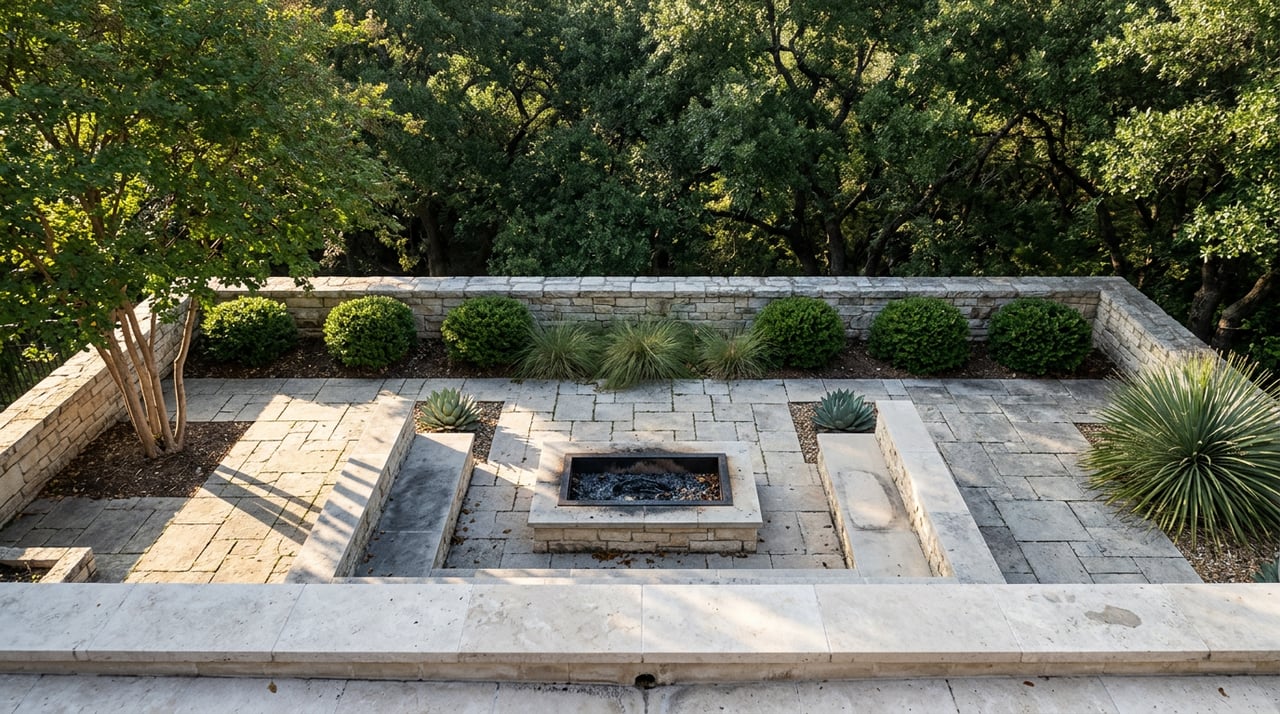
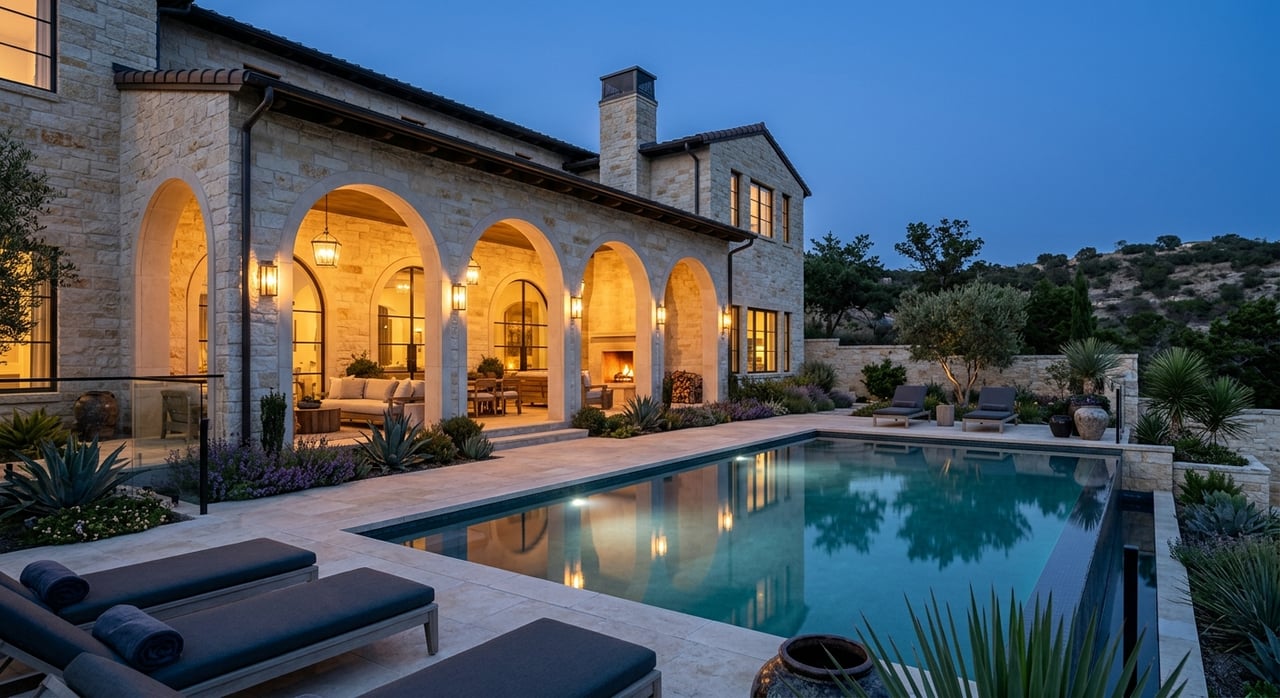
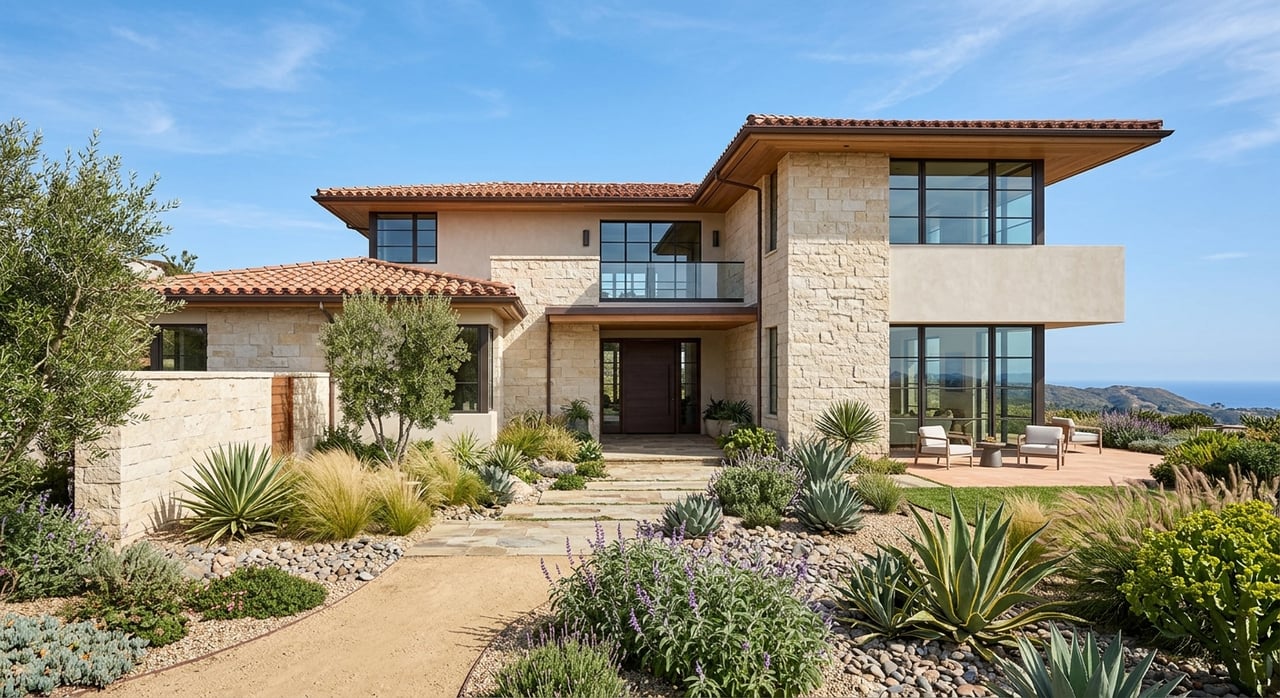
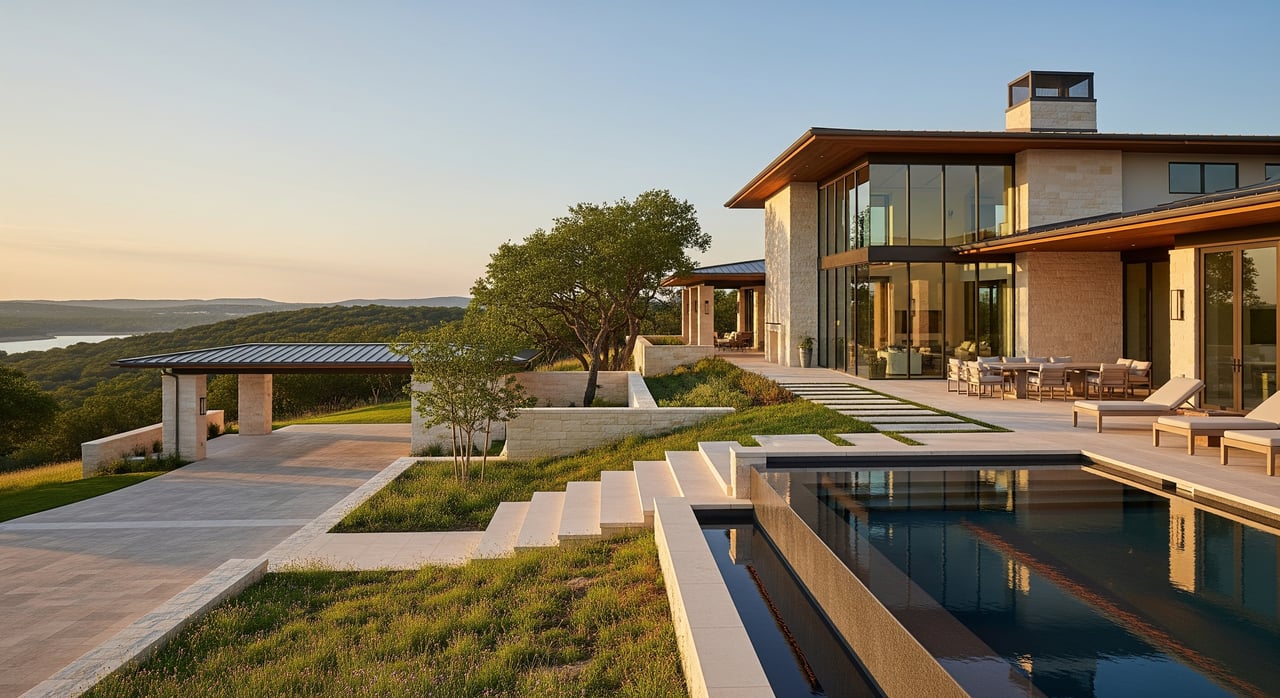
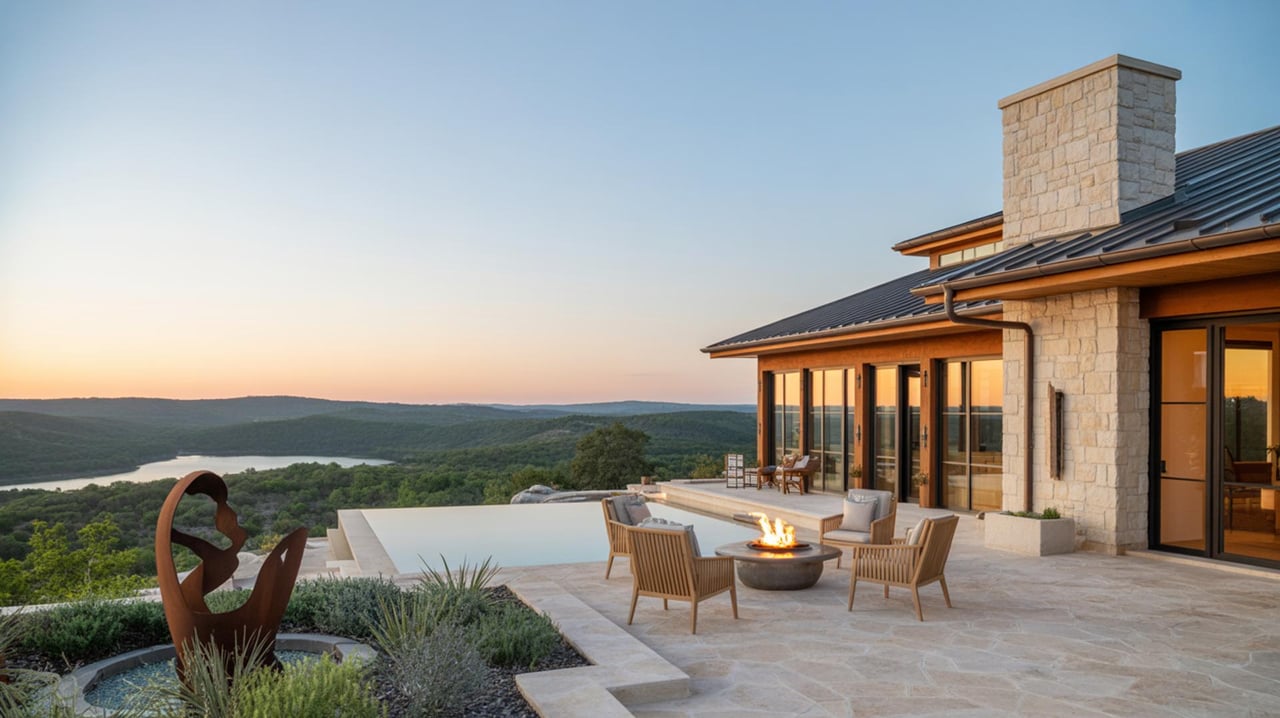
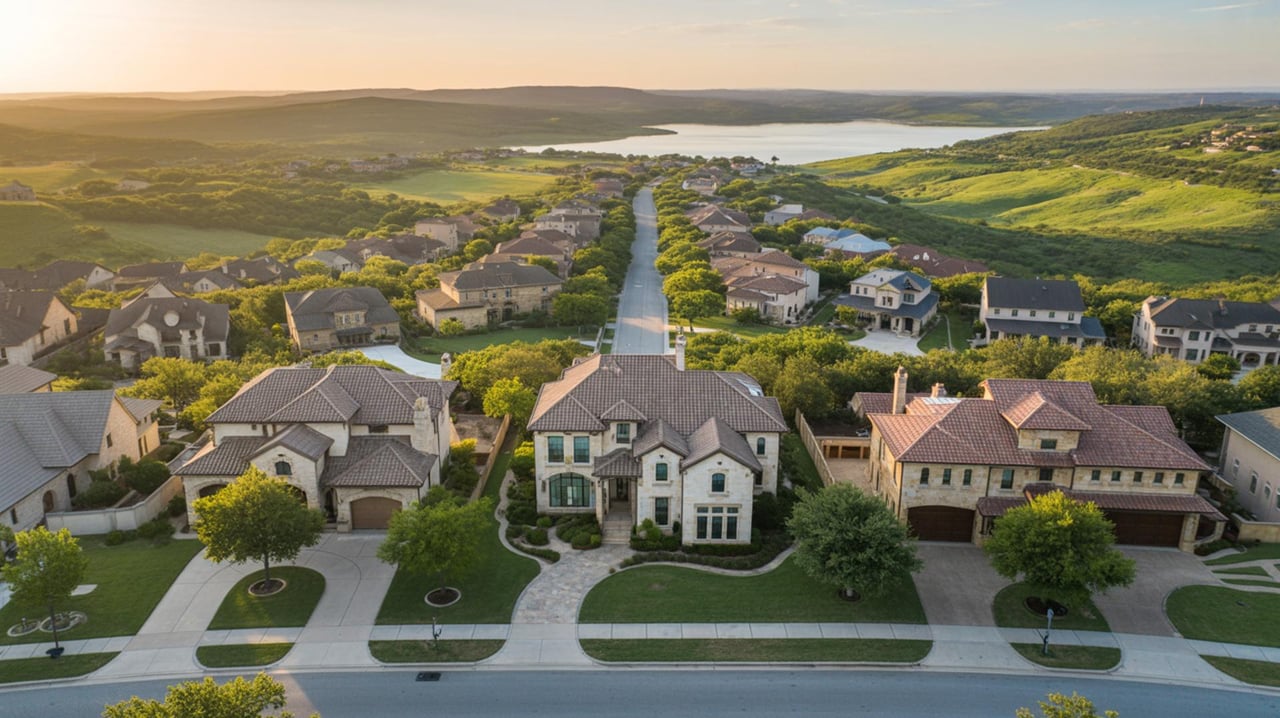
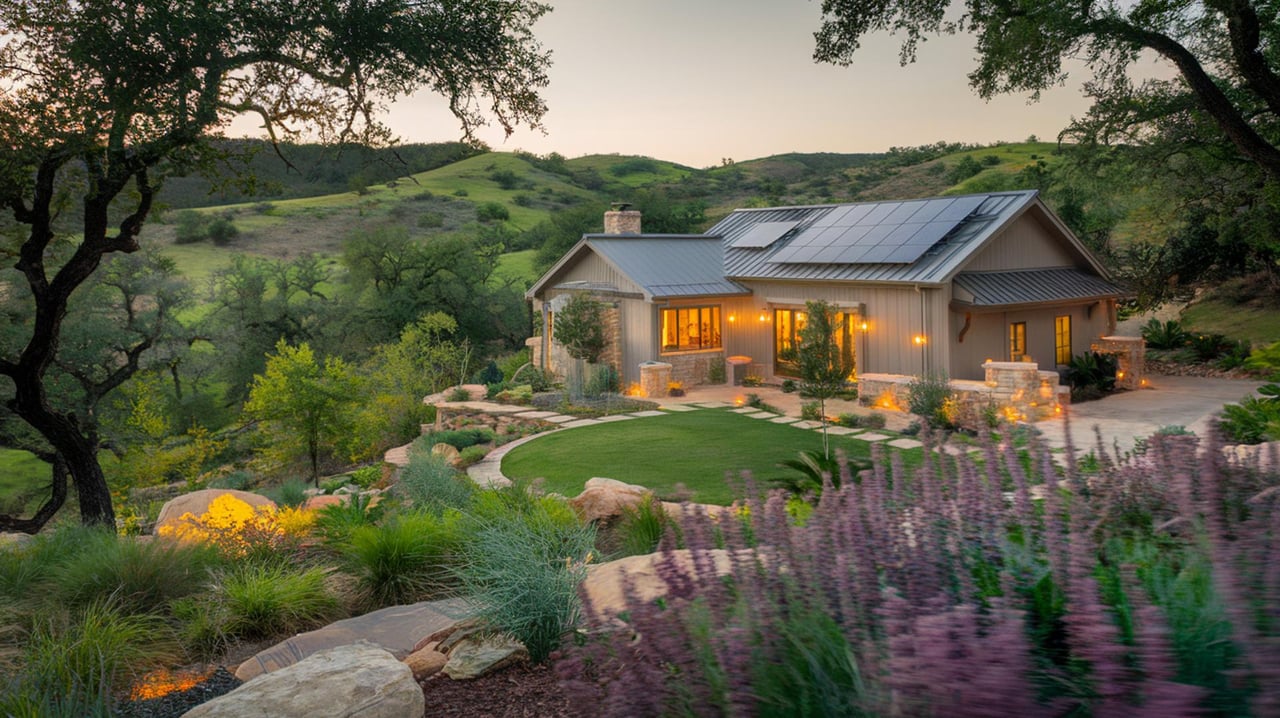
If you care more about long views, privacy, and easier long-distance ownership, a hilltop setting may be the smarter fit. In Spicewood, elevated homes can offer some of the area’s most striking Lake Travis and Hill Country outlooks, even without direct water frontage.
That appeal is rooted in the land itself. Travis County materials describing the western Lake Travis edge note the area's high limestone cliffs and strong views, which helps explain why non-waterfront elevated lots can still draw serious interest.
For many buyers, this setting offers a useful trade. You give up immediate water access, but you often reduce the dock-related responsibilities that come with true waterfront ownership.
Hilltop homes shift the maintenance burden
A hilltop home is not maintenance-free. It just tends to shift the maintenance focus from shoreline infrastructure to land, slope, and drainage.
In Travis County, land disturbance on slopes of 10 percent or greater, cut or fill over four feet, and work near waterways can require special attention during review. That means driveway design, retaining walls, drainage control, tree protection, and revegetation can all matter more on an elevated site.
This is especially important if you are buying a property with plans to remodel, expand, or build. A beautiful view lot can come with more site-work complexity than buyers expect.
Utilities still need careful review
Some buyers assume a hilltop property is automatically simpler across the board. That is not always true.
You should still verify water and wastewater infrastructure early in the process. Travis County’s residential OSSF permit process requires buyers to verify jurisdiction, gather the legal description, review sewer distance, and submit a site plan, and LCRA regulates OSSFs within a 2,000-foot zone around Lake Travis.
In practical terms, that means septic and permitting questions should be addressed before closing, not after. This is true whether you are buying a primary residence, second home, or future build site.
How to decide which fit is better
The right choice usually comes down to how you plan to use the property, not which category sounds more prestigious. In a market like Spicewood, setting should support your lifestyle first.
Waterfront is often the better fit if you want regular lake use and are comfortable managing dock, shoreline, and water-level variability. Hilltop is often the better fit if you value views, privacy, and a more streamlined ownership experience.
Here is a simple way to think about it:
- Choose waterfront if you will use the lake often and want the closest possible connection to boating, swimming, or paddle sports.
- Choose hilltop if you care more about scenery, privacy, and less dock-related upkeep.
- Choose either setting carefully if you are a second-home buyer who will need local help managing maintenance.
What resale may look like
Spicewood is a relatively expensive and thinly traded market, and pricing can vary widely based on the specific property. Public data sources show different median prices and timelines, which reinforces one key point: in Spicewood, property-specific details matter more than broad averages.
In a softer, more selective market with higher inventory across the broader Austin area, site quality tends to matter even more. Waterfront homes can be highly compelling, but they are also more specialized because value may depend on dockability, shoreline condition, and lake stage.
Hilltop homes may appeal to a broader set of buyers when they offer strong views with fewer operational demands. If resale flexibility matters to you, it is smart to think about how many future buyers will want the same level of lake involvement that you do.
A practical checklist before you buy
No matter which setting you prefer, due diligence matters in Spicewood. The goal is to understand not just the home, but how the site actually works.
Use this checklist as you narrow your options:
- Verify whether the property is in Travis County or another jurisdiction.
- Confirm dock rights and dock compliance if the home is waterfront.
- Review how lake levels may affect boat access and shoreline usability.
- Check septic or wastewater requirements early.
- Evaluate drainage, slope, retaining walls, and driveway design on hilltop lots.
- Ask who will handle ongoing maintenance if the home will be a second residence.
- Review road access and property approach, especially on more elevated sites.
Making the right Spicewood choice
The best setting in Spicewood is not universal. It depends on whether you want your home to function more like a launch point for lake activity or more like a private Hill Country retreat with sweeping views.
If you will truly use the water often, a well-vetted waterfront property can be hard to beat. If you want easier ownership with strong visual appeal, a hilltop home may deliver the better balance.
Either way, buying well in Spicewood means looking past the headline feature and understanding the site, the rules, and the day-to-day reality of ownership. If you want local guidance on weighing waterfront versus hilltop opportunities around Lake Travis, connect with Steve Dedear for a more tailored conversation.
FAQs
Is Spicewood in Travis County or Burnet County?
- Spicewood can involve more than one county or jurisdiction, so you should verify the parcel’s actual county and permit authority rather than relying only on the mailing address.
Can a Spicewood waterfront buyer automatically build a dock?
- No. A waterfront address does not automatically grant dock rights, so you need to verify submerged-land ownership or required permission and confirm compliance with LCRA standards.
Do Lake Travis water levels affect waterfront usability in Spicewood?
- Yes. Lake Travis is an active reservoir, so changing water levels can affect shoreline access, dock function, and even whether some boat ramps are open.
Are Spicewood hilltop homes lower maintenance than waterfront homes?
- They can be simpler in terms of dock and shoreline upkeep, but hilltop homes may still require attention to slopes, drainage, retaining walls, and site work.
Which Spicewood setting may be easier to resell?
- In general, the setting with a broader buyer pool and lower operational burden may be easier to reposition in a softer market, but resale depends heavily on the individual property and site quality.